When you think Lexus, you probably picture quiet luxury not roaring engines or track-ready precision. But Lexus’s sports lineup flips that narrative. The RC F, LC 500, and IS 500 F Sport prove the brand can blend comfort and aggression, refinement and adrenaline. These machines are engineered for thrill-seekers who want power without sacrificing reliability, a rare balance that appeals to Nigerian drivers looking for exclusivity and excitement.
[wheelzar_review]
In Nigeria’s evolving car market, Lexus sports cars sit in a league of their own. Whether tearing down Lekki’s expressway or making a bold entrance in Abuja, these V8-powered icons deliver goosebumps with every rev. Below, we explore their design, performance, and what makes them irresistible to Nigeria’s new generation of speed lovers.
Lexus RC F (472 hp)
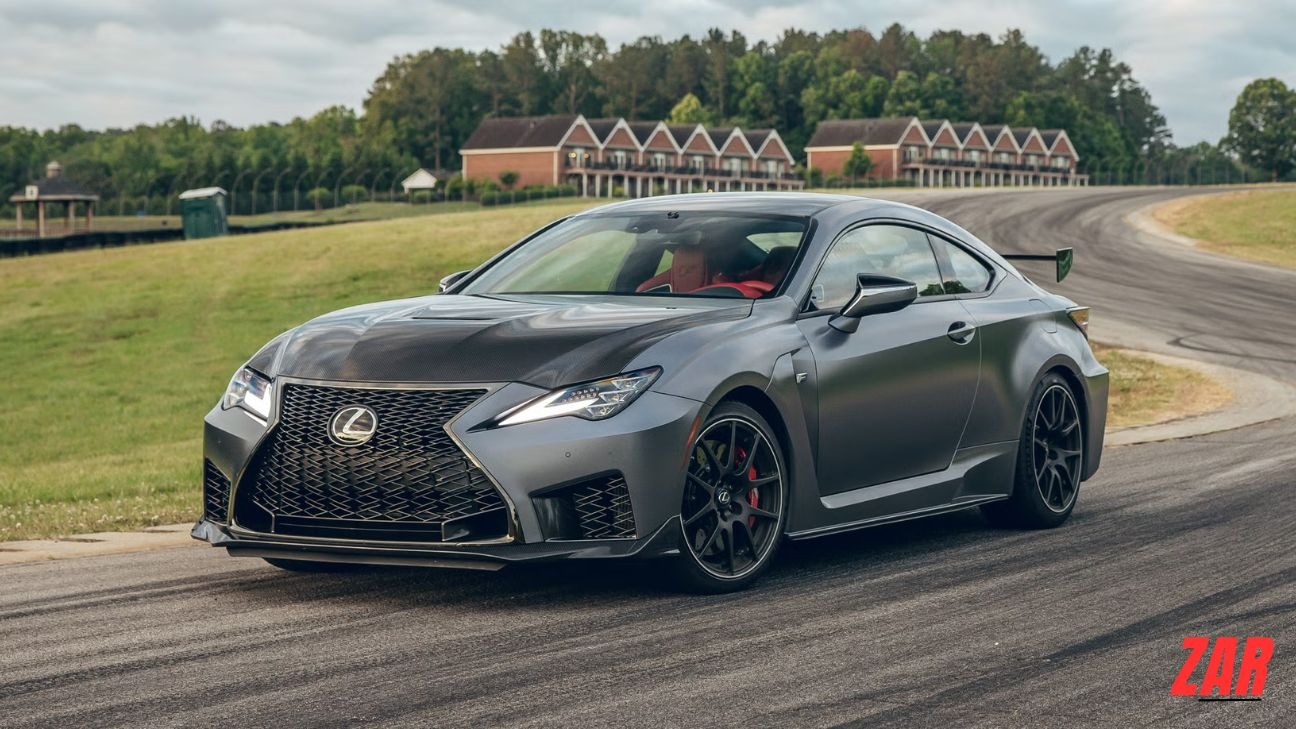
The Lexus RC F looks like it’s ready to pounce with a wide, low, and sculpted for aerodynamic efficiency. The signature spindle grille dominates the front, flanked by razor-sharp LED headlights and air intakes that hint at its racing DNA. Every detail screams aggression, from the carbon-fibre hood to the optional rear spoiler that deploys automatically at high speed. Whether finished in Ultrasonic Blue or Infrared Red, the RC F commands attention and respect.

Step inside, and the RC F feels like a cockpit. Deep bucket seats hug you through tight corners, while the digital LFA-inspired tachometer reminds you that this car means business. Under the hood, the naturally aspirated 5.0-litre V8 pushes 472 horsepower and 395 lb-ft of torque, launching it from 0–60 mph in 4.2 seconds. It’s rear-wheel-drive perfection, precise, loud, and addictively responsive. Prices in Nigeria start from ₦30 million for older imports and reach up to ₦100 million for newer, low-mileage models. This is a car built for thrill, for drivers who want every journey to feel like a statement.
Lexus LC 500 (471 hp V8)
The LC 500 is Lexus’s halo car an exotic grand tourer that blends concept-car looks with real-world muscle. Its long, low stance, wide hips, and sleek LED taillights create an unmistakable silhouette. Every angle feels sculpted by the wind, with active aerodynamics that enhance stability at speed. The combination of aluminium and carbon-fibre gives the LC 500 a rare mix of strength and elegance. The design feels more like a piece of modern art than a traditional car, turning heads anywhere from Victoria Island to Abuja city centre.

Inside, the LC 500 is an experience of craftsmanship and emotion. The cabin feels like a designer’s dream, hand-stitched leather, brushed metal accents, and Alcantara-wrapped panels that create a sense of precision luxury. The 5.0-litre naturally aspirated V8 produces 471 horsepower and 398 lb-ft of torque, paired with a 10-speed automatic that shifts seamlessly whether cruising or racing. It accelerates from 0–60 mph in 4.4 seconds, its exhaust note singing with every downshift. The LC 500 isn’t just about speed, it’s about feel. Every throttle input, every gear change, connects you directly to the car. In Nigeria, new LC 500 imports range from ₦200–230 million ($138,000–160,000), with clean used examples sitting between ₦130–180 million. It’s not common, but that’s the point the LC 500 is for those who want something beyond ordinary, something that turns everyday drives into theatre.
Lexus IS 500 F Sport Performance (472 hp V8)
The IS 500 F Sport Performance is the dark horse of Lexus’s lineup, a sleeper sedan that hides serious muscle under its sleek body. At first glance, it looks refined, but details like the vented hood, wider fenders, and quad exhausts hint at its aggression. The rear diffuser and 19-inch Enkei alloy wheels balance sophistication with menace. It’s the car that looks polite at work and wild after hours designed for those who want to blend business-class comfort with pure street credibility.

Inside, the IS 500 F Sport nails the balance between daily usability and sports intent. The interior features sport-bolstered leather seats, F Sport badging, and digital gauges inspired by the legendary LFA supercar. A Mark Levinson 17-speaker sound system transforms the cabin into an acoustic arena, while the 10.3-inch infotainment system ensures modern connectivity. But the real magic lies under the hood, a 5.0-litre V8 churning out 472 horsepower and 395 lb-ft of torque, paired with an 8-speed automatic transmission. It rockets from 0–60 mph in 4.4 seconds, delivering instant throttle response and a naturally aspirated growl you won’t find in most modern turbocharged rivals. Prices range from ₦60–70 million for used imports to ₦95 million for 2025 editions, making it the most accessible Lexus sports car for Nigerian enthusiasts.
Lexus IS 350 F Sport (311 hp V6)
The IS 350 F Sport sits just below the IS 500 in Lexus’s hierarchy but delivers an exciting balance of precision and accessibility. It features a 3.5-litre V6 producing 311 horsepower and 280 lb-ft of torque, paired with an 8-speed automatic and rear-wheel drive. It accelerates from 0–60 mph in about 5.6 seconds, offering enough punch for spirited drives without the fuel thirst of a V8.

Design-wise, it mirrors its bigger sibling — an aggressive spindle grille, sculpted sides, and 19-inch wheels with dark chrome accents. Inside, bolstered sport seats, aluminium pedals, and an intuitive digital dash give it a cockpit feel. In Nigeria, 2020–2024 models range between ₦45 million and ₦60 million, making it one of the most attainable entry points into Lexus’s performance world. It’s perfect for drivers who want just enough adrenaline for daily commutes but still value comfort, reliability, and reasonable upkeep.
Lexus GS F Sport (Sedan)
The Lexus GS F Sport may be discontinued, but it remains a respected contender in Nigeria’s used luxury performance segment. Its design reflects understated aggression — a broad spindle grille, athletic body lines, and 19-inch alloy wheels that give it presence without shouting for attention. Even today, its balanced proportions and confident stance make it a head-turner for buyers seeking both elegance and heritage.

Under the hood, the GS F Sport packs a 3.5-litre V6 engine producing 311 horsepower, mated to an 8-speed automatic transmission with optional all-wheel drive. Acceleration to 60 mph takes roughly 5.7 seconds, delivering smooth but responsive performance ideal for long-distance cruising or spirited weekend drives. The interior feels timeless — plush leather upholstery, intuitive infotainment, and driver-focused ergonomics. In Nigeria, 2015–2017 models sell for between ₦22 million and ₦50 million, offering great value for a performance sedan.
Lexus RX 350 F Sport (295hp V6)
While primarily an SUV, the RX 350 F Sport channels a surprising level of agility for its size. Under the hood is a 3.5-litre V6 delivering 295 horsepower and 268 lb-ft of torque, coupled with an 8-speed automatic and optional all-wheel drive. It’s tuned for smoother throttle response, adaptive variable suspension, and sportier handling compared to the standard RX.

The 2023–2025 RX 350 F Sport takes things further with a redesigned chassis, sport seats, and a 14-inch touchscreen. It handles Lagos’s traffic gracefully yet can surge down expressways with satisfying torque. Prices in Nigeria start around ₦70 million for recent imports and can exceed ₦100 million for 2025 models with premium packages.
How They Fit into Nigerian Roads and Lifestyle
These Lexus sports cars aren’t built just for straight-line speed; they’re engineered for control and grace. On smooth Nigerian highways like Lagos–Ibadan or Abuja–Kaduna, they feel composed, confident, and brutally fast when unleashed. Adaptive suspensions soak up uneven surfaces, while advanced traction systems ensure grip even on wet or dusty roads. While fuel economy sits around 10–15 mpg in traffic, owners rarely complain it’s the cost of adrenaline.
Maintenance costs are high but predictable, averaging ₦5–10 million yearly depending on usage. Genuine Lexus parts and specialized servicing are available across major Nigerian cities through certified dealers and workshops. Owning a Lexus sports car here is more than a driving choice; it’s a declaration of taste, success, and a deep love for performance.
How These Sport Cars Measure With Rivals
Lexus sports cars face off against European heavyweights like the BMW M4, Audi RS5, and Mercedes-AMG C63. While those cars deliver explosive power, they can be temperamental, expensive parts, complex electronics, and reliability quirks. Lexus takes a different approach: consistent power, unmatched durability, and timeless design. The RC F and IS 500 deliver old-school V8 magic that enthusiasts crave, while the LC 500 rivals even Aston Martin’s elegance for a fraction of the maintenance cost.
Long-term, Lexus easily wins the dependability race. Its engines are known to run for hundreds of thousands of kilometres with minimal issues. It may not drift with the precision of a BMW or sound as flamboyant as an AMG, but it outlasts both and looks better doing it.
Conclusion
Lexus sports cars and F Sport models embody the perfect harmony of luxury and performance. The RC F thrills with its track-born aggression, the LC 500 mesmerizes with artistry and grand-touring poise, and the IS 500 F Sport delivers explosive V8 power for everyday driving. Meanwhile, the IS 350 F Sport offers a lighter, more accessible dose of Lexus performance for enthusiasts seeking precision without excess, and the RX 350 F Sport blends speed with SUV practicality. The ideal mix for Nigerian roads and families that still crave excitement behind the wheel.
Together, these machines redefine Lexus in Nigeria’s luxury landscape — no longer just about calm comfort, but about dynamic energy, craftsmanship, and endurance. Whether you want the coupe’s roar, the grand tourer’s grace, the sedan’s balanced aggression, or the SUV’s commanding versatility, Lexus delivers power with purpose. The real question is: which one matches your spirit: the racer, the performer, the all-rounder, or the powerhouse?