

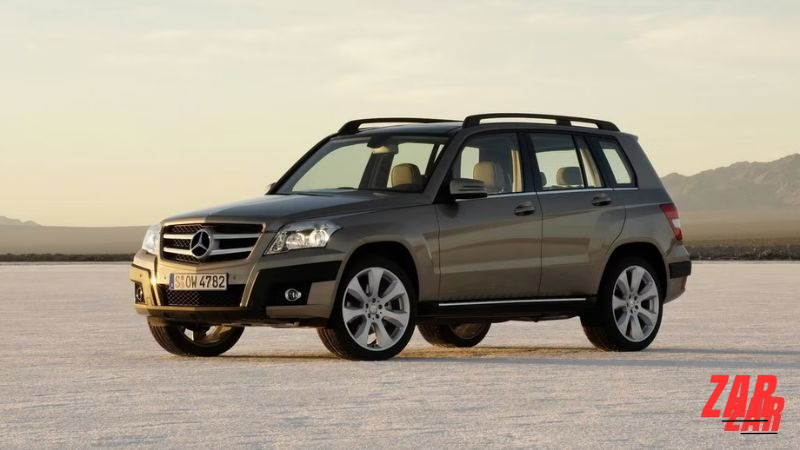
The Mercedes-Benz GLK occupies a highly distinctive position within the Nigerian luxury used car market, perfectly delivering the prestigious three-pointed star badge, authentic German build quality, and a commanding aesthetic at highly accessible price points. Although globally discontinued after 2015 and officially replaced by the GLC, this compact SUV has aged incredibly well across the local secondary market. Deliberately rejecting the smooth, rounded crossover styling of competitors like the Lexus RX or BMW X3, its angular, G-Wagon-inspired design and upright silhouette offer an unmistakable road presence that immediately communicates true prestige, making it an incredibly consistent performer for professionals seeking affordable luxury.
Successfully navigating the current market requires an absolutely honest understanding of exactly which model years are actually worth buying, what drives massive price variations, and the true long-term costs of ownership. For Nigerian buyers, the dominant and most recommended choice remains the GLK 350, powered by a highly robust 3.5-litre V6 engine offering the most reliable and widely understood maintenance experience locally. While the rare GLK 250 BlueTec diesel variant occasionally surfaces, the petrol V6 represents the absolute safest investment, providing the perfect balance of premium performance and manageable upkeep.
The Two Distinct GLKs 350: Pre-Facelift vs. Facelift
Understanding the GLK’s production timeline is essential for Nigerian buyers because the difference between the pre-facelift and facelift models is not purely cosmetic; it also involves meaningful changes to the engine, transmission reliability, and interior quality that directly affect the ownership experience and long-term running costs.
Pre-Facelift GLK 350 (2010–2012): The Original Design
Powered by the naturally aspirated 3.5-litre M272 V6 engine producing 268 horsepower and paired with a seven-speed automatic transmission, the original GLK 350 delivers a smooth, linear, and highly refined driving experience. The highly capable 4MATIC permanent All-Wheel Drive system provides immense confidence during the heavy Lagos rainy season, easily maintaining traction on flooded urban roads, while the 189mm ground clearance effortlessly handles typical city speed bumps. Inside, the cabin features a deliberately utilitarian and stark presentation equipped with standard full leather seating that serves as a great indicator of past maintenance. While higher trims offer the airy, dual-pane panoramic sunroof and COMAND multimedia system, the older infotainment interface feels noticeably dated by 2026 standards and entirely lacks modern smartphone connectivity.
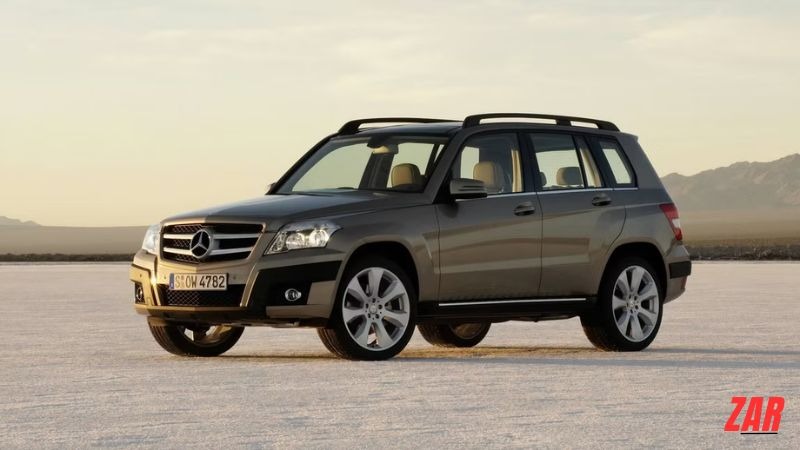
The absolute most critical factor for Nigerian buyers considering this older generation is the notoriously expensive 4MATIC transfer case bearing failure, heavily documented in the 2010 and 2011 models. By 2012, Mercedes-Benz sufficiently refined their manufacturing process, making the 2012 edition the safest and most defensible choice within this era, but a mandatory drivetrain inspection remains strictly non-negotiable before purchase. Current 2026 pricing directly reflects these mechanical risks, with foreign-used 2010 models ranging from 13,000,000 to 18,500,000 Naira, 2011 models between 14,000,000 and 19,500,000 Naira, and the safer 2012 models demanding 16,000,000 to 22,000,000 Naira. Meanwhile, locally registered Nigerian-used examples across these specific years typically trade between 10,000,000 and 16,000,000 Naira, creating a potentially false economy for buyers who ignore the underlying mechanical liabilities.
Facelift GLK 350 (2013–2015): The Improved Version
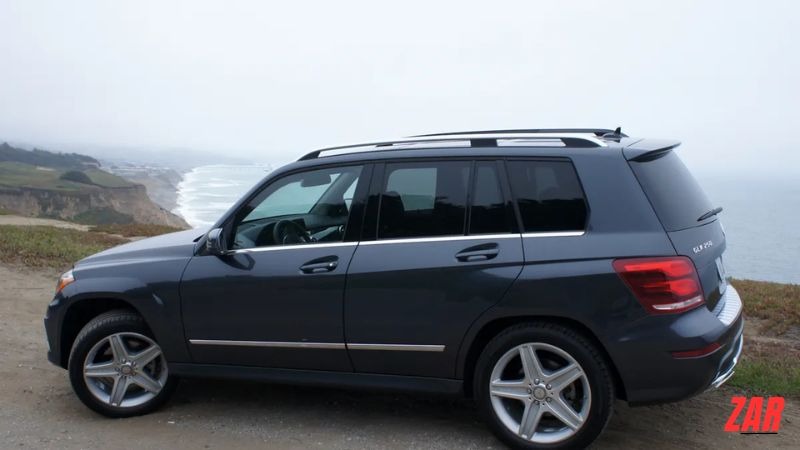
The massive 2013 mid-cycle refresh brought incredible improvements, creating the absolute most refined and highly sought-after GLK generation in the Nigerian used car market. Under the bonnet, the upgraded, direct-injected M276 3.5-litre V6 engine pushes a robust 302 horsepower and 273 lb-ft of torque, delivering noticeably stronger mid-range pull for effortless overtaking on the Lagos-Ibadan Expressway, while a new stop-start system improves overall fuel economy. The exterior benefits from a smoother front bumper with integrated LED running lights, while the heavily upgraded cabin introduces softer-touch materials, elegant wood trim, and a relocated centre console gear selector. Fully loaded examples boasting bi-xenon adaptive headlights, parking sensors, and the highly desirable panoramic sunroof offer an incredibly premium environment that completely addresses the stark criticisms of the previous iteration.
While the initial 2013 models occasionally experienced minor electrical complaints regarding cam sensors, the heavily refined 2014 and 2015 production years completely resolved these issues, standing today as the ultimate optimal purchasing position. As the most actively traded segment in Nigeria, clean, accident-free facelift models command strong premiums perfectly justified by their incredible German build quality and resolved mechanical history. Fresh, foreign-used 2013 models currently command 17,000,000 to 25,000,000 Naira. 2014 models range from 19,000,000 to 28,000,000 Naira, and fully loaded 2015 versions reach between 21,000,000 and 30,000,000 Naira. For buyers seeking local bargains, Nigerian-used facelift models currently trade between 13,000,000 and 22,000,000 Naira, offering the absolute perfect blend of modern luxury, robust performance, and deeply reassuring long-term reliability.
The GLK 250 BlueTec: The Rare Diesel Alternative
Powered by a 2.1-litre twin-turbo four-cylinder diesel engine pushing 200 horsepower and a massive 369 lb-ft of torque, the GLK 250 BlueTec offers an incredibly distinct driving experience. This variant, introduced exclusively during the facelift years of 2013 to 2015, heavily prioritizes spectacular fuel economy and immense pulling power over outright top-end speed. While highly popular in European markets, this specific diesel variant remains remarkably rare across the Nigerian tokunbo market. Prospective buyers must absolutely understand the massive complexities of owning a modern German diesel in Nigeria; strictly adhering to high-quality diesel and rigorously maintaining the highly sensitive AdBlue emission systems are absolutely non-negotiable. Furthermore, finding highly specialized mechanics capable of properly diagnosing the BlueTec system remains considerably harder than finding support for the ubiquitous petrol V6. Consequently, foreign-used 2013 to 2015 GLK 250 models typically trade between 16,000,000 and 23,000,000 Naira, while locally used iterations hover around 12,000,000 to 16,000,000 Naira, making them slightly more affordable but significantly more challenging to maintain locally.
Full Price Summary Table: GLK in Nigeria (2026)
| Model Year | Type | Condition | Estimated Price (₦) |
| 2010 | Pre-facelift GLK 350 | Foreign Used | ₦13M – ₦18.5M |
| 2011 | Pre-facelift GLK 350 | Foreign Used | ₦14M – ₦19.5M |
| 2012 | Pre-facelift GLK 350 | Foreign Used | ₦16M – ₦22M |
| 2010–2012 | Pre-facelift GLK 350 | Nigerian Used | ₦10M – ₦16M |
| 2013 | Facelift GLK 350 | Foreign Used | ₦17M – ₦25M |
| 2014 | Facelift GLK 350 | Foreign Used | ₦19M – ₦28M |
| 2015 | Facelift GLK 350 | Foreign Used | ₦21M – ₦30M |
| 2013–2015 | Facelift GLK 350 | Nigerian Used | ₦13M – ₦22M |
| 2013–2015 | Facelift GLK 250 BlueTec | Foreign Used | ₦16M – ₦23M |
| 2013–2015 | Facelift GLK 250 BlueTec | Nigerian Used | ₦12M – ₦16M |
What to Budget Beyond the Purchase Price
The European engineering sophistication of the GLK naturally demands a significantly higher maintenance budget than Japanese alternatives. Routine servicing at reputable specialist workshops typically costs between 80,000 and 150,000 Naira, requiring strict adherence to correct synthetic oil grades to prevent severe engine damage. Beyond basic servicing, owners must anticipate specific repairs, including sensitive AC compressor replacements costing 200,000 to 350,000 Naira, and fixing M276 engine cam sensor oil leaks for 30,000 to 80,000 Naira. Crucially, buyers considering older 2010 to 2011 models face massive mechanical liabilities, with 4MATIC transfer case rebuilds frequently demanding 250,000 to 600,000 Naira, making those cheaper acquisition prices a highly dangerous false economy. While the V6 engine returns a perfectly reasonable 12 to 15 litres per 100km fuel economy, its complex electronic architecture absolutely requires dedicated specialist care and genuine parts.
Pros and Cons of the Mercedes-Benz GLK
The Pros
- Commanding Road Presence
- Exceptional Build Quality
- Satisfying V6 Performance
- Specialist Parts Availability
The Cons
- Higher Maintenance Costs
- Severe Pre-Facelift Mechanical Risk
- Compact Interior Dimensions
- Outdated Infotainment
Final Assessment
Ultimately, the Mercedes-Benz GLK remains an incredibly compelling choice for Nigerian professionals seeking authentic German engineering and a commanding, boxy aesthetic. When deciding which specific model year to purchase, buyers should absolutely avoid the 2010 and 2011 editions due to severe transfer case liabilities, unless they are deeply discounted and thoroughly inspected. While the 2012 model offers a safer, budget-friendly alternative, the heavily refined 2014 and 2015 facelift editions stand as the absolute best overall investments. These later models perfectly combine the robust 302-horsepower engine, vastly improved interior luxury, and resolved electrical systems, delivering the most complete premium ownership experience available in this specific price bracket.
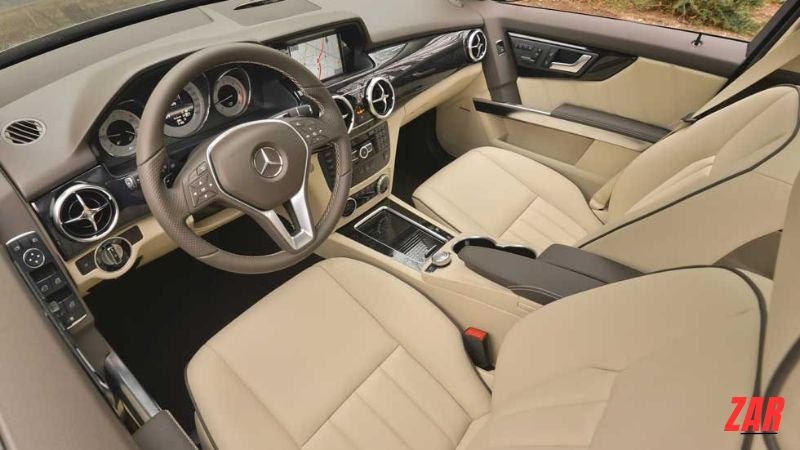
However, securing a reliable example demands strict discipline during the purchasing process, including a mandatory OBD diagnostic scan and a professional undercarriage inspection. Buyers must specifically verify the 4MATIC transfer case, check for obvious cam sensor oil leaks, evaluate the COMAND infotainment functionality, and ensure all customs documentation is perfectly complete. While the GLK offers incredible road presence and satisfying performance, its compact interior and premium German maintenance profile mean it is not a direct substitute for the spacious, ultra-reliable Lexus RX. Therefore, buyers must honestly embrace the higher European running costs and prudently set aside a realistic contingency budget for the first year to truly enjoy this highly characterful luxury SUV.


