If you are searching for the price of Toyota Camry in Nigeria, you can find older Nigerian-used models from around ₦3.5 million, while newer Foreign Used (Tokunbo) examples can cost more than ₦45 million. Brand-new or nearly new 2024–2026 Camry models can go beyond ₦70 million depending on the specification and import costs.
The Toyota Camry remains one of the most recognisable mid-size sedans in Nigeria because it combines a spacious cabin, comfortable ride, strong parts availability and a wide range of used-market prices. Whether your budget is below ₦10 million or above ₦30 million, there is usually a Camry generation within reach.
However, the cheapest Camry is not necessarily the cheapest one to own. Condition, mileage, engine type, accident history, maintenance history and documentation can make a huge difference.
Price of Toyota Camry in Nigeria by Year
As of September 2026, the price of Toyota Camry in Nigeria varies significantly according to model year and condition.
Older 2003–2007 Nigerian-used Camry models generally fall around ₦3.5 million to ₦6.5 million, while Tokunbo examples can cost approximately ₦5 million to ₦8 million. These older Camrys remain popular because they offer a relatively affordable entry into the Camry nameplate.
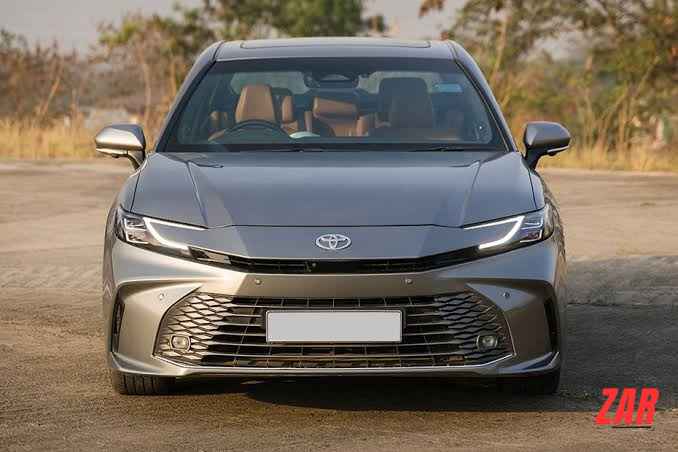
For 2008–2011 models, Nigerian-used examples typically range from ₦5.5 million to ₦9 million, while Foreign Used models can cost around ₦7 million to ₦11 million.
The 2012–2014 Camry generally sits around ₦8 million to ₦12 million for Nigerian-used examples, while Tokunbo versions can range from approximately ₦11 million to ₦15.5 million.
For 2015–2016 models, Nigerian-used vehicles can cost about ₦11 million to ₦15 million, while Tokunbo examples can range from ₦14 million to ₦19 million.
The 2017–2018 Camry moves into a higher price bracket, with Nigerian-used examples around ₦15 million to ₦22 million and Foreign Used examples around ₦18 million to ₦28 million.
For 2019–2020 models, Tokunbo prices can range from approximately ₦24 million to ₦35 million, while Nigerian-used availability is more limited. The 2021–2023 models can cost around ₦30 million to ₦45 million or more depending on the vehicle.
Newer 2024–2026 Camry models are in a completely different price bracket, with brand-new or early Tokunbo examples supplied for this guide at approximately ₦70 million to ₦100 million or more.
The average market figure across all Camry listings is around ₦6.2 million, although this number is heavily influenced by the large number of older Camrys available in the Nigerian used-car market. Actual asking prices vary by location, condition, mileage and specification.
Why the Toyota Camry Remains Popular in Nigeria
The Camry has built a strong reputation among Nigerian car buyers over several generations. Its relatively large cabin gives passengers more room than a compact sedan, while the boot is useful for everyday errands and long-distance travel.
Toyota has also historically offered the Camry with a choice of four-cylinder and V6 petrol engines, depending on the generation and trim. For example, the 2014 Camry’s 2.5-litre four-cylinder produced 178 horsepower, while its 3.5-litre V6 produced 268 horsepower. Toyota paired both engines with a six-speed automatic transmission in that generation. Toyota’s official 2014 Camry information provides the manufacturer’s specifications.
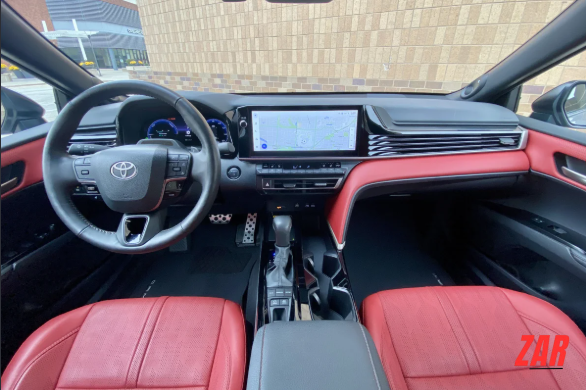
The Camry is also widely supported by mechanics and parts suppliers in Nigeria. That does not mean every replacement part is cheap, but finding technicians familiar with Toyota’s systems is generally easier than with many less common vehicles.
Another attraction is its versatility. A Camry can work as a daily commuter, family sedan or long-distance vehicle without feeling too small on the highway.
Toyota Camry Fuel Economy in Nigeria
Fuel consumption is one of the biggest differences between the Camry and smaller Toyota models such as the Corolla.
For practical Nigerian driving, a healthy 2.5-litre four-cylinder Camry can return around 8–10.5 km/L in city driving, approximately 12–14.5 km/L on the highway and around 10–12.5 km/L combined.
The 3.5-litre V6 generally consumes more fuel, with practical figures of roughly 6–8 km/L in city driving, 10–12 km/L on the highway and around 8–10 km/L combined.
These figures are real-world estimates and can vary considerably. Heavy traffic, aggressive acceleration, air-conditioning use, tyre pressure, vehicle load and engine condition all affect fuel consumption.
Toyota’s official figures demonstrate the difference between the two engines. For the 2014 model, the 2.5-litre was rated at 25 mpg city and 35 mpg highway under US EPA testing, while the V6 was rated at 21 mpg city and 31 mpg highway. (Toyota USA Newsroom)
For most Nigerian buyers who prioritise running costs, the 2.5-litre engine is therefore the more economical option.
Which Toyota Camry Year Fits Your Budget?
If your budget is under ₦10 million, the 2010–2013 period gives you access to several Camry options within the supplied Nigerian market ranges. At this price level, condition and maintenance history become particularly important because many vehicles will already have significant mileage.
With ₦10 million to ₦16 million, the 2014–2016 Camry range becomes relevant. These models offer a newer design and more modern equipment without moving into the price levels of much newer generations.
A budget of ₦16 million to ₦25 million can put 2017–2018 models within reach, depending on whether you are looking at Nigerian-used or Tokunbo vehicles and the condition of the car.
If your budget is above ₦25 million, you can start considering 2019 and newer models. These vehicles can provide newer interiors, technology and lower age-related wear, although the purchase price is substantially higher.
Rather than choosing a year based solely on reputation, compare the actual condition and history of the vehicles available within your budget.
Nigerian Used vs Tokunbo Toyota Camry
When shopping for a Camry, you will often have to choose between Nigerian-used and Foreign Used vehicles.
Tokunbo vehicles can sometimes have lower local mileage or cleaner interiors, but this does not automatically mean every imported Camry is in better condition. Imported vehicles can also have previous accident, flood or auction histories.
A Nigerian-used Camry can be a worthwhile purchase when the previous owner maintained it properly and there is evidence of regular servicing.
The most important thing is to inspect the actual vehicle. Check the VIN, ownership documents and customs documentation, particularly for imported vehicles.
The Nigeria Customs Service provides official customs services, while its vehicle verification processes can be used to check information connected with a vehicle’s VIN or chassis number.
Do not rely solely on a seller’s claim that the car is “cleared.” Verify the relevant documentation before completing the transaction.
Key Things to Check Before Buying a Toyota Camry
Start with the vehicle’s history. Ask for the VIN and investigate whether the car has signs of previous accident damage, flood exposure or unusual mileage.
Mileage fraud is something Nigerian used-car buyers should take seriously. Do not judge mileage solely from the odometer. Look at the driver’s seat, steering wheel, pedals and other frequently used components to see whether their condition matches the claimed mileage.
The transmission also deserves careful attention. During a test drive, check how the vehicle moves from a stop, accelerates and changes gears. Any serious hesitation, shuddering, slipping or unusual noise should be investigated before purchase.
The suspension and underbody should be inspected carefully because potholes and rough roads can accelerate wear. Listen for knocking sounds when driving over speed bumps or uneven surfaces.
The AC should also be tested properly. Check that it becomes sufficiently cold and that there are no unusual noises from the compressor or cooling system.
Finally, inspect the engine for oil or coolant leaks and make sure the vehicle starts and idles properly.
Toyota Camry Safety and Recall Checks
Safety specifications vary between Camry generations, so buyers should check the exact model year and trim rather than assuming all Camrys have identical equipment.
For example, the Insurance Institute for Highway Safety lists the 2017 Toyota Camry as a Top Safety Pick+, with Good ratings in several crashworthiness categories. The award had specific equipment conditions, including optional front crash prevention and particular headlights. IIHS testing for the 2017 Toyota Camry provides the full details.
Recall history is also worth checking before purchasing an imported Camry. The NHTSA recall database allows buyers to search for safety recalls using a vehicle identification number, where applicable.
A VIN check does not replace a mechanical inspection, but it can provide another useful piece of information before you commit your money.
Common Toyota Camry Problems to Watch For
The exact problems depend on the generation and mileage, but older Camrys can develop suspension wear, oil leaks, cooling-system issues and air-conditioning problems.
Transmission behaviour should receive particular attention on higher-mileage vehicles. A car that has been driven for years without proper maintenance can develop expensive transmission problems even if the body and interior still look good.
Suspension components can also wear faster on Nigerian roads. Worn shocks, bushes and other components can affect comfort and handling.
Older vehicles may also have electrical issues caused by age or previous repairs. Check the dashboard, windows, lights, central locking, infotainment system and other electrical equipment before buying.
A professional pre-purchase inspection is therefore worthwhile, particularly when buying a higher-priced Tokunbo or newer Camry.
Pros and Cons of Buying a Toyota Camry in Nigeria
The main advantages of the Camry are its comfortable ride, spacious cabin, availability of parts, strong presence in the Nigerian used-car market and suitability for both city and long-distance driving.
Its main disadvantages are higher fuel consumption compared with smaller cars such as the Corolla, higher purchase and maintenance costs on some versions, and suspension wear caused by poor road conditions.
Older Camrys can also have substantial mileage, so buyers should focus on the condition of the individual car rather than simply buying a particular model year.
Is the Toyota Camry Worth Buying in 2026?
The price of Toyota Camry in Nigeria covers such a wide range that the right choice depends heavily on your budget and the condition you find.
If you have less than ₦10 million, an older Camry can provide access to the model without the price of a newer generation. However, you should reserve some money for maintenance because an older car may require suspension, AC, tyre or fluid-related work.
Between ₦10 million and ₦16 million, 2014–2016 models provide access to newer generations and more modern features. Buyers with ₦16 million to ₦25 million can consider 2017–2018 examples, while budgets above ₦25 million open up newer 2019-and-later options.
The key is to compare the condition, history and total ownership cost rather than focusing only on the model year.
Toyota Camry Official Information and Social Media
For manufacturer information, Toyota’s official newsroom is a useful source for specifications, product announcements and model updates. You can also visit Toyota’s official social media page to access its official social channels, including Facebook, X and YouTube.
Following the manufacturer’s official accounts can help you distinguish genuine product announcements from claims made by individual sellers or unofficial automotive pages.
Final Thoughts
The price of Toyota Camry in Nigeria currently ranges from roughly ₦3.5 million for some older Nigerian-used models to more than ₦45 million for newer Tokunbo examples, while new 2024–2026 models can exceed ₦70 million.
Older 2003–2007 models remain at the lower end of the market, while 2012–2016 models sit in a middle range and newer 2017–2023 Camrys command substantially higher prices.
The 2.5-litre engine is generally the more economical option for Nigerian drivers, while the 3.5-litre V6 provides more power at the cost of higher fuel consumption.
Whatever your budget, inspect the vehicle thoroughly, verify the VIN and documents, check the mechanical condition and take the car for a proper test drive before paying. A well-maintained Camry with a clear history can serve its owner for years, but buying purely because a vehicle looks clean or carries a low price can create expensive problems later.