If you are searching for the Toyota Yaris price in Nigeria, you can find older Nigerian-used models from around ₦2.5 million to ₦5 million, while Tokunbo examples from older model years can cost approximately ₦4 million to ₦7.5 million. Newer 2011–2015 models generally fall around ₦6 million to ₦12 million, while newer 2016–2019 examples can reach ₦12 million to ₦18 million.
The Yaris is one of Toyota’s smaller cars, making it particularly interesting to Nigerian buyers who want something economical, easy to park and relatively inexpensive to maintain. However, prices vary significantly because the Yaris has been sold in different generations, body styles and specifications across different markets.
Toyota Yaris Price in Nigeria
As of September 2026, older 2005–2009 Nigerian-used Toyota Yaris models generally fall within the ₦2.5 million to ₦5 million range, with many clean examples asking around ₦3.5 million to ₦4.5 million.
Older Tokunbo models from roughly 2005–2010 can cost around ₦4 million to ₦7.5 million, while 2011–2015 Nigerian-used and Tokunbo examples can range from approximately ₦6 million to ₦12 million.
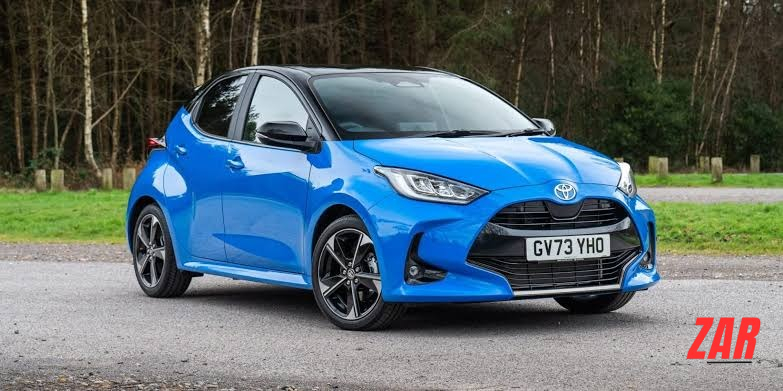
For newer 2016–2019 Tokunbo models, prices can rise to around ₦12 million to ₦18 million, with cleaner examples commonly advertised around ₦14 million to ₦17 million.
Recent 2020-and-newer examples can be considerably more expensive, with prices ranging from roughly ₦20 million to ₦35 million or more, depending on the exact model, specification and condition.
These figures are the September 2026 market ranges supplied for this guide. Actual asking prices can differ between sellers, cities and individual vehicles. Lagos and Abuja listings can also command higher prices, while mileage, condition, documentation and trim level can significantly affect the final price.
It is also worth remembering that the Yaris name covers several different generations and body styles. Toyota’s US-market Yaris, for example, was discontinued after the 2020 model year, while Yaris models continued in other markets under different specifications.
Toyota Yaris Engine and Specifications
There is no single specification that applies to every Toyota Yaris sold in Nigeria because the model has changed significantly across generations and markets.
Older Yaris models commonly found in Nigeria can have small petrol engines around 1.0, 1.3 or 1.5 litres, while some later versions use different engine and transmission combinations depending on their market.
The car is generally front-wheel drive and designed around compact dimensions, making it easy to manoeuvre through busy urban areas. Most versions seat five people, although available cabin and boot space vary by generation and body style.
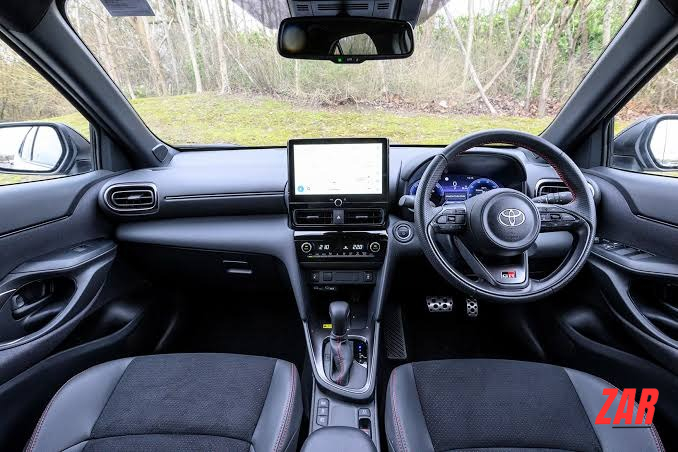
For example, Toyota’s US-market 2015 Yaris used a 1.5-litre four-cylinder engine producing 106 horsepower, with five-speed manual and four-speed automatic transmission options depending on the trim. Toyota also offered the car as a three-door or five-door liftback. You can check the official 2015 Toyota Yaris specifications for the factory details.
Newer Yaris versions have different specifications. The 2020 US-market Yaris sedan used a 1.5-litre engine with 106 horsepower and was available with a six-speed automatic or six-speed manual transmission. Toyota’s official information on the 2020 Toyota Yaris provides more detail.
Toyota Yaris Fuel Economy in Nigeria
Fuel economy is one of the biggest reasons Nigerian buyers consider the Yaris. Its relatively small engine and lightweight construction mean that it can consume less fuel than many larger Toyota sedans.
For practical Nigerian driving, a healthy Yaris can return approximately 12–15 km/L in city driving, while highway driving can reach around 16–20 km/L. Combined consumption may fall around 14–17 km/L, although actual figures depend on the generation, engine, transmission, traffic, air-conditioning use, road conditions and driving style.
A Yaris stuck in heavy Lagos traffic with the AC running constantly will obviously consume more fuel than the same car cruising on an open highway.
Toyota’s published figures also demonstrate the model’s efficiency. For example, the 2020 Yaris sedan was rated at up to 40 mpg highway with the six-speed automatic in US testing. That should not be treated as a guaranteed Nigerian real-world figure, but it shows the efficiency focus of the model.
Is the Toyota Yaris Good for Nigeria?
The Yaris makes the most sense for someone who prioritises low running costs and easy urban driving rather than maximum cabin space or performance.
Its compact dimensions are useful in crowded Nigerian cities. Parking in tight spaces is easier, manoeuvring through traffic is less stressful, and the small engine can help keep fuel expenses under control.
Toyota also designed the Yaris around easy manoeuvrability. The 2015 model, for example, had a particularly tight turning circle, while Toyota described its suspension and steering setup as being designed for responsive urban driving. The company also highlighted improved sound insulation and a retuned suspension on that generation.
The main compromise is space. If you regularly carry several adults, lots of luggage or a large family, the Yaris can feel cramped compared with a Corolla, Camry or larger SUV.
Ground clearance and ride comfort also deserve attention when buying an older Yaris for Nigerian roads. A vehicle that has spent years dealing with potholes and rough roads may need suspension work even if the engine is still healthy.
Common Problems With the Toyota Yaris
The problems you should watch for depend heavily on the model year and generation. On older Nigerian-used examples, suspension wear is one of the first things worth checking. Worn shocks, bushes, links and other components can affect ride quality and handling.
The air-conditioning system should also be tested carefully. In Nigeria, a weak AC is not a minor inconvenience, especially when you are dealing with traffic under a hot afternoon sun.
Electrical problems can appear on neglected older vehicles, particularly where previous repairs were poorly carried out. Check the dashboard warning lights, windows, central locking, headlights, indicators and other electrical equipment before buying.
Rust is another consideration on older imported vehicles, especially if the car previously operated in a climate where road salt or moisture was common. Inspect the underside, wheel arches, doors and other vulnerable areas.
Automatic transmission behaviour should also be checked. Hesitation, harsh engagement, slipping or unusual noises should not be ignored. Have a qualified mechanic inspect the vehicle before you commit to the purchase.
Nigerian Used vs Tokunbo Toyota Yaris
When buying a Yaris in Nigeria, the decision between Nigerian-used and Tokunbo should be based on the individual vehicle rather than simply assuming that imported means better.
A Tokunbo vehicle may have a cleaner interior or lower mileage, but you still need to investigate its history. Some imported vehicles may have accident, flood or auction histories that are not obvious from photographs.
A Nigerian-used Yaris can also be a good purchase if it has been properly maintained. Service records, mechanical condition and documentation are more important than the label attached to the car.
For imported vehicles, verify the VIN and customs documentation before paying. The Nigeria Customs Service provides official customs services, and its Customs Verification Management System allows vehicle clearance status to be checked using the VIN or chassis number.
This is especially important when a seller is asking for a significant amount of money for an older vehicle.
What to Check Before Buying a Toyota Yaris
Start with the engine and transmission. The engine should start easily, idle properly and operate without excessive smoke, knocking or unusual noises. During the test drive, pay attention to acceleration and transmission behaviour.
Next, inspect the suspension and underbody. Nigerian roads can be hard on small cars, so listen for knocking sounds over speed bumps and uneven surfaces.
The AC should be tested for proper cooling, while the electrical system should be checked for warning lights, faulty switches and other obvious problems.
The body should also be inspected for accident repairs, mismatched paint, uneven panel gaps and rust. If the vehicle is advertised with unusually low mileage, ask questions and look at whether the interior wear matches the claimed mileage.
Finally, verify the VIN, customs documents and ownership paperwork. Do not hand over your money simply because the car looks clean.
Toyota Yaris for City Driving in Nigeria
This is where the Yaris makes a particularly strong case for itself. A compact hatchback can be much easier to live with when you spend most of your time navigating busy streets, parking in tight spaces and dealing with congested traffic.
Its smaller dimensions also make it easier for inexperienced drivers to judge the car’s position on narrow roads.
However, city suitability does not mean every Yaris is equally comfortable. Older examples with worn suspension can become uncomfortable on potholes and rough roads, so the condition of the particular vehicle matters considerably.
If your driving involves frequent long-distance trips with several passengers and luggage, a Corolla or another larger vehicle may provide more usable space.
Is the Toyota Yaris Worth Buying in 2026?
For buyers working with a smaller budget, the Yaris remains an interesting option because older examples can be considerably cheaper than many Toyota Corolla models.
The supplied September 2026 prices put older Nigerian-used Yaris models around ₦2.5 million to ₦5 million, while older Tokunbo examples generally sit around ₦4 million to ₦7.5 million. This makes older versions particularly relevant to first-time buyers looking for a compact Toyota.
For a newer and potentially more refined vehicle, buyers can move into the 2011–2015 range at roughly ₦6 million to ₦12 million, while 2016–2019 Tokunbo models can reach ₦12 million to ₦18 million.
The important thing is not to spend your entire budget on the purchase price. Keep money aside for servicing, fluids, filters, tyres and any suspension or AC repairs that may become necessary after purchase.
Toyota Yaris Safety and Recall Checks
Safety equipment varies significantly between Yaris generations, so buyers should check the exact model year rather than assuming every Yaris has the same features.
For example, Toyota stated that the 2015 US-market Yaris came with nine standard SRS airbags, including curtain airbags and front seat cushion airbags.
Recall history should also be checked using the vehicle identification number where possible. The National Highway Traffic Safety Administration’s recall resources allow consumers to search recall information by VIN, year, make and model.
This is particularly useful when buying an imported Yaris because the vehicle may have originated from another market.
Toyota Yaris Social Media and Official Information
If you want to follow Toyota’s latest vehicle announcements, product news and company updates, Toyota’s official newsroom provides links to its social media channels.
You can visit Toyota’s official social media page to find its Facebook, X and YouTube accounts. Toyota also launched official Toyota USA News accounts on Instagram and Threads in 2025, giving enthusiasts another way to follow product announcements and company news.
These official channels are useful for checking manufacturer announcements rather than relying entirely on social media posts from individual car sellers.
Final Thoughts
The Toyota Yaris price in Nigeria varies widely because the model has been sold across several generations and body styles. Based on the September 2026 market ranges for this guide, older Nigerian-used examples can cost around ₦2.5 million to ₦5 million, while older Tokunbo models generally fall around ₦4 million to ₦7.5 million.
Newer 2011–2015 examples can reach ₦6 million to ₦12 million, while 2016–2019 Tokunbo models can cost ₦12 million to ₦18 million. Recent 2020-and-newer examples can move beyond ₦20 million depending on specification and condition.
For a Nigerian buyer who mainly wants a compact, economical car for city driving, the Yaris is worth considering. Just remember that the cheapest Yaris is not necessarily the cheapest one to own. Engine condition, transmission health, suspension, AC, documentation and maintenance history should all be checked before you buy.