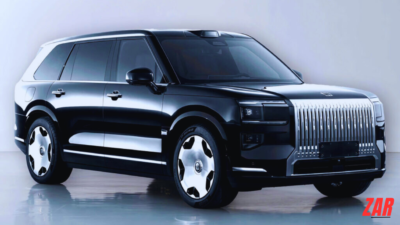
Xiaomi car pricing remains one of the most searched automotive topics in 2026. The Chinese tech giant, known for smartphones and smart devices, has successfully entered the EV market with the SU7 sedan, delivering strong performance, advanced technology, and aggressive pricing that directly challenge Tesla and BYD.
Rather than positioning itself as a niche brand, Xiaomi adopted the same philosophy that built its smartphone business: deliver high-specification hardware at pricing that makes competitors uncomfortable. By 2026, that strategy will have expanded from one model to three, and the lineup will be broad enough to cover everything from the everyday performance sedan to a track-focused hypercar alternative.
Unlike traditional automakers that transition gradually into EVs, Xiaomi entered as a pure electric manufacturer, investing heavily in battery technology, 800V charging architecture, autonomous driving systems, and deep integration with its existing HyperOS device ecosystem. The result is a vehicle lineup that does not feel like a first attempt and pricing that has already forced meaningful conversations at Tesla and BYD.
Xiaomi SU7
The SU7 is where Xiaomi’s automotive story begins, and after a comprehensive mid-cycle update for 2026, it remains the strongest value proposition in its segment. The 2026 facelift brings meaningful upgrades beyond cosmetic changes: a higher-voltage platform across all trims with the Standard and Pro moving from 400V to 752V architecture, and the Max approaching 900V, a new V6s Plus motor on every variant replacing the previous split motor lineup, and a safety airbag count increased from seven to nine as standard. Range figures have also improved, with the Pro now claiming 902 km on the CLTC cycle, up from 830 km, and the Max reaching 835 km. Pricing in China starts at approximately $32,700 for the Standard and rises to around $44,300 for the Max AWD, a modest increase of roughly $2,000 across the range compared to the original launch prices, reflecting the depth of the upgrades rather than a change in strategy.
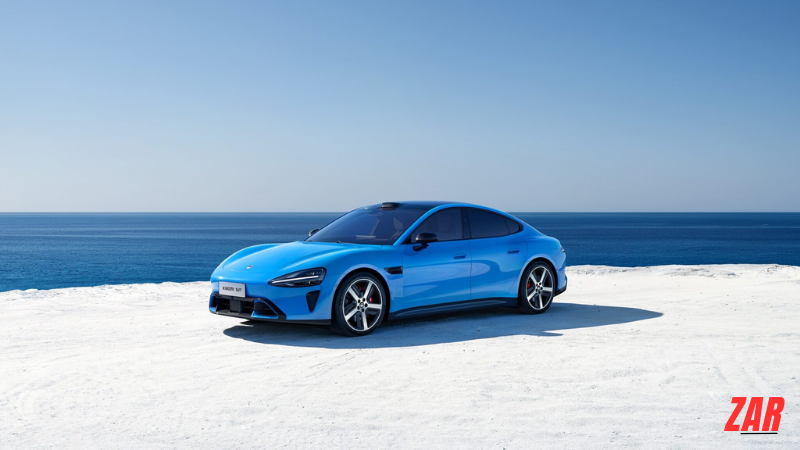
What makes the SU7 compelling is not any single specification but the coherence of the package. The 0–100 km/h time of 2.78 seconds on the Max AWD variant, 480 kW fast-charging capability, a drag coefficient of 0.195 Cd that places it among the most aerodynamically efficient sedans on the market, and full HyperOS integration that connects the car with Xiaomi’s broader device ecosystem all of this comes in a package that undercuts the Tesla Model 3 in the Chinese market. The SU7 already holds the highest C-NCAP safety score ever recorded under the 2024 testing protocol, with its safety subscores placing it in the 80th percentile across virtually every tested category. For buyers seeking a high-performance daily driver with genuine technological depth, the SU7 makes a case that is difficult to argue against on specification alone.
Xiaomi SU7 Ultra
The SU7 Ultra exists in a different category from its siblings not a trim level upgrade but a genuine performance vehicle that competes with cars costing several times its price. Launched in March 2025 and available in China from approximately $72,800, the Ultra combines three electric motors in a configuration Xiaomi calls the HyperEngine setup: two V8 rear motors and a V6s front motor producing a combined system output of 1,527 horsepower and 1,770 Nm of torque. The 0–100 km/h time of 1.98 seconds is achieved without the one-foot rollout measurement that some manufacturers use to enhance their published figures, making it a legitimate benchmark against which the Porsche Taycan Turbo GT, the Tesla Model S Plaid, and the Rimac Nevera are measured. A top speed of 350 km/h completes the performance picture, while a CATL Qilin 2.0 battery with 93.7 kWh capacity delivers 630 km of CLTC range and charges from 10 to 80 percent in 11 minutes.
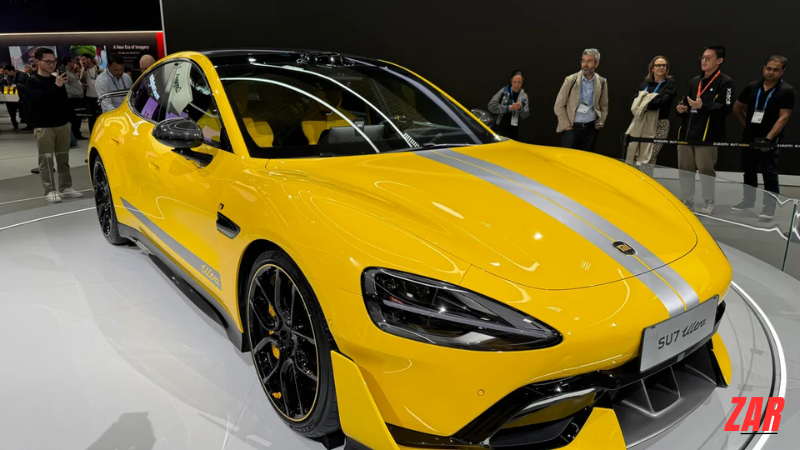
The Ultra is not merely a drag-strip exercise. The suspension setup uses dual-chamber air springs paired with Bilstein EVO T1 adaptive dampers, and the aerodynamic package includes an active rear spoiler and advanced diffuser that manage downforce electronically rather than through fixed geometry. A SU7 Ultra prototype set a production four-door record at the Nürburgring Nordschleife of 6:46.874 during development, and Xiaomi holds the production car lap record at the Shanghai International Circuit with a time of 2:09.944. Inside, the Ultra carries Alcantara upholstery with carbon fiber accents, a 16.1-inch multimedia display driven by a Qualcomm Snapdragon 8295 processor, and a full suite of driver assistance systems. At its price point, the SU7 Ultra represents one of the most disruptive value propositions in the performance vehicle segment, a car with genuine hypercar credentials at a fraction of the cost traditional manufacturers charge for equivalent performance.
Xiaomi YU7
The YU7 is Xiaomi’s second model and first SUV, revealed in May 2025 and positioned to capture the segment that the Model Y has dominated globally. Available in three variants: Standard RWD, Pro AWD, and Max AWD, pricing in China starts at approximately ¥253,500 (around $35,000) for the Standard and reaches ¥329,900 (around $46,000) for the Max, positioning it slightly above the SU7 sedan in both price and specification. The premium is justified by improved cabin quality, stronger outputs on the AWD variants, and standard fitment of Xiaomi’s latest E-Platform 2.0 800V architecture across the entire range. The entry-level Standard reaches 100 km/h in 5.88 seconds from a single 235 kW rear motor, while the Pro AWD covers the same sprint in 4.27 seconds with 365 kW and 690 Nm combined. The Max AWD, which produces more power than the SU7 Max, is deliberately tuned for a slightly more composed delivery, a decision that appears to reflect Xiaomi’s awareness of the accident incidents associated with the SU7’s aggressive traction response in early ownership.
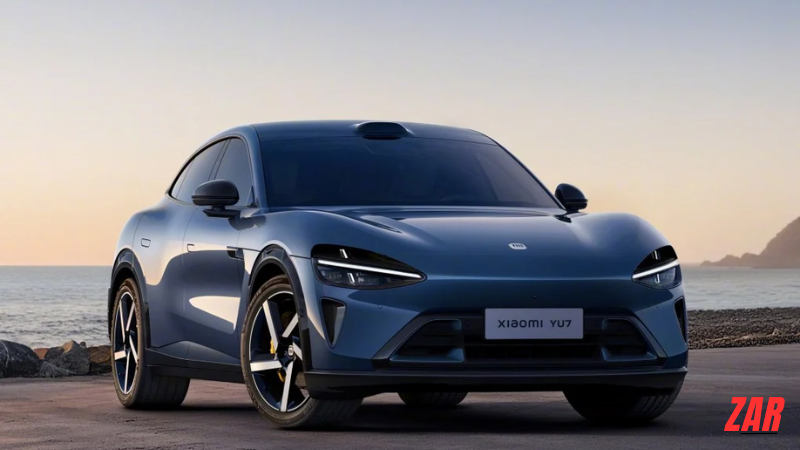
The YU7’s technology specification is where Xiaomi’s broader ecosystem strategy becomes most visible. Every variant ships with a roof-mounted LiDAR unit, a 4D millimetre-wave radar, 11 cameras, 12 ultrasonic sensors, and an NVIDIA DRIVE Thor chip delivering 700 TOPS of processing power a hardware stack that supports Xiaomi’s HAD assisted driving system covering both highway and urban environments. The Max variant carries a 101.7 kWh ternary lithium battery with a claimed CLTC range of 760 km, while the Standard and Pro share a 96.3 kWh lithium-ion unit. Interior specification across all trims includes heated, ventilated, and memory front seats, heated rear seats, a Nappa leather steering wheel, and a panoramic glass roof as standard, a level of equipment that many European and American competitors treat as paid options. The YU7 has not yet been independently crash-tested, but it shares its platform with the SU7, which posted the second-highest C-NCAP score ever recorded, suggesting the safety foundations are strong.
How Xiaomi Pricing Compares to Key Competitors
Xiaomi’s pricing strategy is deliberate and calculated. The SU7 Standard at $32,700 undercuts the Tesla Model 3’s base price in China, while offering competitive or superior range and charging performance. The BYD Seal occupies a similar bracket, but Xiaomi’s technology integration, particularly the HyperOS ecosystem and the depth of ADAS hardware, gives it a distinct edge for buyers already invested in connected device ecosystems. The YU7 enters Tesla Model Y territory at its Pro and Max pricing while undercutting the Model Y Performance on Chinese pricing, making the comparison both direct and intentional.
| Model | Starting Price (China) | Key Competitor |
| Xiaomi SU7 Standard | ~$32,700 | Tesla Model 3 (~$33,900) |
| Xiaomi SU7 Ultra | ~$72,800 | Porsche Taycan (~$128,000) Tesla Model S Plaid(~$112,000) |
| Xiaomi YU7 Standard | ~$35,000 | Tesla Model Y (~$37,700) |
Outside China, where Xiaomi has confirmed international expansion plans for 2027, pricing will adjust to account for import duties, shipping costs, local compliance requirements, and whether a dealer network is established. European markets face an additional challenge: current EU import duties on new Chinese vehicles sit at 45.3%, which would push the SU7 Standard well above €40,000 in European markets, still competitive against the Tesla Model 3 but without the margin that makes it an obvious market disruptor in China.
Xiaomi Cars in Nigeria: What to Expect
Xiaomi vehicles are not officially available in Nigeria and will not be part of any formal distribution network until the brand’s planned 2027 international rollout, and even then, Africa is unlikely to be among the first markets targeted. That has not stopped interest from growing, particularly among technology-focused buyers who already own Xiaomi smartphones and follow the brand’s automotive trajectory closely.
Private importation is the only current route, and the cost calculation is straightforward but steep. Using the SU7 Standard as a base at approximately $32,700 (around ₦53 million at current exchange rates), adding international shipping, Nigerian import duties, port clearing fees, and agent margins brings a realistic landed cost to between ₦75 million and ₦95 million, depending on the variant and the timing of the exchange rate. The SU7 Max and YU7 Pro or Max variants would land proportionally higher, and the SU7 Ultra at $72,800 base could realistically exceed ₦150 million through private import channels. These figures place Xiaomi imports in the same bracket as privately imported Tesla Model 3 units, high-specification Mercedes-Benz C-Class imports, and upper-range Toyota Land Cruiser Prado examples.
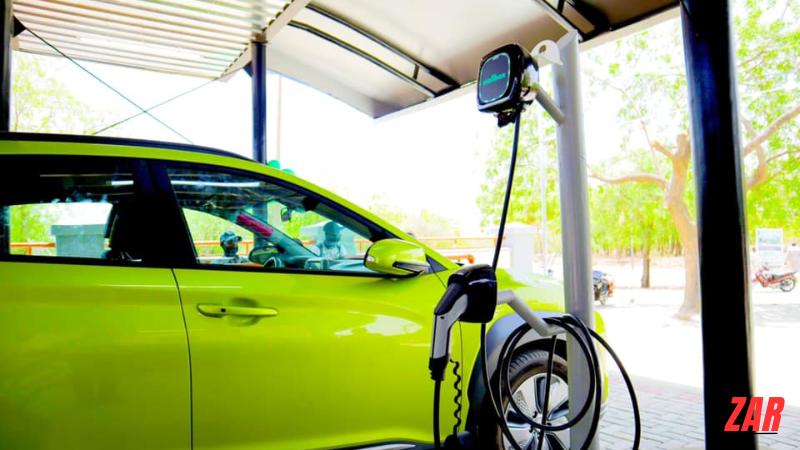
The more significant consideration is not the purchase price but the ownership environment. Nigeria’s public EV charging infrastructure remains early-stage, which means any Xiaomi owner would need a reliable home charging setup, ideally supported by solar or generator backup, to make daily use practical. Xiaomi has no service centers or authorized technicians in Nigeria, meaning mechanical or software issues would depend on independent EV specialists, and any parts requiring replacement would need to be sourced internationally, with the lead times that imply. Software updates, which are central to how Xiaomi manages and improves its vehicles over time, require consistent internet connectivity to function as intended. None of these are insurmountable challenges for a well-resourced early adopter, but they represent a material difference from purchasing a brand with an established local presence.
For most buyers in Nigeria, the practical recommendation is to monitor Xiaomi’s international expansion timeline and wait for either an official African distribution arrangement or a maturation of the local EV service ecosystem. The vehicles themselves are genuinely impressive, particularly the SU7 and YU7 at their Chinese price points, and the brand’s trajectory suggests they will become increasingly relevant globally. The question for Nigerian buyers is not whether Xiaomi makes good cars, but whether the local infrastructure currently exists to support owning one responsibly.
Conclusion
Xiaomi’s automotive lineup in 2026 represents one of the most credible cross-industry expansions in recent automotive history. The SU7 is a genuine Tesla Model 3 competitor that has already outsold it in China; the SU7 Ultra delivers hypercar performance at a price that disrupts the segment’s assumptions about what performance costs; and the YU7 broadens the lineup into the world’s most competitive EV segment with the technology depth and specification that Xiaomi’s engineering investment makes possible. The pricing strategy is consistent across all three models, aggressive, ecosystem-driven, and designed to capture buyers who value specification per dollar above brand heritage.
For Nigerian buyers, the interest is entirely understandable, and the vehicles warrant it. The practical barriers of infrastructure, servicing, and importation costs mean that early adoption carries real complexity. As Xiaomi moves toward its planned 2027 international launch and the local EV ecosystem continues to develop, that picture will improve. For now, the brand is worth watching closely because when the conditions are right, it is likely to arrive with considerable force.