Nigeria’s automotive scene just entered a new chapter, and it’s electric. Lagos-based automaker Nord Motion has officially launched its EV subsidiary, Tavet Motion, introducing three locally assembled electric vehicles built to tackle the country’s fuel and mobility challenges head-on.
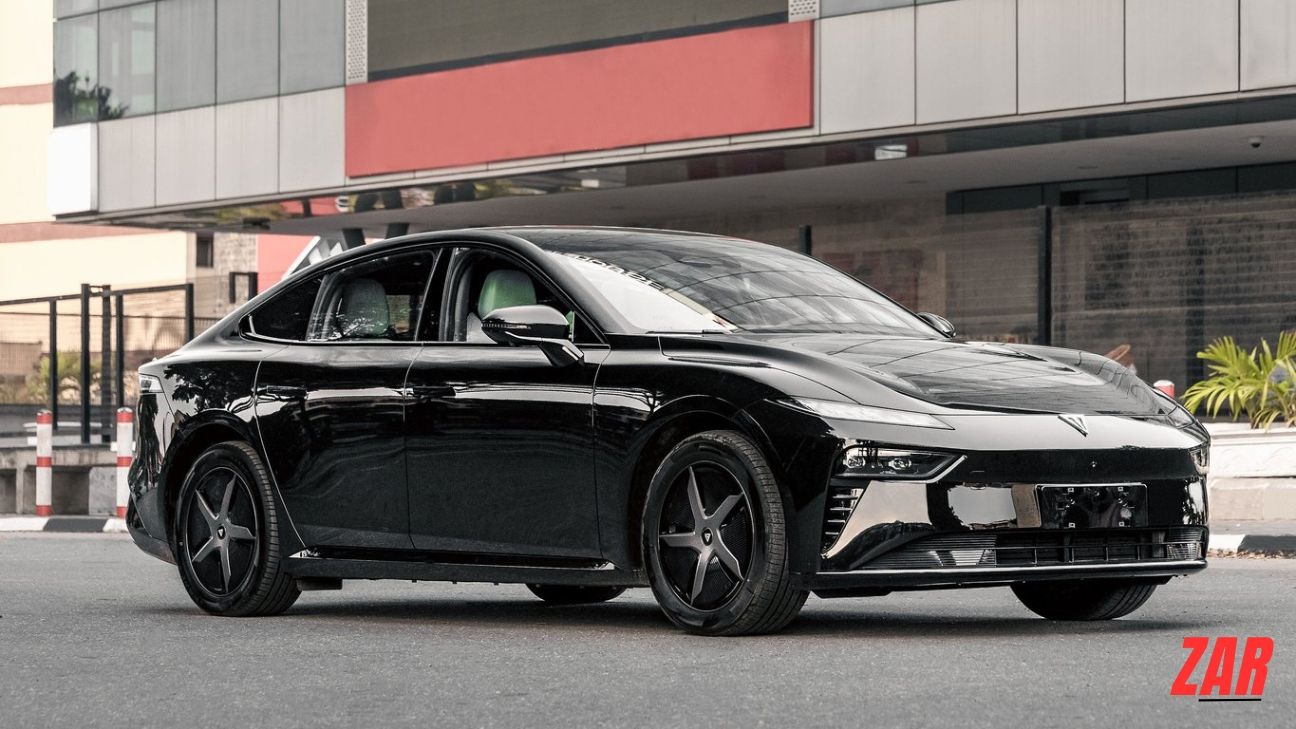
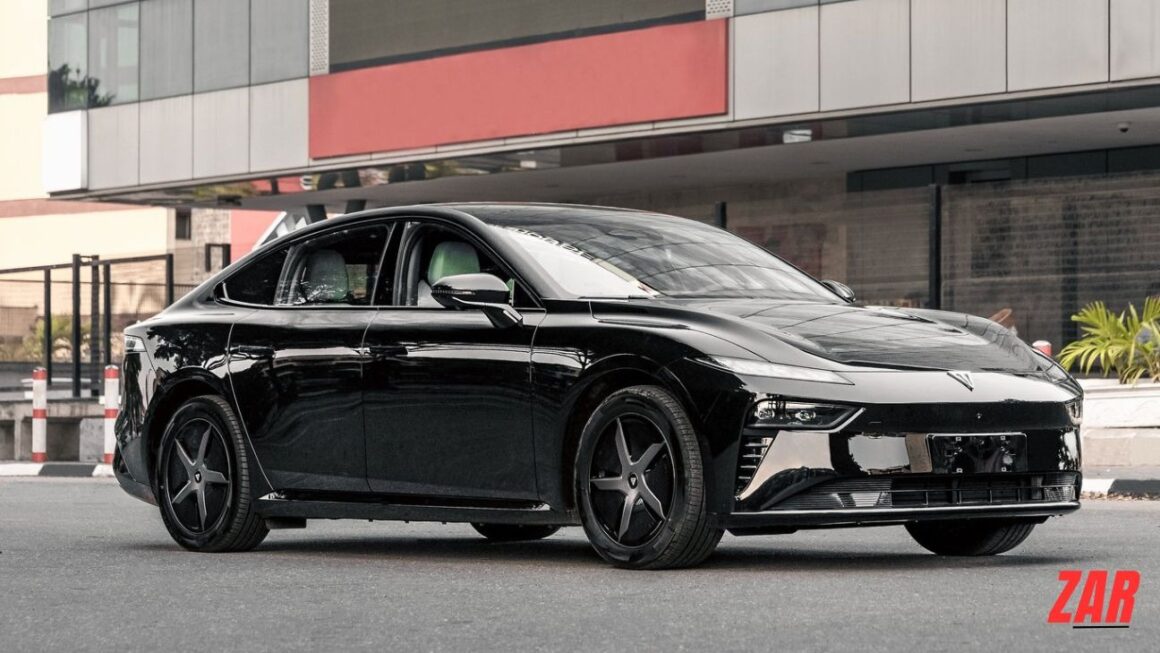
Announced in early November 2025 at the Oriental Hotel, Lagos, the launch unveiled the Tavet Luto, Tavet Garent, and Tavet Vant a compact sedan, a premium luxury model, and a commercial van each designed for African roads and urban realities. Prices range from around ₦16 million to ₦32 million, making Tavet one of the first serious attempts at affordable, made-in-Nigeria EVs.
Led by Oluwatobi Ajayi, Nord’s founder and a Forbes-recognized entrepreneur, Tavet Motion represents more than just new cars; it’s a push for national energy independence, local job creation, and reduced reliance on imported vehicles.
The event brought together key figures from government, the private sector, and the media as a statement of intent that Nigeria is ready to compete in the global EV race. Ajayi emphasized that Tavet is not just about innovation but about sustainability and inclusion: “We didn’t just launch cars, we launched a movement.”
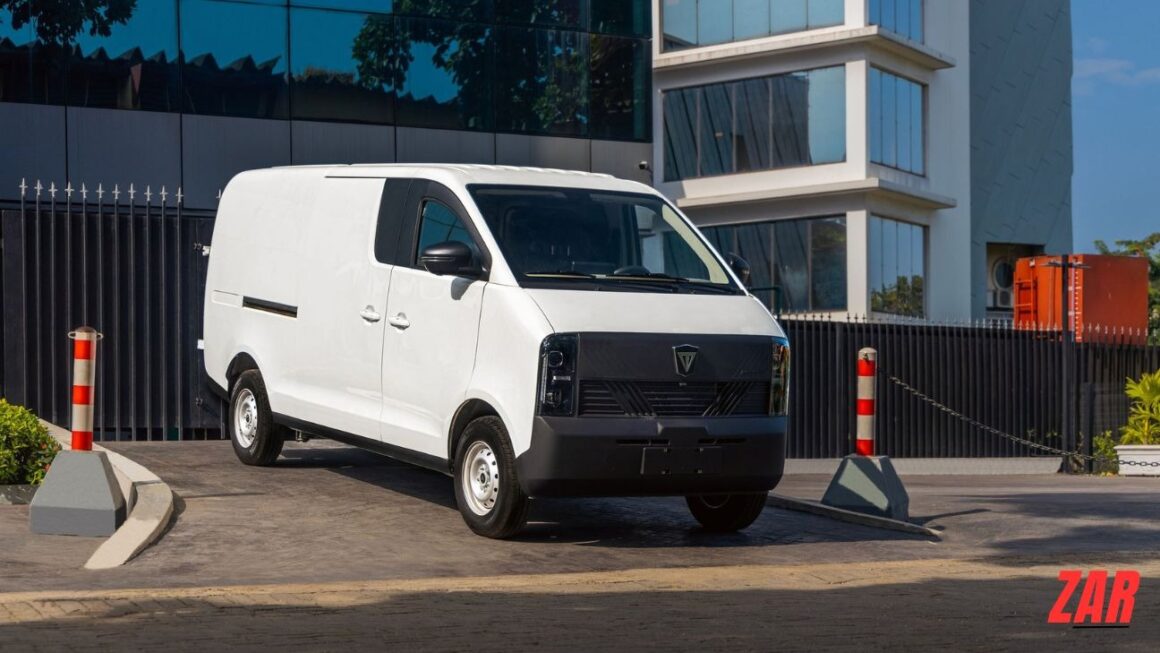
Built for Africa’s demanding terrain, the Tavet lineup caters to diverse needs. The Luto is a city-focused compact car optimized for urban commuting, offering up to 200 km on a single charge. The Garent the showstopper stretches range expectations with up to 1,200 km, rivaling international brands while keeping a price edge. Then there’s the Vant, a logistics-focused EV van with 305 km range and a payload capacity of 1,440 kg, ideal for SMEs and last-mile delivery.
All three models share key safety features including airbags, ABS, reversing cameras, hill-start assist, and intelligent driver aids like adaptive cruise control and lane-keeping assist on higher trims. Fast-charging capability allows the Tavet Vant, for example, to charge from 20–80% in 45 minutes, showcasing the brand’s focus on practicality over hype.
Inside, Tavet vehicles balance simplicity and tech 15.6-inch digital displays, automated braking systems, and comfort-oriented interiors point toward a future where Nigerian drivers enjoy innovation without breaking the bank.
While early reports hinted at CNG compatibility, Nord has clarified that only its non-EV lineup supports that feature. The Tavet range is fully electric, with no hybrid or dual-fuel systems signaling a clear commitment to zero-emission mobility.
Beyond the cars, the bigger story lies in infrastructure and sustainability. Tavet Motion is partnering with renewable energy firms to deploy solar-powered charging stations across Nigeria, addressing one of the main barriers to EV adoption. Analysts estimate the brand could capture up to 15% of Nigeria’s emerging EV market within two years, driven by local production and lower maintenance costs.
Ajayi’s own journey mirrors the project’s ambition. Born in 1988, he studied at Olabisi Onabanjo University before pivoting into the auto sector and founding Nord Automobiles in 2016. Recognized by Forbes Africa’s “30 Under 30”, he’s built Nord from scratch into a brand known for assembling durable vehicles for African roads. With Tavet, he’s extending that legacy into clean energy and tech innovation.
Challenges remain. Charging networks are limited, electricity supply is unstable, and EV adoption will take time. But Tavet Motion’s local assembly strategy, which already uses up to 40% Nigerian-sourced components, positions it well to overcome these barriers and inspire new supply-chain investments in batteries, software, and clean tech.

The Tavet Motion launch isn’t just another corporate announcement, it’s a signal that Africa’s most populous nation is ready to electrify its future on its own terms. With government support, infrastructure rollout, and sustained innovation, this could mark the start of Nigeria’s homegrown EV revolution.
For now, the message is clear: the future of mobility in Nigeria won’t be imported, it’ll be made here.