In Nigeria, a family car is rarely just a vehicle, as it is essential to the activities of everyday life. From early morning school runs through heavy traffic to weekend trips for church or mosque, and the inevitable village travels during holidays, a family car endures a workload few vehicles elsewhere experience. It serves as a school bus, a goods carrier, and, at times, a refuge during long, exhausting commutes.
Choosing the right family car has therefore become a high-stakes decision. With petrol prices stretching household budgets and road conditions worsening in many areas, the wrong choice can quickly turn convenience into financial strain. Today’s Nigerian family needs a vehicle that delivers on three non-negotiables: fuel efficiency to manage running costs, rugged durability to survive potholes and flooding, and safety to protect loved ones.
What Defines a Family Car
For most nuclear families, a 5-seater sedan or crossover represents the absolute baseline, but claiming seating for five is often a technicality rather than a comfortable reality. A true family vehicle must offer a rear bench wide enough to accommodate three school bags, two teenagers, and perhaps a car seat without sparking territorial disputes. If the middle seat is merely an uncomfortable hump on the floor with minimal cushioning, it completely fails the Nigerian family test. For larger households or those frequently traveling with grandparents, nannies, and extended relatives, the 7-seater has naturally become the gold standard across the country.
However, the true definition of space in these larger vehicles gets tricky because a usable third row cannot just be a pair of cramped jump seats designed for toddlers. It requires accessible entry for adults and dedicated air conditioning vents to effectively combat the intense midday heat. Critically, seating flexibility matters just as much as overall passenger capacity. The ability to fold the rear seats flat is essential for those busy weekends when the vehicle must transform from a people carrier into a cargo hauler accommodating heavy luggage. A family car that cannot instantly adapt its interior space to fit both passengers and bulk provisions is simply an impractical luxury very few can afford today.
Budget-Friendly Cars (₦3M – ₦5M)
1. Toyota Sienna (2004–2010)
If there is a default vehicle for the Nigerian family, the Toyota Sienna is undoubtedly it. Often revered locally as the ultimate Space Bus, this minivan dominates the school run and village trip circuit because it offers something no SUV can match by providing true walk-through cabin space with adult-friendly seating in all three rows. Its defining feature of sliding doors transforms chaotic school drop-offs into safe and manageable events, allowing children to exit directly onto the curb rather than into oncoming traffic.
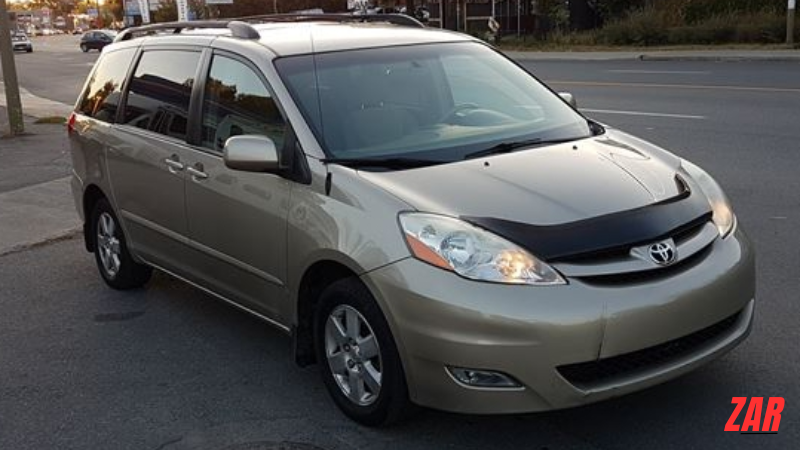
However this incredible utility comes with a necessary financial reality check. While the V6 engine cruises efficiently on the Lagos Ibadan expressway it is undeniably thirsty in heavy stop and go city traffic averaging about 8 to 10 kilometres per litre. In the current market a budget of ₦3,500,000 to ₦5,000,000 will likely land you a decent Nigerian used unit as clean Tokunbo models have completely priced themselves out of this bracket. Prospective buyers must also be prepared for specific age-related quirks like power sliding door cables that are prone to snapping and dashboards that notoriously crack under the harsh Nigerian sun, though these remain small prices to pay for such unbeatable everyday practicality.
2. Honda Pilot (2003–2008)
For families navigating the challenging terrains of deeper parts of Lagos, the Honda Pilot stands as the Boxy Road Warrior, offering a rugged budget-friendly alternative for those who need Prado-like capability without the premium price tag. Built like a tank its squared off design maximizes interior headroom and officially seats eight although the third row is noticeably tighter than what you would find in a Sienna. Its real strength lies in the All Wheel Drive system which navigates muddy rainy seasons and unpaved roads with a confidence that standard sedans simply cannot match.
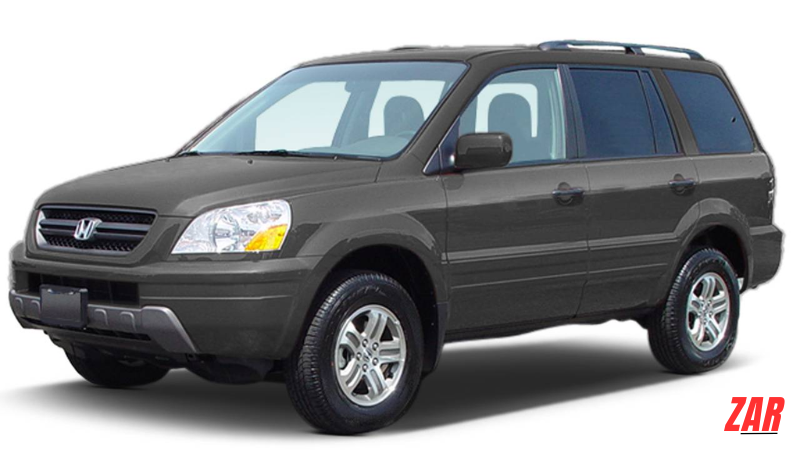
This durability comes at the cost of fuel efficiency because the powerful 3.5L V6 engine is thirsty and averages just 7 to 9 kilometres per litre in city driving. In the current market your money will likely secure a very clean Nigerian used or perhaps a decent Tokunbo model but buyers must remain vigilant as these units are notorious for catalytic converter issues that trigger permanent check engine lights, and any sign of dark or burnt transmission fluid should be an immediate deal breaker.
3. Toyota Camry (2007–2011)
Not every Nigerian family needs a bus to navigate the daily grind. For households of four or five the Muscle Camry remains the most sensible sedan money can buy offering a big car feel without the bulk of an SUV. Its spacious rear seat easily accommodates three children side by side while the boot is cavernous enough to swallow a week worth of groceries or the luggage for a family trip to the village. Crucially in a time of soaring fuel prices the 2.4L four cylinder engine shines with an impressive 10 to 13 kilometres per litre making it far cheaper to run than the thirsty Sienna or Pilot.
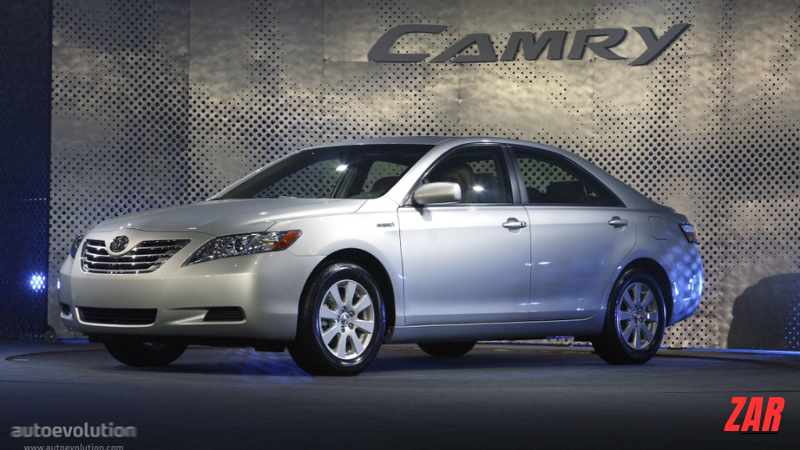
In the current market, a budget of ₦3,500,000 to ₦5,000,000 secures a very clean registered model, though buyers must be vigilant during inspection because these specific engines are notorious for burning oil, making a dipstick check absolutely mandatory. Additionally, while the infamous melting dashboard is common and unsightly, it is purely cosmetic and does not affect the reliability that makes this car a staple of Nigerian roads.
4. Toyota RAV4 (2001–2005)
For urban families caught between the desire for the presence of an SUV and the lower running costs of a sedan the second generation Toyota RAV4 hits the perfect middle ground. Often called the Sweet Spot SUV it offers the crucial ground clearance needed to navigate flooded streets and climb curbs while remaining compact enough to squeeze into tight market spaces where larger vehicles struggle.
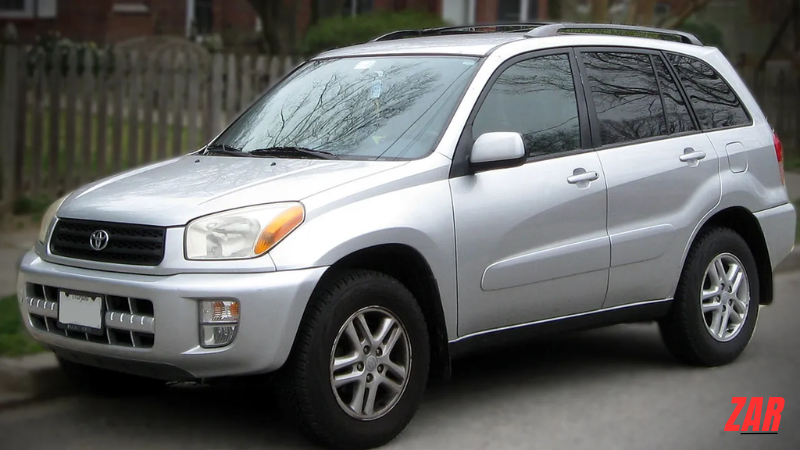
With a fuel economy of approximately 9 to 11 kilometres per litre, it is significantly cheaper to run than a V6 Pilot or Sienna, and a budget of ₦3,000,000 to ₦4,500,000 will securely land you a solid Nigerian used model. However, buyers must be highly vigilant during the test drive because the early models are infamous for Engine Control Unit failures that cause harsh, jerky gear shifts, so you must ensure the transmission operates flawlessly before handing over any cash.
B. Mid-Range Family Car (₦5M – ₦10M)
5. Toyota Highlander (2008–2013)
For the family that has outgrown the compact RAV4 but is not quite ready to embrace the bulk of a minivan, the Toyota Highlander is the definitive upgrade. Often called The Carton due to its boxy yet refined shape, it beautifully bridges the gap between rugged utility and executive presence, offering a ride quality that is noticeably smoother and quieter than the Honda Pilot, feeling almost Lexus-lite in its cabin silence.
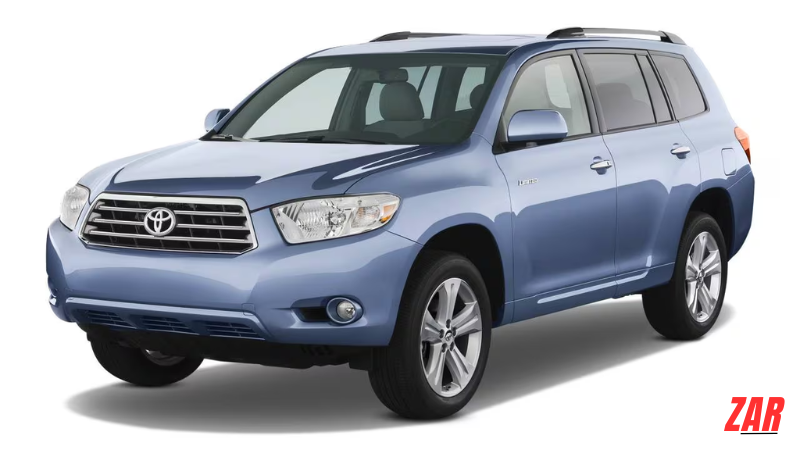
While the third row is best reserved for children the rest of the interior feels premium enough for the office car park yet durable enough for weekend family outings. Fuel economy varies significantly by engine choice with the 2.7L four cylinder version proving surprisingly efficient for its size whereas the powerful V6 remains thirsty in Lagos traffic. A budget of ₦6,000,000 to ₦9,000,000 will secure a clean Nigerian used model making it a brilliant choice for executives balancing professional image with true family practicality.
C. Premium Family Cars (₦10M+)
6. Lexus RX 350 (2010–2015)
The Lexus RX 350 is arguably the most ubiquitous luxury SUV on Nigerian roads, earning it the popular nickname The Lagos Uniform. It completely dominates the premium family segment because it masterfully combines the bulletproof reliability of a Toyota with genuine high-end comfort. Inside the cabin is whisper quiet, the leather is plush, and the air conditioning is legendary for its freezing capability, which is essential for the intense Lagos heat.
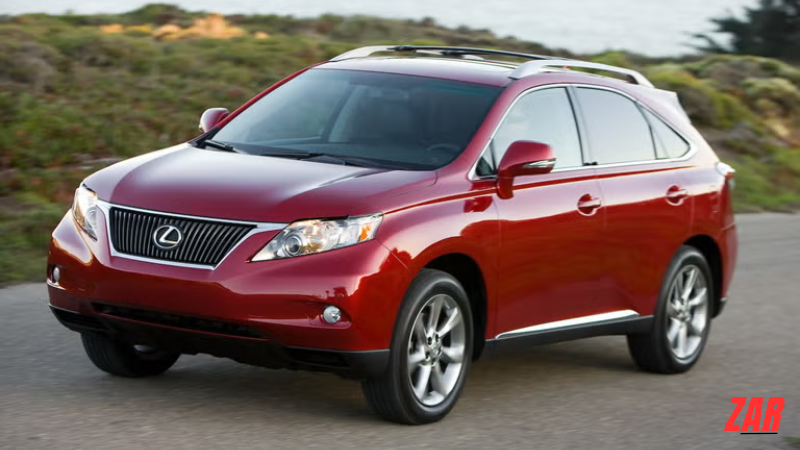
It strikes a rare balance by signaling professional success while remaining rugged enough to withstand potholes that would quickly ruin a delicate German competitor. For the high income family that demands status and comfort without the mechanic headaches associated with a BMW X5 or Mercedes ML the RX 350 remains the absolute default worry free choice.
7. Toyota Prado (2010+)
The Toyota Prado is not just a family vehicle; it is “The Tank,” the ultimate symbol of dominance on Nigerian roads. Its reputation is built on sheer indifference to terrain; while other SUVs slow down for potholes, the Prado simply ignores them, thanks to a suspension system that feels built for war.
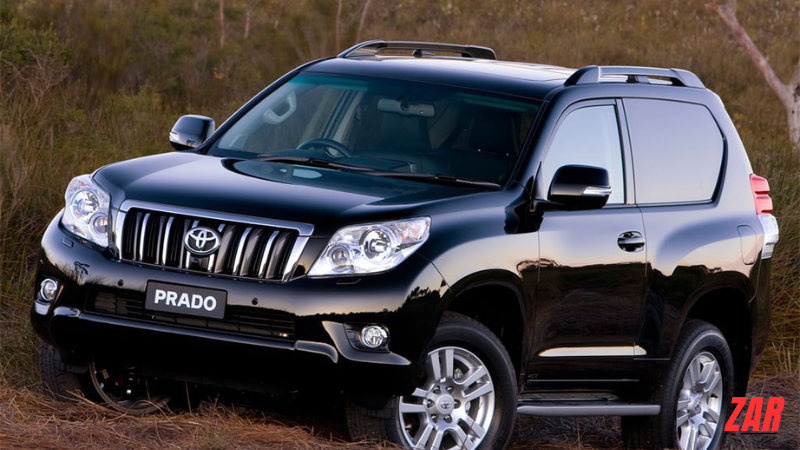
Inside, it offers genuine practicality for the adventurous family, featuring seven robust seats and, in many trims, a center console fridge that is a lifesaver on long interstate journeys. For families living in developing estates with non-existent roads or those who frequently travel across states, this is the safest, most indestructible bet money can buy, offering peace of mind that no luxury sedan can match.
Buying Guide: What to Look For
Buying a used car in Nigeria is a precise game of details where the difference between a lucky buy and a massive money pit often comes down to a rigorous physical inspection. To navigate this minefield safely you should never view a car alone and must always bring a trusted mechanic who specifically specializes in that brand.
- The First Start Rule: Insist the seller does not warm up the car before you arrive. You want to hear a cold start where any rattling noises blue smoke or difficulty turning over will immediately reveal hidden engine faults.
- Fluid and AC Checks: Once the bonnet is up check the fluids. If the oil looks like a milkshake the head gasket is blown and if the transmission fluid smells burnt the gearbox is dying. Crucially test the air conditioning under the hot sun. If it does not get freezing cold within two minutes of idling assume the compressor is dead and instantly budget at least ₦150,000 for repairs.
- Documentation Verification: A car without genuine papers is merely expensive scrap metal. For Tokunbo vehicles demand to see the original Custom Duty papers and verify the reference number to ensure the car was not smuggled. Cross reference the Vehicle License and Proof of Ownership with the seller ID and if the chassis numbers do not match the documents perfectly you must walk away immediately.
- The Real Life Test Drive: Do not just drive around the block but simulate your real life instead. Bring the family along because a car handles very differently with 300kg of passengers. Perform a speed bump test by driving over rough patches with the windows down to listen for the tell tale clunking of worn suspension components.
- Identifying Red Flags: If you see a mess of random wires taped together under the bonnet it means a roadside mechanic has bypassed factory sensors. Perform the bulb check by turning the ignition on without starting the engine to ensure the Check Engine ABS and Airbag lights all glow otherwise the seller may have removed the bulbs to hide expensive faults.
- Negotiation Strategy: When you are ready to buy use your inspection findings as leverage. Flaws like worn tires or weak AC are your best bargaining chips so always start your offer 10 to 15 percent lower than your actual budget to give the seller room to negotiate.
Final Verdict
Choosing a family car in Nigeria today is strictly about strategic planning rather than chasing social status. With fuel prices remaining unpredictable and economic pressure constantly mounting your vehicle must remain a reliable asset rather than a financial liability. It should quietly support daily school runs, effortlessly handle holiday village trips, and keep your loved ones completely safe without requiring constant visits to the mechanic.
Whether you lean toward the rugged practicality of a Toyota Sienna, the budget-friendly reliability of a Camry or the supreme confidence of an SUV like the Honda Pilot, the right car is simply the one that perfectly fits your budget and your daily reality. Take your time, prioritize mechanical health over shiny paint, and never skip a proper inspection. In 2026, a well-chosen Nigerian used car will serve you far better than a flashy Tokunbo that practically lives at the workshop, so choose wisely and, most importantly, drive safely.