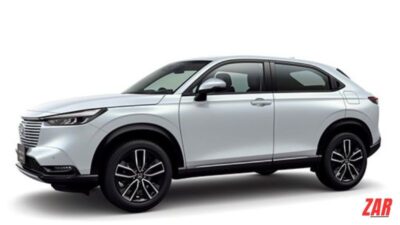
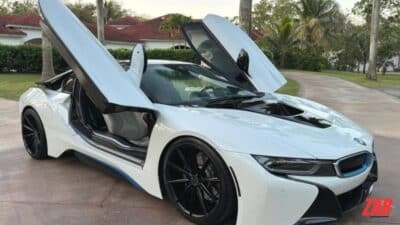
The Nigerian electric vehicle transition is no longer a speculative future; it is an active and rapidly evolving reality. Accelerated by the disruptive removal of the petrol subsidy in May 2023, which severely inflated fuel prices and made EV running costs incredibly attractive alongside the influx of affordable Chinese brands like BYD and Geely, electric mobility is gaining genuine traction in everything from ride-hailing fleets to local assembly lines. However, this ambitious shift is currently wrestling with significant structural challenges, including an unreliable national electricity grid, sparse charging infrastructure outside major hubs like Lagos and Abuja, and a critical shortage of specialized technicians. Despite these hurdles, the economic pressure to reduce Nigeria’s $10 billion annual fuel import burden makes the EV transition an undeniable necessity rather than a mere environmental preference.
To support this technological shift, the Nigerian government is systematically assembling a foundational policy architecture. The pivotal Electric Vehicle Transition and Green Mobility Bill of 2025 aims to transform the country into a regional EV manufacturing hub by mandating charging points at existing fuel stations and enforcing strict local content laws backed by heavy fines. This legislative push is supported by critical fiscal measures, notably the 2024 Customs duty exemptions on EVs and steel imports, which directly address the steep acquisition costs that historically stalled adoption. Guided by the National Automotive Design and Development Council’s ambitious target to ensure 30% of all locally sold vehicles are manufactured EVs by 2033, Nigeria’s regulatory framework is evolving quickly to accelerate the market’s trajectory over the coming decade.
Electric Cars Available in Nigeria
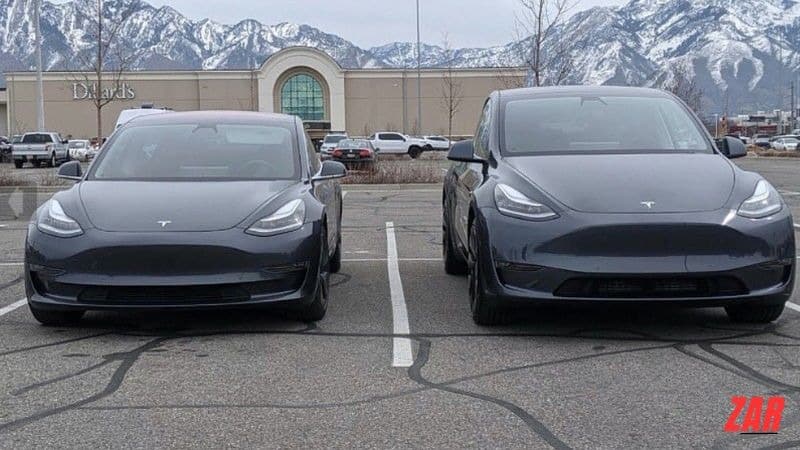
Tesla Model 3 and Model Y
Leading Nigeria’s premium EV segment, the Tesla Model 3 is currently priced between ₦25 million and ₦30 million, delivering a 430-kilometre range and serving as the ultimate aspirational vehicle for upper-middle-class professionals. Because Tesla’s proprietary Supercharger network does not exist in Nigeria, owners rely on home solar inverter installations for Level 2 AC charging, restricting practical use to predictable daily commuting. For buyers requiring better ground clearance to tackle rough Nigerian roads, the Model Y SUV variant is increasingly popular, typically commanding a premium of ₦5 million to ₦8 million above the Model 3.
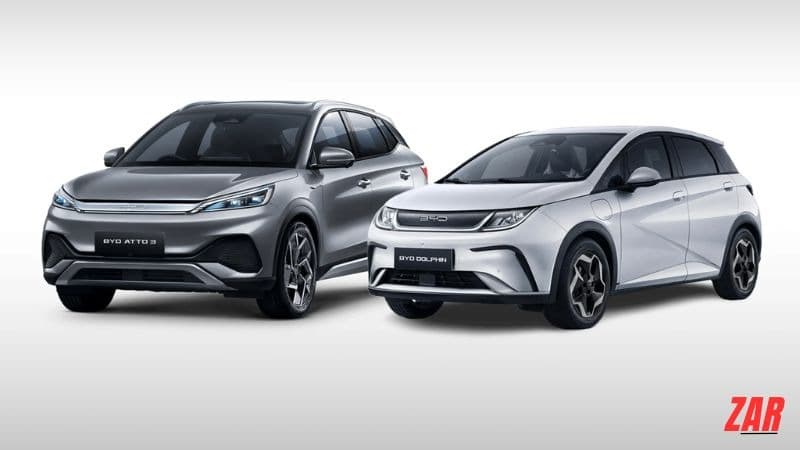
BYD Models (ATTO 3, Dolphin, and E1)
BYD operates as the most systematically structured EV brand in Nigeria through its official LOXEA partnership, providing critical after-sales support and dedicated charging hubs. Their lineup is led by the ATTO 3, a practical mid-size SUV offering a 420-kilometre range priced roughly between ₦28 million and ₦45 million depending on trim. For budget-conscious buyers, BYD offers the Dolphin hatchback featuring industry-leading Blade Battery technology priced between ₦22 million and ₦25 million, alongside the entry-level BYD E1, which delivers a 300-kilometre urban range for an accessible ₦12 million to ₦14 million.
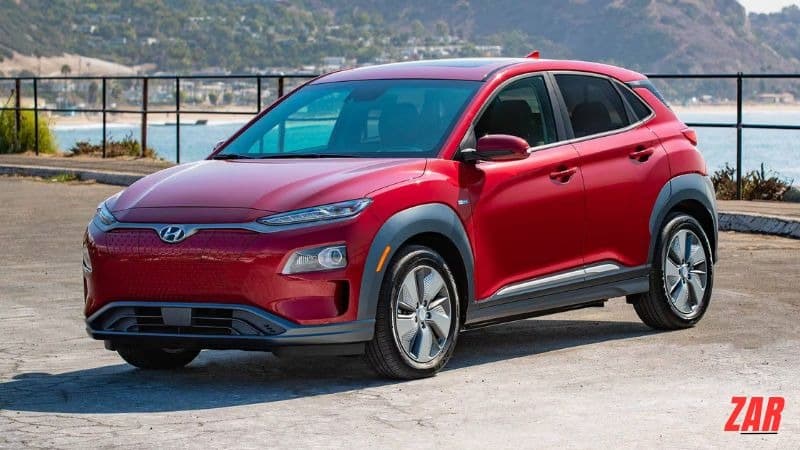
Hyundai Kona Electric
The Hyundai Kona Electric perfectly balances price, range, and SUV practicality, making it a recommended choice for urban professionals. Priced between ₦18 million and ₦22 million, it delivers a solid 400 kilometre range per charge and can be fully replenished overnight in about nine hours using a standard home charger. Its compact SUV body style confidently handles varied Nigerian road conditions, while Hyundai’s established brand presence, bolstered by localized awareness through CIG Motors, provides buyers with a reassuring level of familiarity.
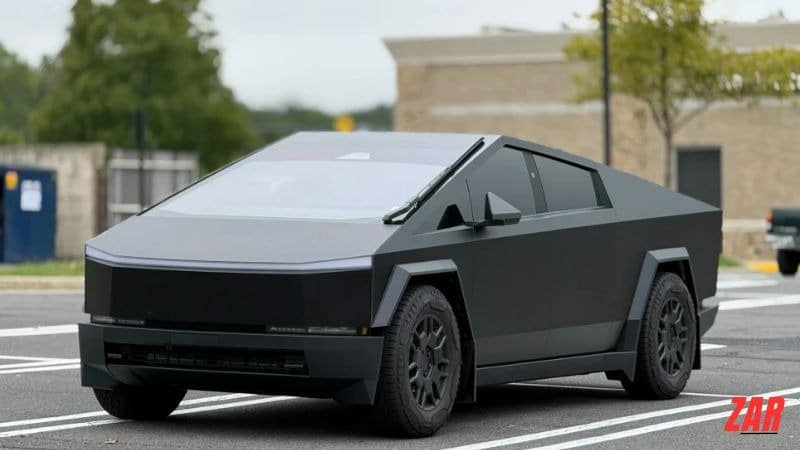
Tesla Cybertruck
The Tesla Cybertruck represents the most visually polarizing and extreme electric vehicle currently navigating Nigerian roads, brought in exclusively through private importers for wealthy enthusiasts rather than any official distribution channel. Sporting an unmistakable angular stainless steel exoskeleton and massive road presence, this electric pickup is priced exorbitantly between ₦250 million and ₦400 million depending on the specific trim and importation costs. While it boasts blistering acceleration and a rugged air suspension system capable of handling degraded local terrain, owners face identical infrastructure limitations as Model 3 buyers, relying entirely on specialized home charging setups since the vehicle’s massive battery pack and complete absence of a local Supercharger network make extended travel outside major cities highly impractical.
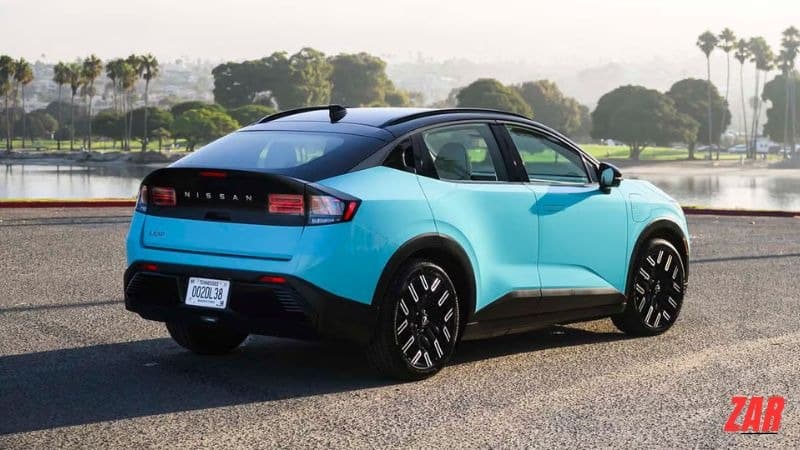
Nissan Leaf
The Nissan Leaf dominates the tokunbo or foreign used secondary EV market, with older 2015 to 2019 models frequently arriving through informal import channels. Priced between ₦15 million and ₦18 million, it officially offers a 270-kilometre range and a 7.5-hour home charging time. While its simpler architecture makes it less intimidating for local mechanics transitioning to EV service, buyers must account for severe range anxiety outside urban centers, as multi-year battery degradation means these used examples will inevitably fall short of their original factory range estimates.
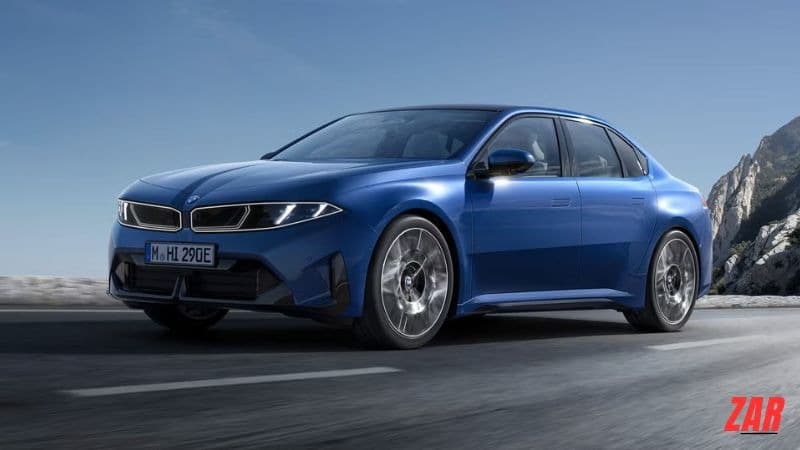
BMW i3
Available in both standard and sport i3s trims with premium features like LED lights and Apple CarPlay, the BMW i3 is a stylish urban commuter typically listed locally between ₦38 million and ₦84 million, depending on the year and exact specifications. Because its pure electric range is restricted to roughly 153 kilometres on a full charge, it faces practical constraints for standard Nigerian drivers. Consequently, buyers must hunt for models equipped with the optional petrol range extender, which is a small two-cylinder engine that recharges the battery on the go to effectively eliminate range anxiety and make the vehicle a viable daily driver.
Major Challenges Facing Electric Cars in Nigeria
While the momentum is undeniable, owning and operating an electric vehicle in Nigeria currently requires navigating several distinct structural hurdles:
- Unreliable National Grid: The chronic instability of Nigeria’s primary power grid forces EV owners to rely heavily on expensive and privately owned solar inverter systems for daily home charging.
- Sparse Public Infrastructure: Outside of dedicated hubs in premium areas of Lagos and Abuja, public DC fast charging stations are virtually non-existent, making intercity travel or long road trips unviable for pure EVs.
- Severe Technical Skills Gap: Nigeria’s extensive network of traditional roadside mechanics is unequipped to handle high-voltage EV drivetrains. Buyers without access to authorized dealership workshops face immense risks regarding repairs and battery diagnostics.
- High Acquisition Costs: Despite savings on running costs and recent import duty exemptions, the sheer upfront purchase price of a reliable EV remains firmly out of reach for the vast majority of the Nigerian working class.
Viability, Maintenance, and the Future of Nigerian EVs
As of 2026, maintaining an electric vehicle in Nigeria is viable for a specific demographic, though it currently lacks the nationwide convenience of traditional petrol mechanics. Specialized service centers driven by commercial fleet operators and brands like BYD and CIG Motors are rapidly expanding across Lagos and Abuja, supported by active technician certification programs designed to close the technical skills gap. Parallel to this, local assembly operations are laying the groundwork for a robust domestic industry, strategically positioned to eventually leverage Nigeria’s untapped lithium reserves for regional export under the African Continental Free Trade Area. Ultimately, an EV is a financially compelling choice today for high-mileage urban drivers and corporate fleets equipped with home solar charging and proximity to these authorized service hubs. Conversely, buyers relying on the fragile national grid or frequently traveling intercity routes without fast charging infrastructure should remain cautious.
Looking toward 2030, Nigeria’s ambitious Energy Transition Plan targets nearly 200,000 EVs on the road, supported by a significantly expanded public charging network. While achieving these official numbers requires sustained infrastructure investment, the realistic market trajectory is already locked in. The immediate future will see concentrated charging hubs in major economic centers, active EV adoption by commercial ride-hailing fleets, and the steady maturation of local assembly plants. The national transition to electric mobility is no longer a speculative experiment; the direction is permanently set, and the coming years will simply dictate the pace at which this technology scales across the broader Nigerian automotive landscape.