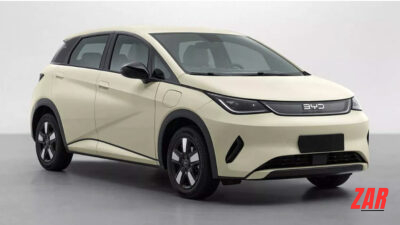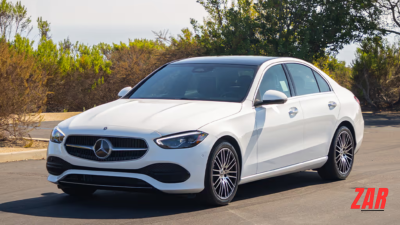
To the casual observer, the badges on the rear of a Mercedes-BenzC 300, GLE 450, or AMG G 63 might look like a random assortment of alphabet soup. However, in the world of the “Three-Pointed Star,” every letter and digit is a calculated piece of a hierarchical puzzle.
Mercedes-Benz car model names follow a rigorous alphanumeric system that blends German linguistic roots, historical heritage, and a precise engineering philosophy. Understanding these names isn’t just for enthusiasts; it provides a clear map of a vehicle’s size, engine capability, and luxury status. This guide decodes the language of Mercedes-Benz from its 19th-century origins to its electrified future.
The Genesis: A Young Girl and a Pioneer
Before understanding the “Classes,” one must look at the brand’s dual-identity origins. The name Mercedes-Benz is a marriage of two distinct automotive legacies.
- Mercedes: This honors Mercédès Jellinek, the daughter of Austrian businessman and racer Emil Jellinek. Jellinek promoted Daimler-Motoren-Gesellschaft (DMG) cars in the early 1900s and insisted on naming models after his daughter for luck. The name became a protected trademark in 1902.
- Benz: This stems from Karl Benz, the man credited with patenting the first practical internal combustion automobile, the Benz Patent-Motorwagen, in 1886.
In 1926, the two companies merged to form Daimler-Benz AG. They combined the Benz laurel wreath with the Daimler three-pointed stara symbol representing their engines’ dominance over land, sea, and air. This heritage adds a layer of history to every modern sedan; you aren’t just driving a luxury car; you’re driving a 120-year-old lineage.
The Evolution: From Liters to Logic
The naming system has undergone three major eras, reflecting how the brand transitioned from a niche manufacturer to a global luxury powerhouse.
- Pre-1994 (The Displacement Era): During this time, names were primarily numeric. A 300 E meant a 3.0-liter engine. Suffixes were essential: E stood for Einspritzung (fuel injection), D for Diesel, and L for Lang (long wheelbase). It was simple, but as engine technology evolved, displacement no longer told the full story of power.
- 1994 – 2014 (The Class System): The modern “Class” system was born to simplify a sprawling lineup. Mercedes shifted the letters to the front (e.g., E 320 instead of 300 E) to signify the vehicle’s “Class” or market segment first, followed by the engine size.
- 2015 Rationalization (The Great Cleanup): By 2014, the SUV boom had created a naming mess (ML, GLK, GL). Mercedes realized they needed a “Logic Ladder.” They aligned SUVs and Roadsters with their sedan counterparts using prefixes. Now, a GLC is the “C-Class of SUVs,” and a GLE is the “E-Class of SUVs.”
Today, the numbers no longer represent exact engine displacement. Instead, they indicate a performance tier. A C 300 typically houses a 2.0L Turbo engine, but it performs at a level the brand deems the “300” tier relative to its siblings.
The Core Classes: The Luxury Ladder
The core letters form the foundation of the brand’s hierarchy, moving from entry-level accessibility to flagship opulence.
A-Class (The Entry Point)
The “A” traditionally stands for “Advanced” or simply the start of the luxury alphabet. It is the youthful, tech-forward entry into the brand, designed for those who want the prestige of the star in a compact package.
B-Class (The Practical Compact)
Rare in some markets but popular in Europe, the B-Class is a compact MPV (Multi-Purpose Vehicle). It follows the A-Class logically, providing more headroom and family-oriented space without moving up to a full executive sedan size.
C-Class (The “Kompakt” Executive)
Historically linked to the word Kompakt, the C-Class is the “bread and butter” of the brand. It balances sportiness and comfort. For many owners, the C-Class is their “first Mercedes,” marking a significant milestone in the luxury market.
E-Class (The Executive Standard)
Originally standing for Einspritzung (Fuel Injection) in the era when that was a premium feature, “E” is now firmly the Executive class. It is the mid-sized “Sweet Spot” of the lineup large enough for a chauffeur but engaging enough for a driver.
S-Class (The Special Class)
The Sonderklasse (German for “Special Class”). This is the flagship. The S-Class is a rolling laboratory of innovation. Features that appear here (like airbags or advanced autonomous assistance) usually take a decade to reach standard cars. It is the global benchmark for success.
G-Class (The Off-Road Icon)
The Geländewagen (cross-country vehicle). Originally a military workhorse, the “G-Wagon” has become a cultural icon. It remains the only model to keep its original naming roots, signifying its status as a vehicle that can go anywhere while being draped in luxury.
The SUV Family: The GL Prefix Expanded
To navigate the SUV boom, Mercedes uses the GL prefix. The “G” pays homage to the original Geländewagen (G-Class), while the “L” acts as a linkage letter. This prefix is followed by the core class letter (A, B, C, E, S) to indicate the size and luxury level.
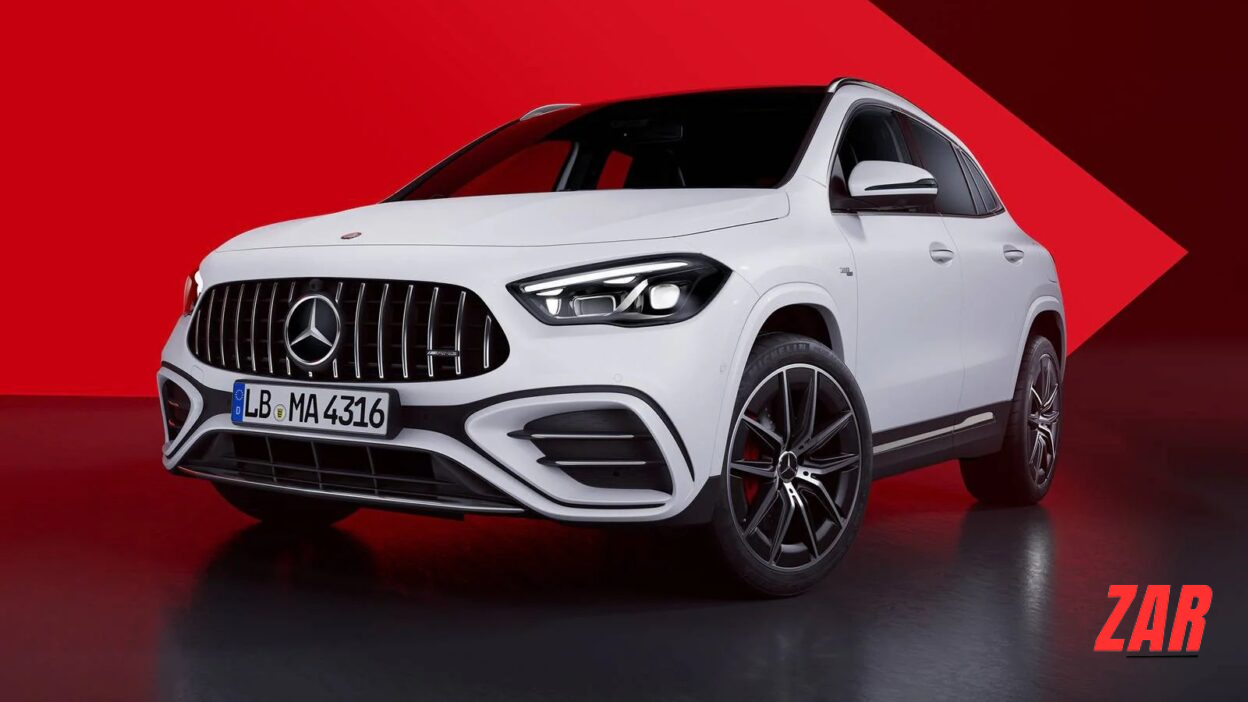
- GLA (The Subcompact): This is the SUV equivalent of the A-Class. It is built on a front-wheel-drive architecture and caters to urban commuters who want a higher seating position but a small footprint.
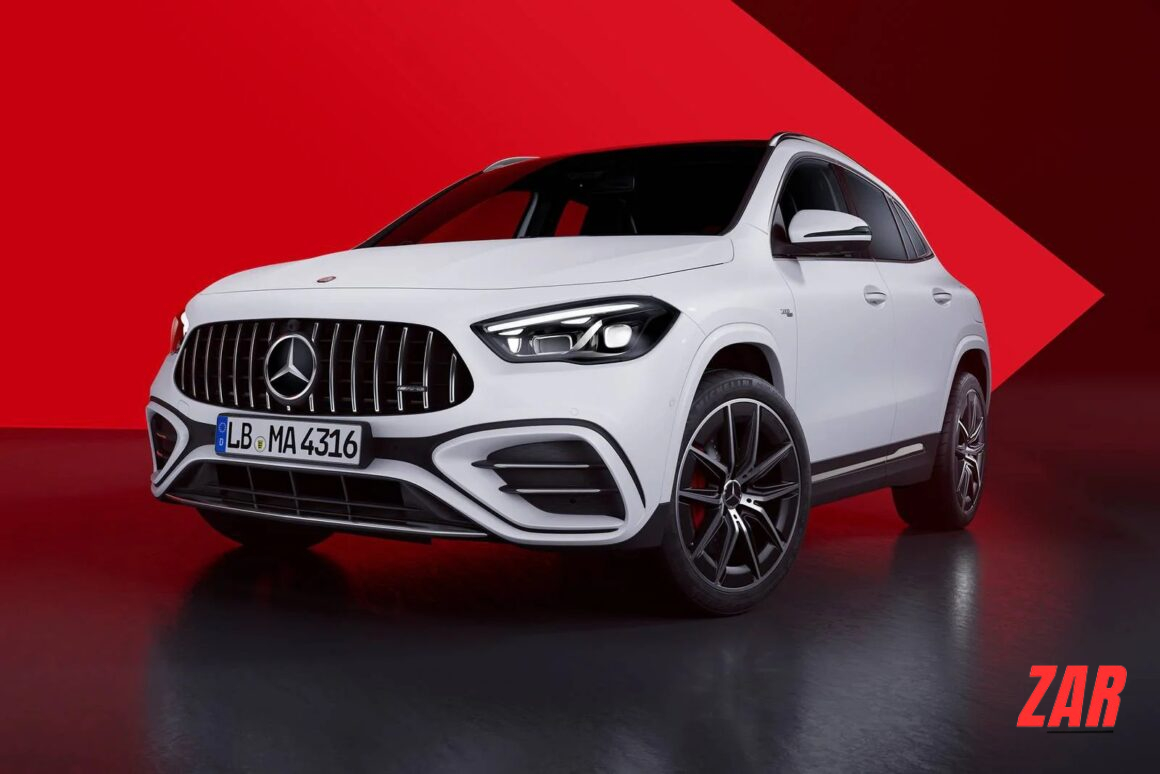
- GLB (The Boxy Versatile): Influenced by the B-Class, the GLB is unique for its boxy, mini-G-Wagon aesthetic. Despite its compact size, its naming meaning centers on “space,” often offering a third row of seats that its sibling, the GLA, lacks.
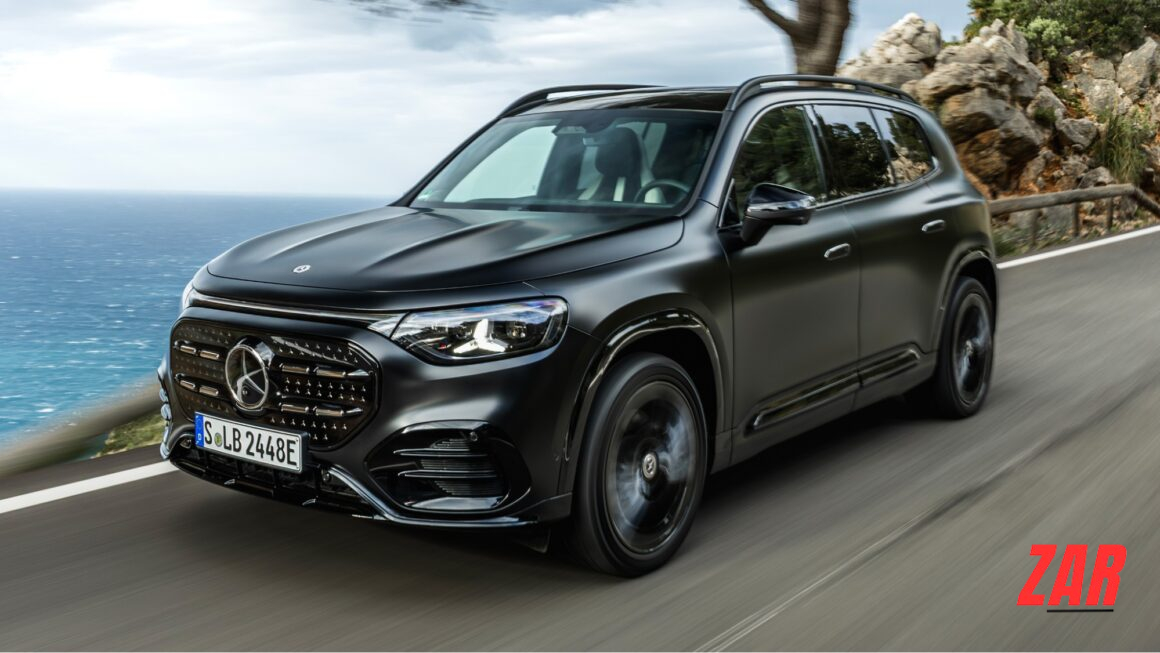
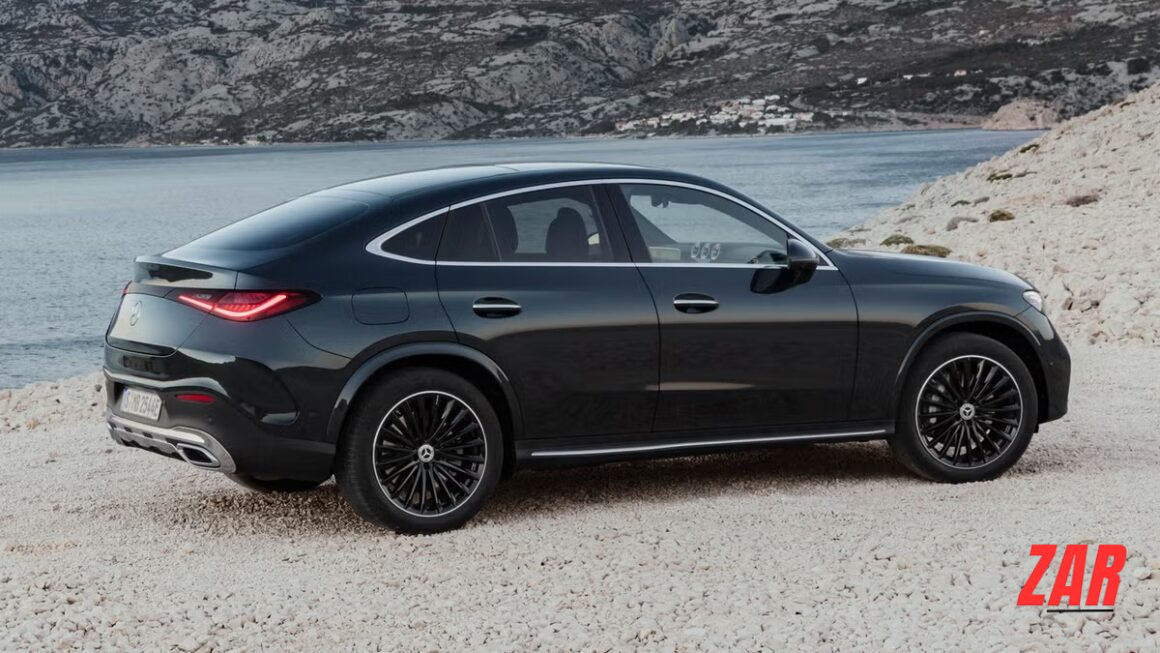
- GLC (The Mid-Size Favorite): Aligned with the C-Class, this is the brand’s best-selling SUV globally. It represents the “Compact Luxury” tier, balancing agile handling with a high-end interior.
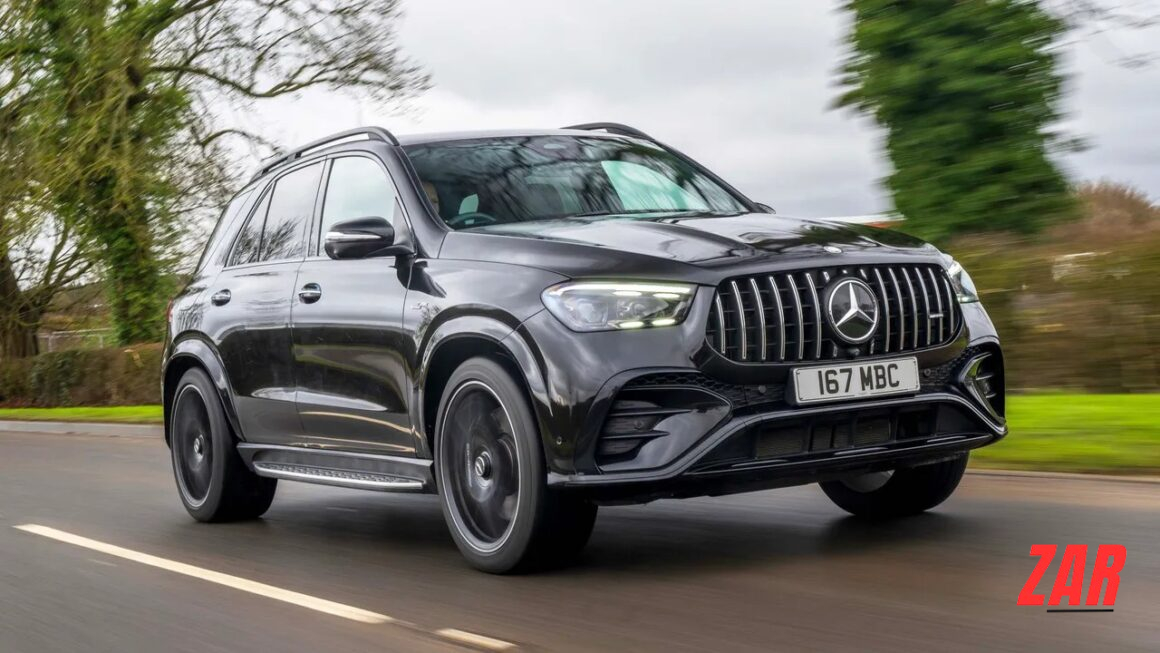
- GLE (The Executive Workhorse): Formerly known as the M-Class (or ML), it was renamed in 2015 to align with the E-Class. It offers significant towing capacity, air suspension options, and a much larger cabin, marking it as the “Executive” SUV.
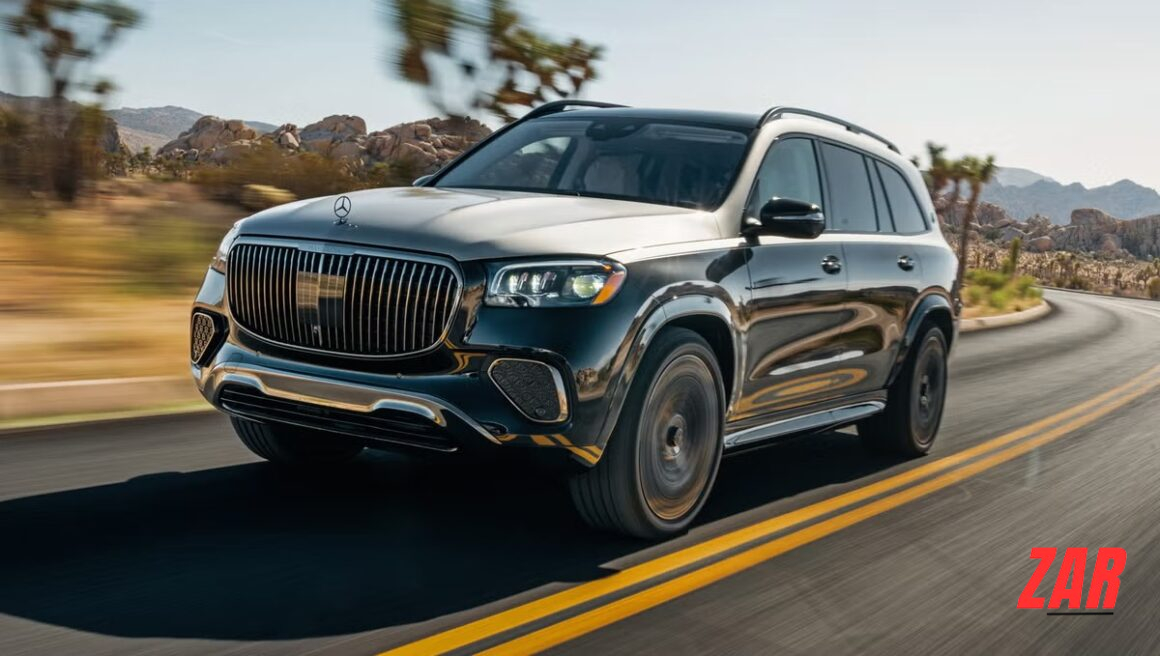
- GLS (The S-Class of SUVs): The “S” signifies it is the flagship. This is a full-size three-row SUV that mimics the S-Class sedan’s ride quality and technological sophistication.
Mercedes also offers “Coupe” versions of the GLC and GLE. These models feature a sloping roofline. While they sacrifice cargo space, their naming indicates a focus on “Sporty Luxury,” targeting buyers who prioritize style and aerodynamics over pure utility.
Coupes and Roadsters: The CL and SL
Mercedes-Benz distinguishes its lifestyle models with prefixes that suggest speed, elegance, and open-air freedom.
The CL Prefix (Coupe Luxus)
Originally standing for Coupe Leicht (Light Coupe) or Coupe Luxus (Luxury Coupe), this prefix is used for models that emphasize sleek silhouettes.
- CLA: A four-door coupe based on the A-Class. Its name implies it is a “Sleek” alternative to the entry-level sedan.
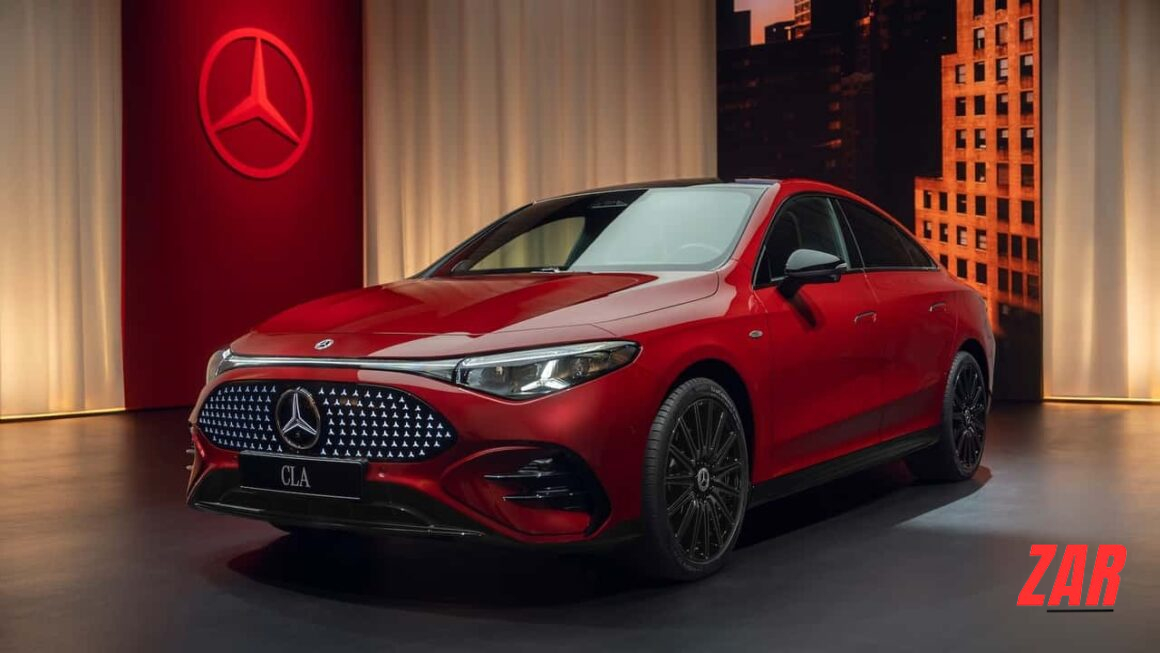
- CLS: The car that invented the modern “four-door coupe” segment. Its name links it to the S-Class tier of elegance, though it shares much of its mechanical DNA with the E-Class.
- CLE: A strategic new addition. Recognizing that having separate C-Class and E-Class coupes was redundant, Mercedes merged them into the CLE. It is a “Mid-sized Performance Coupe” that offers the agility of a C but the luxury of an E.
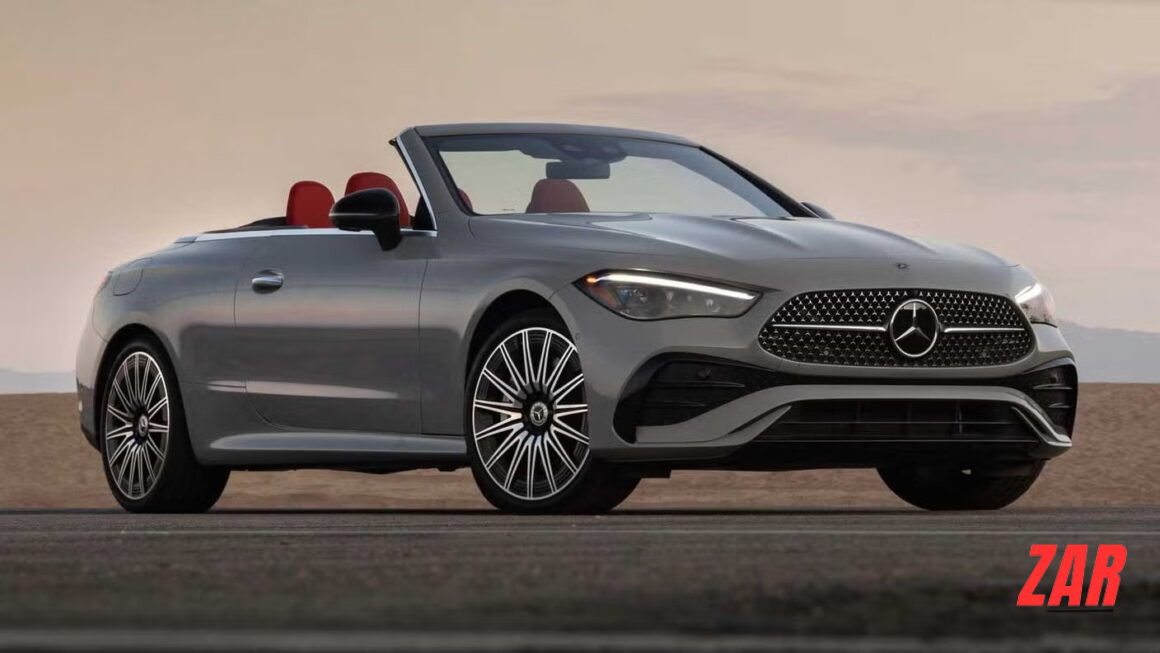
The SL Prefix (Super Leicht)
The SL is perhaps the most storied prefix in automotive history. Standing for Super Leicht (Super Light), it dates back to the 1954 300 SL Gullwing.
- SL Roadster: Today, the SL has returned to its roots as a dedicated 2+2 roadster developed entirely by the AMG division. Its name signals a “Grand Touring” identity built for long-distance comfort at high speeds.
- SLC/SLK: The “K” stood for Kurz (Short). These were compact roadsters with retractable hardtops. While currently discontinued, their names denoted a “Sporty, Short” footprint.
The Power Players: AMG and Maybach
When the standard “Class” isn’t enough, the brand moves into its specialized sub-brands, which alter the naming logic to signify extreme performance or ultimate opulence.
Mercedes-AMG (High Performance)
AMG stands for Aufrecht, Melcher, and Großaspach (the founders and Aufrecht’s birthplace). AMG naming uses two digits instead of three.
- The “43” and “53” Tiers: These signify “AMG Enhanced” models. They use six-cylinder engines and mild-hybrid tech to provide a gateway to the AMG world.
- The “63” Tier: This is the “Pinnacle of Performance.” The 63 badge traditionally meant a big V8, but today it signifies the highest possible output for that model, often involving hand-built engines under the “One Man, One Engine” philosophy.
- Black Series: If you see this suffix, it indicates a track-focused, limited-edition monster. It is the most aggressive nameplate in the Mercedes stable.
Mercedes-Maybach (Ultra-Luxury)
Named after legendary engineer Wilhelm Maybach, this sub-brand competes with Rolls-Royce. The name meanings here are simple: Bespoke Opulence.
- Unlike AMG, Maybach uses the standard class name but adds the sub-brand as a prefix (e.g., Mercedes-Maybach S 580).
- The name signifies a longer wheelbase, “First Class” rear seating, and a level of interior hand-finishing that standard models cannot match.
The Future: EQ and Electrification
Mercedes introduced the EQ brand (standing for Electric Intelligence) to house their Battery Electric Vehicles (BEVs), such as the EQS and EQE.
The brand is currently in a state of transition. As electric power becomes the norm, Mercedes is gradually moving away from standalone “EQ” names and integrating the technology back into the main classes. Future models will likely adopt names like “The G-Class with EQ Technology,” treating the electric motor as just another powertrain choice rather than a separate sub-brand.
Decoding a Complex Name: A Practical Example
To truly understand how these pieces fit together, let’s break down a badge you might see on a high-performance modern vehicle:
Mercedes-AMG GLE 63 S E Performance 4MATIC+
- Mercedes-AMG: This tells you immediately that this is not a standard commuter car; it was tuned by the high-performance division in Affalterbach.
- GLE: This identifies the body style and size, a mid-sized “Executive” SUV.
- 63: This indicates the highest internal combustion power tier available for this chassis.
- S: The “S” suffix in AMG terminology stands for “Extra” sportiness. It usually means a slight bump in horsepower and more aggressive suspension tuning.
- E Performance: This is a new, crucial naming convention. It signals a “Hybrid High-Performance” powertrain, using Formula 1-derived battery technology to boost speed rather than just fuel economy.
- 4MATIC+: “4MATIC” is the standard name for All-Wheel Drive. The “+” is the key; it indicates a fully variable system that can send 100% of power to the rear wheels or distribute it based on grip, allowing for “Drift Mode” or superior track handling.
Why It Works
The Mercedes-Benz naming system is more than just marketing; it is a Status Ladder. It creates a clear path for consumer aspiration. You might start your journey with a GLA, work your way to a C-Class as your career progresses, and eventually reach the S-Class or a Maybach as the ultimate reward.
While the proliferation of models (like the CLA vs. the C-Class) can sometimes feel overlapping, the underlying logic remains consistent. In an industry where names are increasingly becoming random words or strings of digits, Mercedes-Benz clings to a German tradition of order, hierarchy, and heritage. Whether you are looking for the “Kompakt” efficiency of a C-Class or the “Sonder” excellence of an S-Class, the name on the back tells you exactly where you stand in the world of the Three-Pointed Star.