Navigating family life in Nigeria requires strategic thinking. Between morning school runs, weekend trips to the village, and the unpredictable nature of Lagos or Abuja traffic, having a reliable family car is not a luxury—it is an absolute necessity. However, in mid-to-late 2026, the economic realities of the Nigerian automotive market require buyers to be more diligent and calculated than ever before.
With exchange rates hovering around ₦1,370–₦1,420 to the US Dollar, a brand-new Toyota Corolla starts roughly at ₦40–₦55 million, while a new Camry or RAV4 approaches the ₦70–₦80 million mark. An ₦8 million budget translates to roughly $5,600–$5,800. This places the smart money exclusively in the used and “Tokunbo” (foreign-used) market, specifically targeting clean models from the 2004 to 2016 eras.
Furthermore, with PMS (petrol) prices sitting at roughly ₦1,300–₦1,400 per litre, buying the vehicle is only half the battle; maintaining and fueling it is the true test of family economics. While recent July 2026 import levy cuts have slightly stabilized landed costs, you still need to make a highly informed decision.
At WheelZAR, Africa’s leading mobility hub, we have aggregated data from live listings on Jiji, Autochek, and Carlots, alongside on-the-ground insights from Ladipo, Berger, and Wuse markets. We didn’t just look at prices; we looked at survival rates on Nigerian roads.
Here is your authoritative, deep-dive guide to the top 10 best family vehicles you can buy under ₦8 million in Nigeria today.
The 2026 Market Context for Family Cars
Before diving into the countdown, you must understand the rules of engagement for budget family cars in the current automotive landscape:
- The Japanese Edge: Toyota, Honda, and Lexus/Acura absolutely dominate this budget bracket. Why? Because their spare parts are widely available, local roadside mechanics know them intimately, and they offer the best reliability in extreme heat and on poor roads. European cars (like older Mercedes or BMWs) in this price range carry a significantly higher risk of wallet-draining maintenance.
- Tokunbo vs. Nigerian-Used: “Tokunbo” (foreign-used) with verifiable customs papers is heavily preferred for its better prior maintenance and lack of exposure to Nigerian potholes. However, a clean, well-documented Nigerian-used model can save you ₦1M–₦2M, provided it has a strict service history and is a “first body” (original paint, un-crashed) vehicle.
- The Hidden Extra Costs: Never spend your entire ₦8 million on the purchase price. You must leave a minimum buffer of ₦200,000 to ₦500,000. Registration, comprehensive insurance (vital in city traffic), and an immediate post-purchase service (oil, transmission fluid, filters, brake pads, and suspension checks) are mandatory.
The Top 10 Family Cars Under ₦8M
1. Toyota Sienna (2004–2010)
The Ultimate Large-Family People Mover
If you have a large family of five or more, sedans and compact SUVs simply will not cut it. You need a minivan, and in Nigeria, the 2nd-generation Toyota Sienna is the undisputed king of the family haulers.
- Estimated Price Range: ₦5,000,000 – ₦8,000,000 (Pristine 2007-2009 models easily hit ₦7M-₦8M).
- Real-World Fuel Economy: ~7–10 km/L (City) / 10–12 km/L (Highway).
- Why It Fits Families: Sitting 7 to 8 people comfortably, it is essentially a living room on wheels. The sliding doors are a massive advantage in tight supermarket parking lots, preventing children from dinging adjacent vehicles. The cargo space is cavernous, easily swallowing bulk bags of rice, holiday luggage, and baby strollers simultaneously.
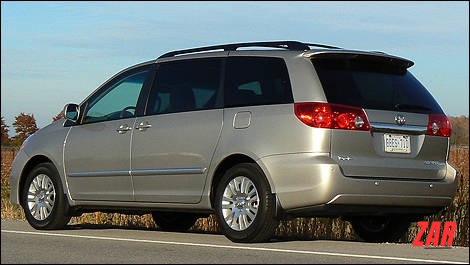
- Key Strengths: It features a highly reliable 3.3L or 3.5L V6 engine. The dual-zone air-conditioning system is powerful enough to cool the third row efficiently during the dry season.
- WheelZAR Pro-Tip: Because it uses a V6, fuel consumption is noticeably higher than a 4-cylinder sedan. When inspecting, pay close attention to the automatic sliding door cables (they tend to snap over time) and ensure the AC condenser has no leaks.
2. Honda CR-V (2007–2011)
The Best All-Rounder Compact SUV
For families who need a vehicle that can handle flooded streets, aggressive speed bumps, and unpaved estate roads, the 3rd-generation Honda CR-V is a masterclass in urban utility.
- Estimated Price Range: ₦4,500,000 – ₦8,000,000 (Clean 2008 examples frequently hit ₦5.5M – ₦7.5M).
- Real-World Fuel Economy: ~9–11 km/L (City) / 12–14 km/L (Highway).
- Why It Fits Families: It bridges the gap between a sedan and a large SUV perfectly. It seats five comfortably, offers a massive rear boot with a very low loading lip (great for heavy items), and provides that much-needed higher ground clearance for Nigerian roads.
- Key Strengths: You get the commanding driving position of an SUV with the running costs of a sedan. Honda’s K24 4-cylinder engine is highly efficient and incredibly durable.
- WheelZAR Pro-Tip: Older Hondas are notoriously sensitive to transmission fluid. Never buy a used CR-V without thoroughly testing the gearbox on the highway. If it jerks from 1st to 2nd gear, walk away. Ensure only genuine Honda ATF is used for servicing.
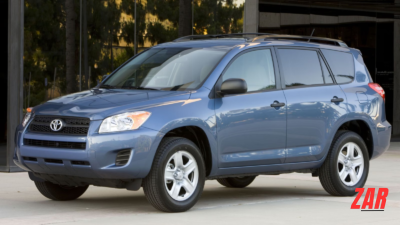
3. Toyota RAV4 (2006–2012)
The Rugged Toyota Crossover
The RAV4 is Toyota’s direct answer to the CR-V. It is a highly sought-after compact SUV that brings Toyota’s legendary “indestructible” reputation to a versatile, family-friendly package.
- Estimated Price Range: ₦5,500,000 – ₦8,000,000+ (Clean 2009–2011 examples land right at the edge of this budget).
- Real-World Fuel Economy: ~10–12 km/L (City) / 13–15 km/L (Highway) for the 4-cylinder.
- Why It Fits Families: It provides a high seating position, great visibility, and a rugged interior that holds up well against messy kids. AWD versions add a layer of safety and capability during the rainy season or on loose, sandy terrain.
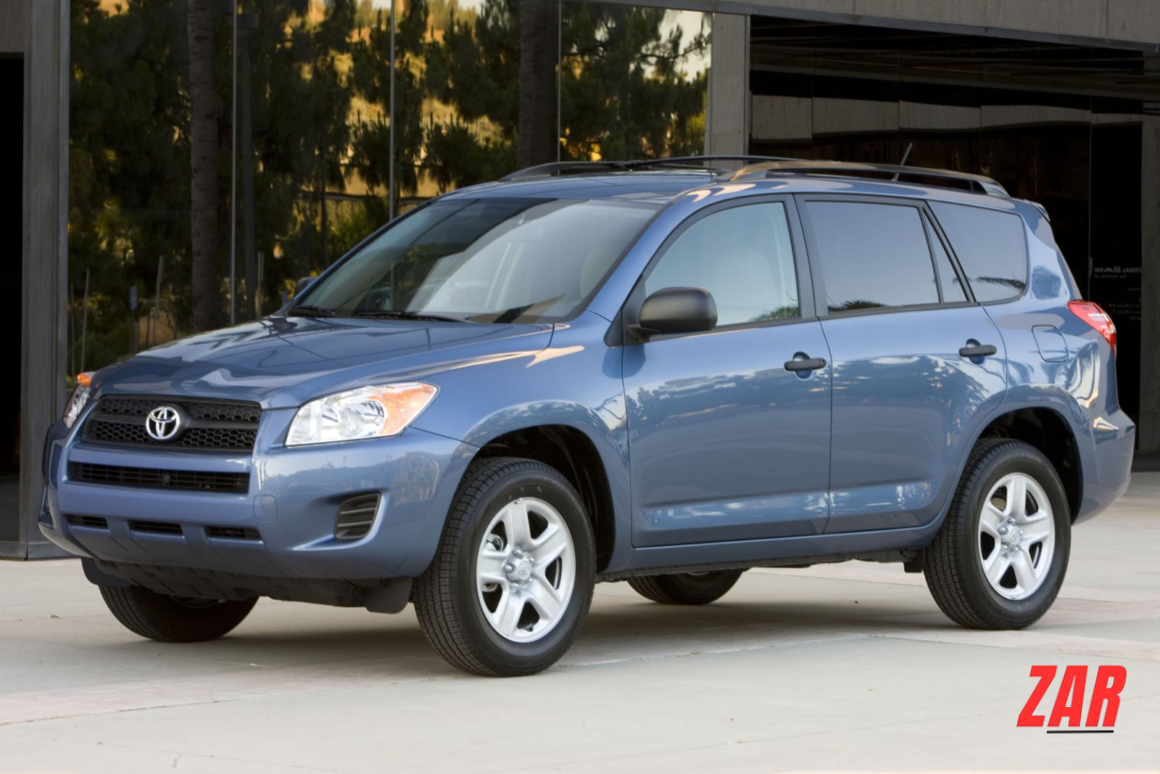
- Key Strengths: It shares many mechanical parts with the Camry, meaning maintenance is dirt cheap anywhere in Nigeria. Its resale value is arguably the best in its class.
- WheelZAR Pro-Tip: Because of the “Toyota Tax,” clean units under ₦8M sell within hours. Beware of the V6 versions; stick to the 2.4L or 2.5L 4-cylinder for maximum fuel savings and lower maintenance costs.
4. Toyota Camry (2007–2011)
The Spacious & Comfortable Cruiser
Famously dubbed the “Muscle” in Nigeria, this generation of the Toyota Camry is the most popular mid-size family sedan in the country for good reason.
- Estimated Price Range: ₦6,500,000 – ₦8,000,000+.
- Real-World Fuel Economy: ~10–13 km/L (City) / 14–16 km/L (Highway) for the 2.4L.
- Why It Fits Families: If you don’t absolutely need the height of an SUV, the Camry offers superior ride comfort, wider seats, and vastly more rear legroom than compact cars. It absorbs bad roads beautifully, keeping the family comfortable on long interstate journeys.
- Key Strengths: The suspension is highly robust. The AC is famously icy, and if you opt for the 2.4L 4-cylinder model, fuel economy is exceptional for its size.
- WheelZAR Pro-Tip: Avoid the thirsty V6 if you are trying to survive ₦1,300/litre pump prices. High-mileage units often suffer from worn ball joints and trailing arms—listen for “clunking” sounds when driving over bumps during your test drive.
5. Toyota Corolla (2008–2013)
Best for Small Families & Maximum Economy
Often crowned the “King of Reliability,” the Toyota Corolla remains the safest financial bet any Nigerian can make. If your family consists of two adults and one or two young children, look no further.
- Estimated Price Range: ₦5,000,000 – ₦8,500,000 (Many clean 2009–2012 models sit comfortably around ₦6M–₦7.8M).
- Real-World Fuel Economy: ~12–15 km/L (City) / 16–18 km/L (Highway).
- Why It Fits Families: It is the ultimate low-stress daily commuter. It is safe, features decent boot space for school bags and groceries, and is incredibly easy to maneuver and park in congested city centers.
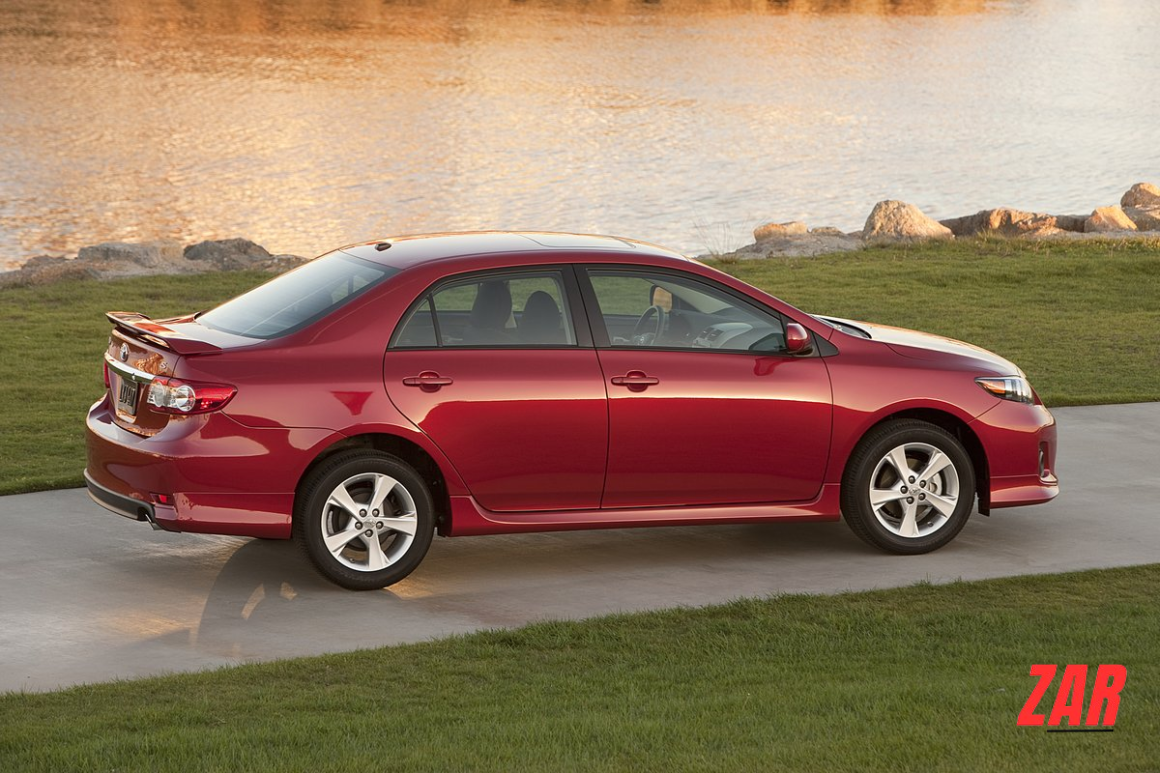
- Key Strengths: Unbeatable fuel efficiency. It boasts the absolute cheapest parts and maintenance of any car on this list. Furthermore, it holds its value so well that you can drive it for three years and resell it for nearly what you bought it for.
- WheelZAR Pro-Tip: It has lower ground clearance than a Camry and a noticeably smaller cabin. If your teenagers are tall, they will find the rear seats cramped on long trips.
6. Acura MDX (2007–2009)
The Luxury 3-Row SUV Alternative
If you have a large family but refuse to drive a minivan, the Acura MDX brings a touch of premium luxury and aggressive styling to the 3-row SUV segment.
- Estimated Price Range: ₦5,000,000 – ₦8,500,000 (Nigerian-used easily falls under ₦8M; pristine Tokunbo examples will require sharp negotiation).
- Real-World Fuel Economy: ~6–8 km/L (City) / 10–11 km/L (Highway).
- Why It Fits Families: It seats seven, features premium leather interiors, advanced safety features for its era, and available SH-AWD (Super Handling All-Wheel Drive), which is brilliant for vehicle stability in heavy rain.
- Key Strengths: It offers a strong, dominating road presence and is powered by a very capable 3.7L V6 engine that makes highway overtaking effortless.
- WheelZAR Pro-Tip: This is a luxury performance vehicle. It requires premium maintenance. The electronic shock absorbers (if equipped) are notoriously expensive to replace in Nigeria, and the fuel consumption is heavy. Buy this only if your budget allows for higher running costs.
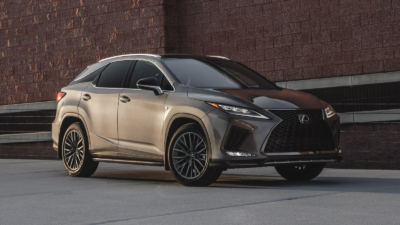
7. Lexus RX 330 / Early RX 350 (2004–2009)
The Premium Family Cruiser
Lexus represents the pinnacle of Japanese luxury, and the RX series is deeply loved by Nigerian families who want bulletproof Toyota reliability wrapped in a leather-lined, premium package.
- Estimated Price Range: ₦6,000,000 – ₦9,000,000 (Many solid older examples can be negotiated down to or under ₦8M).
- Real-World Fuel Economy: ~7–9 km/L (City) / 11–13 km/L (Highway).
- Why It Fits Families: It is remarkably quiet, buttery smooth over bumps, and isolates the family from the chaos of the outside world. The cabin feels distinctly upscale, making school runs an absolute pleasure.
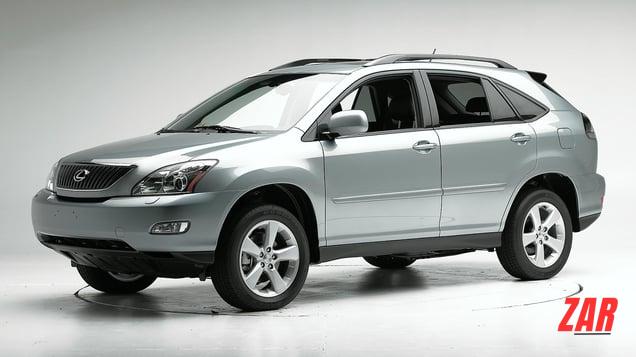
- Key Strengths: Underneath the luxury badge, it utilizes proven Toyota mechanicals (sharing platforms with the Highlander), making major repairs straightforward for local mechanics.
- WheelZAR Pro-Tip: A common issue with Lexus models of this era is dashboard cracking due to the intense Nigerian sun. Look for units with intact dashes and invest in a good sunshade immediately.
8. Honda Accord (2008–2012)
The Sporty & Roomy Sedan
Known locally as the “Evil Spirit,” the 8th-generation Accord is a fantastic, slightly sportier, and often better-equipped alternative to the Toyota Camry.
- Estimated Price Range: ₦6,000,000 – ₦9,000,000 (Select clean 4-cylinder examples fit comfortably under ₦8M).
- Real-World Fuel Economy: ~10–12 km/L (City) / 14–15 km/L (Highway).
- Why It Fits Families: It features one of the absolute roomiest cabins in the mid-size sedan class—wider than the Camry. The trunk is massive, and the driving dynamics are sharper and more engaging.
- Key Strengths: Excellent interior space, great highway stability, and highly reliable 4-cylinder engines.
- WheelZAR Pro-Tip: We strongly advise avoiding the V6 models entirely; they suffer from Variable Cylinder Management (VCM) issues that cause excessive oil burning and expensive engine repairs. Additionally, Honda lower ball joints require frequent checking on bad roads.
9. Lexus ES 350 (2007–2010)
The Executive Family Sedan
If you want the smooth V6 power and quiet luxury of an RX SUV but prefer the handling, profile, and slightly better fuel economy of a sedan, the ES 350 is the answer.
- Estimated Price Range: ₦6,000,000 – ₦9,000,000 (You will primarily be looking at well-maintained Nigerian-used or slightly higher-mileage Tokunbo examples to stay under ₦8M).
- Real-World Fuel Economy: ~8–10 km/L (City) / 12–14 km/L (Highway).
- Why It Fits Families: It provides a whisper-quiet cabin, incredibly plush leather seating, and advanced comfort features. It is the perfect car for the family that values comfort above all else.
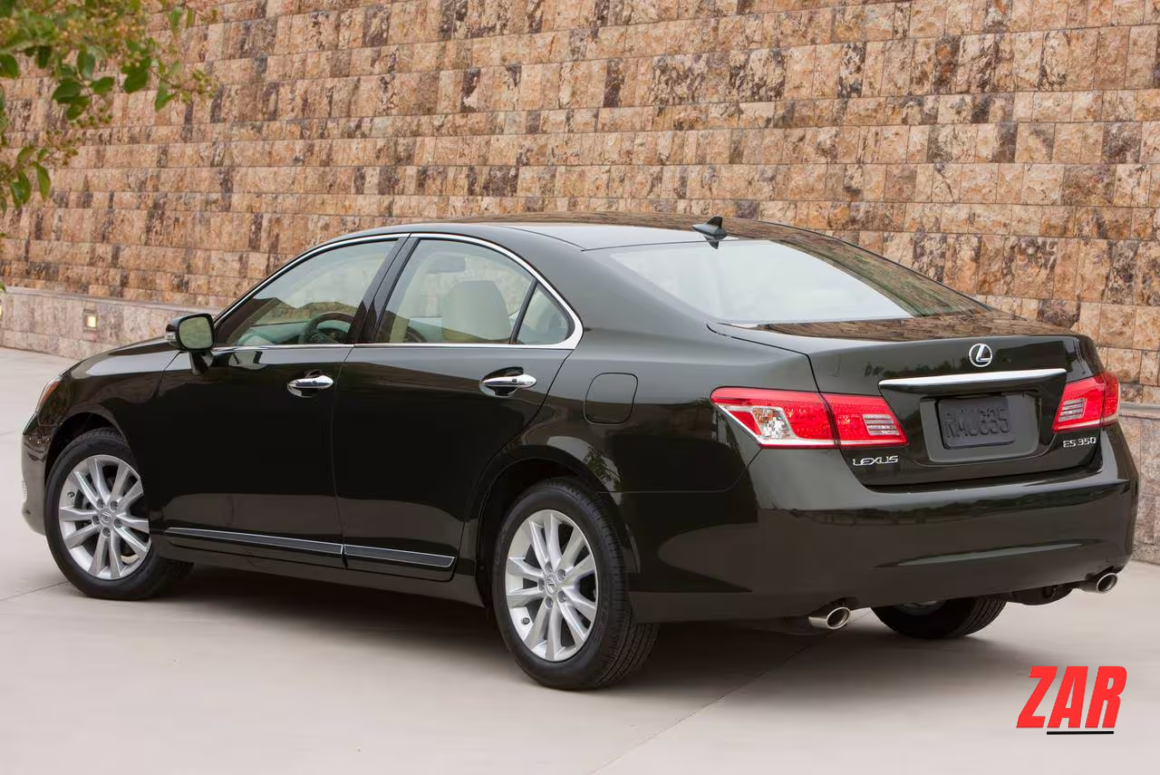
- Key Strengths: It is essentially a luxury version of the Camry V6, meaning it benefits from the exact same highly accessible and affordable Toyota parts network.
- WheelZAR Pro-Tip: Like the RX, watch out for the melting/sticky dashboard issue. Also, ensure the transmission shifts smoothly, as 2007 models occasionally had gearbox hesitation.
10. Hyundai Elantra (2011–2016)
The Modern Value Option
If you are willing to step outside the traditional Toyota/Honda duopoly, Korean automakers offer incredible value. For an ₦8M budget, you can buy a significantly newer, lower-mileage Elantra compared to a Corolla.
- Estimated Price Range: ₦5,000,000 – ₦8,500,000.
- Real-World Fuel Economy: ~11–14 km/L (City) / 15–17 km/L (Highway).
- Why It Fits Families: It is perfect for young, modern families. You get sleek, contemporary “Fluidic Sculpture” styling, modern interior tech (like standard Bluetooth and better audio systems), and excellent fuel economy.
- Key Strengths: Unbeatable value for money, modern safety features, and a very comfortable daily driver.
- WheelZAR Pro-Tip: While parts are easy to find in Lagos or Abuja, you may struggle slightly with specialist body parts in remote areas. Listen for a “clicking” sound in the steering column during your test drive; the flexible steering coupler often fails but is a cheap fix.
Honorable Mentions (If You Can Stretch the Budget)
- Honda Pilot (2005-2011): Often found between ₦4M–₦9M, it is a boxy, highly capable 8-seater tank. Great for rough terrain, but high-mileage units can be risky.
- Toyota Highlander (2004-2007): The ultimate mid-size family SUV, but finding a genuinely clean one under ₦8M in 2026 is becoming increasingly difficult. If you find one, buy it instantly.
Non-Negotiable Due Diligence Checklist
Buying a 10-to-15-year-old car requires extreme vigilance. Never wire funds until you have completed this checklist:
- Bring an Independent Mechanic & OBD2 Scanner: Never buy based on shiny paint or a washed engine bay. Pay a professional ₦10,000 – ₦20,000 to perform a full mechanical inspection and plug in an OBD2 diagnostic scanner to reveal hidden, cleared error codes.
- Beware the Lagos Flood Cars: Flash floods ruin hundreds of cars annually, and many salvaged US cars are imported cheaply. Check the underbody for rust, smell the carpets for dampness, pull the seatbelts all the way out to check for water lines, and look for rust under the dashboard.
- Check the Catalytic Converter: Car thieves frequently cut out catalytic converters from imported cars before they reach the lot. A missing “cat” will cause a permanent Check Engine Light, increase fuel consumption, and is very expensive to replace. Look under the car.
- Verify the Documents: For Tokunbo cars, verifiable Customs duty papers are mandatory (verify them online or at a customs office). For Nigerian-used, trace the ownership history to ensure there are no outstanding bank liens or police reports.
- Test the AC Under Load: A weak AC might not just need “gas.” It could be a failing compressor (a ₦150k+ fix). Turn the AC to max, put the car in Drive with your foot on the brake, and ensure it remains freezing cold.
Which Should You Choose?
- If your priority is lowest running costs and fuel savings for a small family, buy the Toyota Corolla.
- If you want maximum space and comfort without SUV height, hunt for a 4-cylinder Toyota Camry.
- If your daily commute involves bad roads and you need versatility, the Honda CR-V is unmatched.
- If you have a large family (4+ kids) and lots of luggage, nothing beats the space of the Toyota Sienna.
The ₦8 million mark in late 2026 is highly competitive, and prices shift weekly with the Naira. Take your time, insist on physical inspections (because online photos lie), watch expert video reviews, and negotiate hard.
Are you currently car hunting for your family in Nigeria? Which of these 10 models are you leaning towards, or is there a hidden gem we missed? Let us know in the comments below!