Of all the critical components that keep a vehicle functioning correctly, gaskets remain among the least discussed until they inevitably fail, resulting in consequences ranging from a minor oil leak to complete engine destruction. A gasket is essentially a precise mechanical seal crafted from metal, composite, or rubber that sits perfectly between two engine surfaces to prevent the escape of highly pressurized fluids and gases. The average engine contains dozens of these vital seals, which contain combustion pressure, seal hot oil passages, and prevent vital coolant from mixing where it absolutely should not. However, in Nigeria, where intense ambient heat, brutal traffic, irregular maintenance schedules, and highly variable fuel quality constantly combine, these vital seals are placed under significantly greater daily stress than their original engineering specifications were ever designed to handle.
Sustained high temperatures and frequent overheating episodes, particularly when vehicles spend long periods stationary in heavy Lagos traffic, subject these crucial components to severe thermal distortion that rapidly compromises their sealing ability. Furthermore, irregular oil change intervals heavily accelerate the chemical deterioration of seals throughout the entire engine block, making proactive maintenance incredibly urgent. Understanding exactly how these different seals work, recognizing the early warning signs of their failure, knowing current repair costs across the country, and learning how to prevent premature breakdowns is essential. This comprehensive review provides every Nigerian car owner with the highly practical knowledge required to protect their engine and avoid massively expensive mechanical disasters.
Types of Car Gaskets and Their Functions
Not all gaskets are equal in terms of complexity, failure risk, or the overall consequences of a breakdown. The following breakdown covers the absolute most important gasket types found in the engines of vehicles commonly driven across Nigeria today.
- Head Gasket
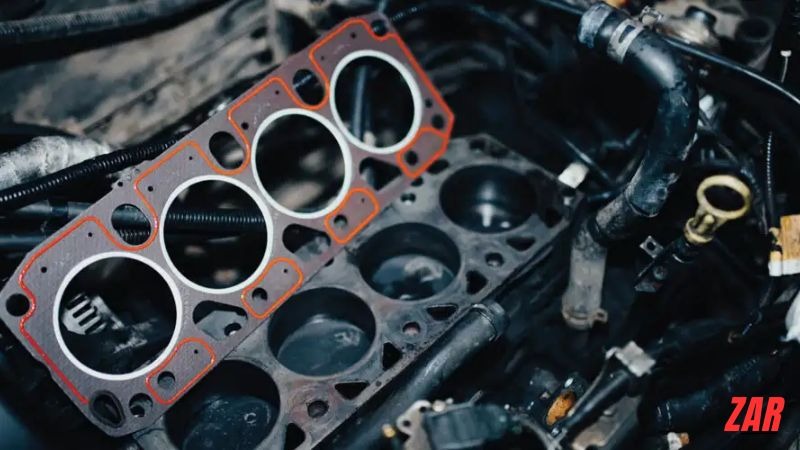
The head gasket is undeniably the most critical and expensive seal in your entire engine. Sitting perfectly between the engine block and the cylinder head, it performs an extraordinary multitasking job. It simultaneously contains massive combustion pressure, seals vital coolant passages, and protects pressurized oil galleries, all while enduring extreme temperature changes. Modern vehicles utilize multi-layer steel to maintain this seal under heavy stress. If this specific gasket fails, combustion gases, oil, and coolant can freely mix together, leading directly to catastrophic engine destruction if left completely unaddressed.
- Valve Cover Gasket
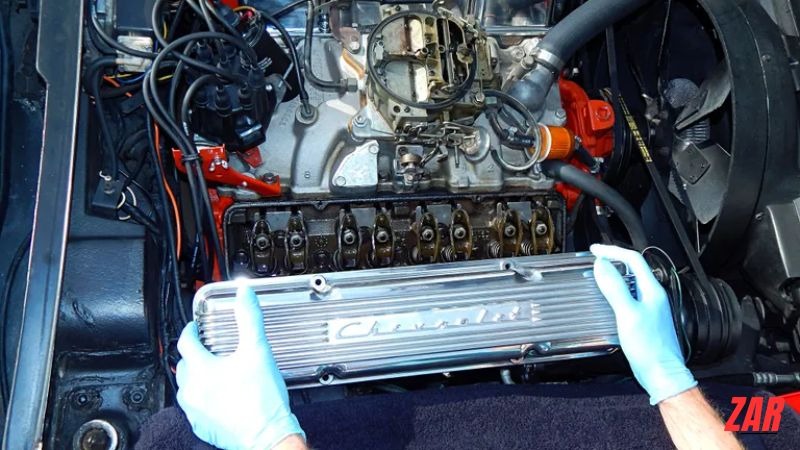
This crucial gasket securely seals the exact joint between the upper valve cover and the cylinder head, sitting right at the very top of your engine. Its primary function is to trap pressurized engine oil inside the valve train and prevent it from leaking externally. Typically crafted from durable rubber or cork, these seals eventually degrade and harden from constant heat cycling. When they fail, you will instantly notice a messy oil residue around the top of the engine often accompanied by a distinct burning smell when the leaking oil drips onto hot exhaust components. Fortunately, replacing this seal is a highly straightforward and affordable repair.
- Intake Manifold Gasket
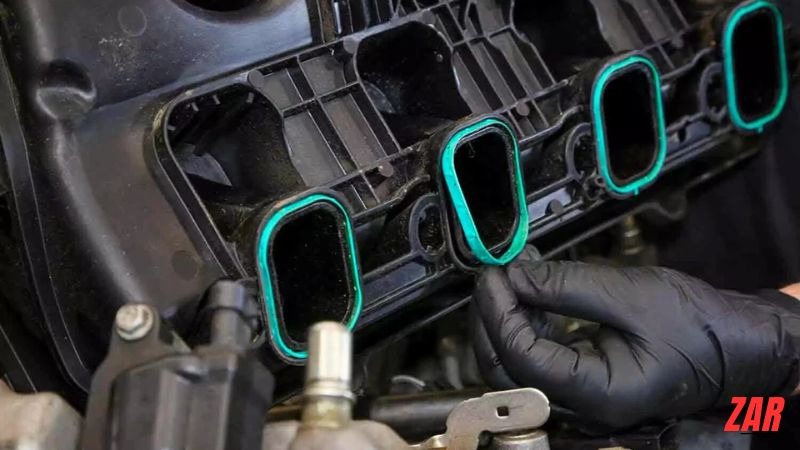
The intake manifold channels the precise air and fuel mixture directly into your combustion chambers. This specific gasket securely seals the connection between that manifold and the cylinder head, preventing any unmetered outside air from sneaking inside. When this seal inevitably fails the result is a massive vacuum leak causing your engine to experience a very rough idle terrible throttle response and significantly increased fuel consumption. On certain engine designs a blown intake gasket can also cause a severe internal coolant leak.
- Exhaust Manifold Gasket
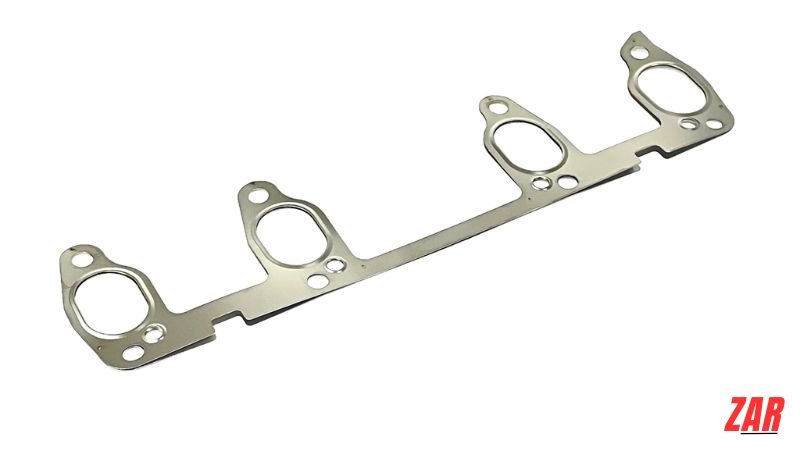
Your exhaust manifold collects highly pressurized exhaust gases from each cylinder and forces them out toward the exhaust pipe. This heavy-duty gasket seals that exact joint safely containing the extreme heat and pressure. When an exhaust gasket blows it typically announces itself with a very sharp ticking or popping noise from the engine bay that is especially loud on cold starts before the metal expands. Beyond the highly annoying noise, this specific leak can completely throw off your oxygen sensor readings and severely disrupt your vehicle’s emissions control system.
- Oil Pan Gasket
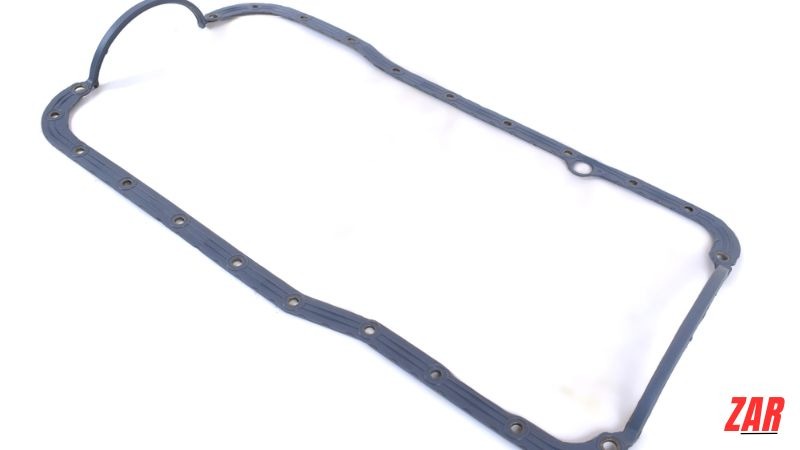
Sitting right at the absolute bottom of your engine, the oil pan serves as the main reservoir for your entire engine oil supply. The oil pan gasket securely seals this reservoir directly to the engine block. While older cars used physical rubber or cork gaskets, many modern vehicles now rely on specialized room-temperature vulcanizing silicone sealant to form this permanent bond. A failure here creates a highly visible oil puddle beneath the front center of your parked car, and ignoring this slow progressive leak will eventually starve your engine of lubrication, causing severe internal wear.
- Throttle Body and Accessory Gaskets
Beyond the massive primary engine seals, there are dozens of much smaller gaskets sealing vital joints throughout your engine bay. Components like the throttle body, water pump housing, fuel injectors, and transmission all rely heavily on specialized gaskets or circular rubber O-rings to function correctly. While a failure in one of these smaller seals might not seem as immediately catastrophic as a blown head gasket, they can easily cause severe vacuum, coolant, or fuel leaks that rapidly compound into massively expensive mechanical problems if ignored.
Warning Signs of Gasket Failure
The absolute most important skill in automotive maintenance is recognizing early gasket failure before it rapidly becomes catastrophic. While the exact warning signs differ somewhat depending on which specific gasket is failing, several broadly applicable indicators will immediately warn you that a critical seal is compromised.
- White or Sweet Smelling Exhaust Smoke
Seeing thick white smoke billowing from your exhaust that persists well past the initial cold start condensation phase particularly if it carries a distinctly sweet smell is one of the absolute most reliable indicators of coolant actively entering your combustion chambers. This almost always points directly to a massive head gasket failure where vital engine coolant is being burned in the cylinders and aggressively exiting as steam through the exhaust pipe. This is a highly serious symptom that demands immediate professional inspection because continued operation rapidly accelerates permanent damage to the cylinder walls engine pistons and your highly expensive catalytic converter.
- Oil and Coolant Contamination
Finding a thick, creamy brown or beige residue completely coating the underside of your oil filler cap is a massive red flag. Similarly, discovering that the engine oil on your dipstick appears milky rather than a healthy, clear amber or dark brown instantly indicates that your engine coolant has fatally mixed with the oil, serving as a definitive sign of internal head gasket failure. These two fluids mixing perfectly creates a highly destructive emulsion that provides zero engine lubrication and accelerates internal bearing wear incredibly dramatically. Furthermore, if the coolant inside your overflow reservoir appears oily or foamy, combustion gases or engine oil are actively contaminating the cooling system once again pointing strictly to head gasket compromise.
- Persistent Overheating
An engine that aggressively overheats repeatedly, even immediately after the entire cooling system has been thoroughly inspected and freshly refilled, is incredibly dangerous. This often happens because highly pressurized combustion gases are forcefully entering the coolant passages directly through a completely failed head gasket. These rogue gases create massive artificial pressure in the cooling system that forcefully pushes good coolant out through the overflow and completely disrupts normal liquid circulation. If severe overheating constantly recurs after the radiator thermostat and water pump have been fully verified to be functioning correctly the head gasket must absolutely be the very next area of professional investigation.
- Oil Leaks Around the Engine Exterior
External oil leaks clearly visible as fresh oil residue dark staining or active drips on the engine exterior or directly beneath your parked vehicle most commonly trace back to valve cover gasket oil pan gasket or front cam seal failures. The exact physical location of the leak serves as your primary diagnostic clue. Fresh oil dripping around the very top of the engine at the cylinder head cover directly points to a bad valve cover gasket. Dark oil heavily pooling beneath the engine at its absolute lowest point strongly suggests a failed oil pan or sump gasket. Meanwhile oil dripping at the very front of the engine near the timing cover usually indicates a blown cam or crank seal.
- Ticking or Knocking Noise on Cold Starts
A highly regular ticking sound coming from the engine bay that is exceptionally loud on cold starts and slowly diminishes as the heavy metal engine warms up is the absolute classic presentation of a blown exhaust manifold gasket. This highly annoying noise is actively caused by incredibly hot exhaust gases forcefully escaping at the failed gasket joint with every single combustion pulse. While this specific leak is certainly less immediately dangerous than a total head gasket failure, it must absolutely be addressed quickly before the escaping superheated gases cause severe melting damage to nearby electrical wiring, rubber hoses or vital plastic components.
- Rough Idle and Poor Throttle Response
A severe vacuum leak actively caused by a failed intake manifold gasket constantly introduces totally unmetered outside air directly into the engine, severely disrupting the incredibly precise air-fuel mixture calculation. The immediate result is a highly rough and unstable engine idle incredibly sluggish response when the throttle pedal is pressed, and drastically reduced vehicle fuel economy. A constantly persistent check engine light, throwing lean condition diagnostic codes accompanying these exact symptoms, serves as an incredibly strong indicator of a massive intake gasket leak.
Car Gasket Maintenance Tips for Nigerian Drivers
Prevention is the dominant strategy in gasket maintenance. The vast majority of premature head gasket failures in the Nigerian market are the direct result of preventable overheating events or neglected maintenance that creates conditions for failure. The following practices represent the most impactful actions a Nigerian car owner can take to protect their engine gasket integrity.
- Maintain the Cooling System Rigorously
Overheating is the single largest cause of head gasket failure in Nigeria. The relationship is direct; an overheated engine expands its cylinder head beyond the tolerance range of the gasket sealing surfaces, and either the head warps, the gasket deforms, or both. A single severe overheating event can blow a healthy head gasket. Multiple moderate overheating events cumulatively degrade the gasket integrity even without a single catastrophic episode.
Maintaining the cooling system with the discipline that Nigerian conditions demand means checking the coolant level monthly, flushing and replacing coolant on a regular schedule every two years or 40,000 to 50,000 kilometres is appropriate for most vehicles in Nigeria, inspecting radiator hoses for cracking or softening, verifying cooling fan operation during stationary idling, and addressing any overheating symptom however minor before continuing to drive. The cooling system guide covers these measures in detail, and treating it as directly linked to gasket maintenance is accurate and highly important.
- Never Continue Driving an Overheating Engine
This is the most important single rule in preventing catastrophic head gasket damage. If the temperature gauge rises toward the red zone, the appropriate response is to pull over safely, turn off the engine, and allow the vehicle to cool completely before investigating. Continuing to drive an overheating engine, even for a short distance to reach a mechanic, dramatically increases the probability of head warp and gasket failure. The cost of a tow to a workshop is a fraction of the cost of the damage that ten minutes of continued driving on an overheating engine can cause.
- Maintain Oil Change Intervals Without Exception
Fresh, clean engine oil at the correct level does far more than lubricate moving parts. It also cools internal engine components that the coolant cannot reach directly, and it maintains the health of the rubber seals and O rings throughout the engine, including the valve stem seals, cam cover seal, and crank seals, whose condition directly affects oil leakage. Degraded oil loses its viscosity, its detergent properties, and its protective film strength. The resulting increase in internal friction raises engine temperatures and accelerates the deterioration of every seal and gasket in the system.
For most Nigerian driving conditions, which include high ambient temperatures, frequent stop and go traffic, and consistent air conditioning load, an oil change every 5,000 kilometres or five months whichever comes first is much more appropriate than the 10,000 kilometre intervals specified for milder climates. Using a quality engine oil of the correct specification for your vehicle is equally important.
- Use Quality Coolant Not Plain Water
Plain water is often used as a coolant substitute in Nigeria due to its accessibility and zero cost. It is a massive false economy. Water lacks the corrosion inhibitors present in properly formulated coolant, which means it heavily accelerates internal corrosion of the radiator, water pump, and metal engine surfaces. It also boils at a lower temperature than a properly mixed coolant and water solution, reducing the effective ceiling of the cooling system operating range.
In high ambient temperature Nigerian conditions, where the cooling system is already working at the higher end of its capacity, this reduced boiling point margin has very real consequences. Quality coolant mixed with distilled water in a 50/50 ratio, or a pre mixed product from a reputable brand, maintains corrosion inhibition, raises the system boiling point, and protects the entire cooling circuit including the exact sealing surfaces that gaskets depend on.
- Address Small Leaks Before They Become Large Ones
A minor oil seep from a valve cover gasket, a faint coolant smell that appears and disappears, or a small drip beneath the parked vehicle are not problems to simply monitor, they are problems to actively investigate and fix. The deterioration of gaskets is rarely sudden, it is almost always progressive. Catching a failing seal early, when the repair is a straightforward gasket replacement, is categorically less expensive and less disruptive than addressing the same seal after it has failed completely and caused severe secondary damage.
A quarterly inspection of the engine bay, checking for oil residue around the valve cover joints, checking coolant level in the overflow reservoir, and checking the underside of the oil filler cap for any creamy discolouration, takes exactly five minutes and provides early warning of developing issues before they escalate.
- Do Not Mix Coolant Types
Different coolant formulations use entirely different corrosion inhibitor chemistry. Mixing incompatible types, for example, combining a conventional green coolant with a long-life red or orange formulation, can cause the inhibitor systems to react with each other, producing heavy deposits that clog narrow coolant passages and actively accelerate the corrosion they are meant to prevent. Always drain the system fully and refill with a single compatible coolant type when changing. If you are unsure what type is currently in the vehicle, a full flush with clean water before refilling is the absolute safest approach.
- Have the Timing Belt Replaced on Schedule
On vehicles that use a timing belt rather than a chain, the timing belt replacement interval is one of the most important scheduled maintenance items in the entire engine. A snapped timing belt causes immediate and typically catastrophic engine damage, including bent valves, damaged pistons, and, in severe cases, irreparable engine block damage. Beyond the direct damage, timing belt replacement provides the perfect opportunity to inspect and replace the water pump, the belt tensioner, and the idler pulleys, all of which are components whose failure can directly contribute to overheating and the catastrophic gasket failures that immediately follow from it.
Protecting Your Engine Through Gasket Awareness
Gasket maintenance is not a single action but a posture of consistent awareness applied across the vital systems that gaskets depend on. The cooling system, the oil system, and the overall thermal management of the engine are all directly linked to gasket integrity, and neglecting any one of them creates harsh conditions that even properly engineered gaskets cannot indefinitely withstand. In the punishing Nigerian driving environment, where the thermal and mechanical demands on engines far exceed the baseline assumptions of most manufacturers’ service intervals, the margin for neglect is much narrower than many car owners appreciate. While the cost of the preventative measures described in this guide, such as using quality coolant, performing regular oil changes, giving prompt attention to overheating, and taking early action on small leaks, remains highly modest, the financial consequences of bypassing them are absolutely devastating. With a blown head gasket in a popular vehicle in Nigeria today costing between ₦450,000 and ₦1,800,000 to repair correctly, depending on the extent of secondary damage, it is crucial to remember that almost none of this massive expense is inevitable and virtually all of it is entirely preventable.