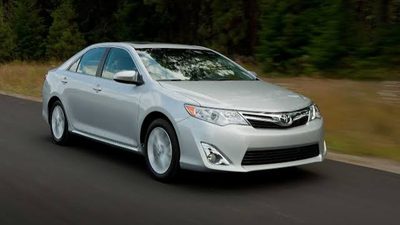
If you are searching for the Toyota Camry 2010 price in Nigeria, you are probably looking for a car that gives you more comfort and presence without entering the territory of newer, more expensive sedans. The 2010 Toyota Camry remains a familiar sight on Nigerian roads, from Lagos and Abuja to Ibadan, Benin City, Port Harcourt, Asaba and other major cities.
The reason is simple. The Camry has built a strong reputation for comfort, reliability, easy access to spare parts and relatively straightforward maintenance. It is also one of those cars that can still look respectable years after its production, especially when you find a clean, well-maintained example.
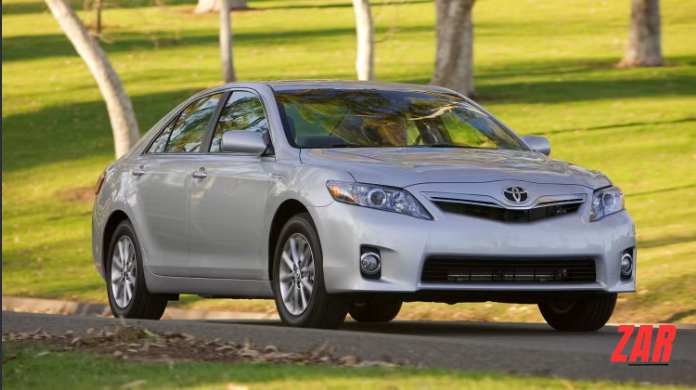
However, the Toyota Camry 2010 price in Nigeria is not one fixed figure. The amount you will pay depends heavily on whether the car is Nigerian-used or foreign-used, its mileage, engine, condition, accident history, documentation and even where the vehicle is being sold.
As of September 2026, Nigerian-used examples generally fall around ₦6.5 million to ₦10 million, while clean foreign-used or Tokunbo models can range from about ₦10 million to ₦14 million or more. Before you start reaching for your wallet, though, there is much more you need to know.
Toyota Camry 2010 Price in Nigeria
The current Toyota Camry 2010 price in Nigeria varies considerably across the used-car market. A Nigerian-used model in decent condition can be advertised from around ₦6.5 million, while cleaner examples can reach ₦9 million or even ₦10 million.
For many buyers, a realistic budget for a reasonably clean Nigerian-used Camry 2010 would be around ₦7.5 million to ₦9.5 million. This does not mean every car within that range is automatically worth the money. The mechanical condition and history of the individual vehicle remain extremely important.
Foreign-used or Tokunbo examples command higher prices. You can expect many of these vehicles to fall between approximately ₦10 million and ₦14 million or more, with clean, low-mileage examples potentially reaching around ₦12.5 million to ₦14.5 million.
Location can also influence asking prices. Large markets such as Lagos and Abuja have significant vehicle demand and a wide selection of dealers, while prices can differ in other Nigerian cities. Ultimately, you should compare several vehicles rather than assuming that a particular asking price represents the true market value.
The engine is another factor. A 2.5-litre four-cylinder Camry will generally appeal to buyers who want better fuel economy, while the 3.5-litre V6 is more attractive to someone who prioritises performance.
2010 Toyota Camry Specifications
The 2010 Toyota Camry was available with different engine configurations depending on the market and trim. According to Toyota’s official 2010 Camry information, the new 2.5-litre four-cylinder engine produced 169 horsepower in the regular Camry, LE and XLE grades, while the sportier SE version produced 179 horsepower. The 3.5-litre V6 produced 268 horsepower.
The four-cylinder could be paired with a six-speed manual or six-speed automatic transmission, while the V6 was paired with a six-speed automatic.
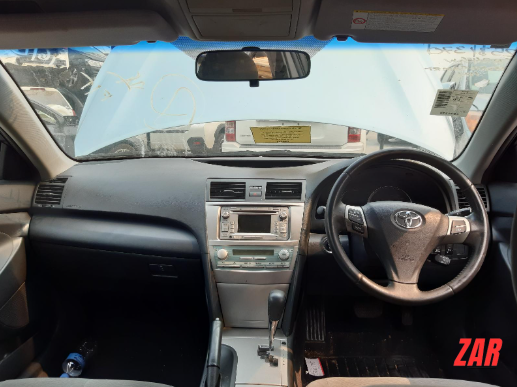
The Camry is front-wheel drive and uses petrol in these conventional petrol configurations. The car seats five people and has a relatively spacious cabin compared with smaller sedans such as the Toyota Corolla. That extra space is one of the reasons the Camry remains popular among Nigerian families, professionals and people who regularly travel long distances.
The 2.5-litre engine is generally the more sensible option for buyers who spend a lot of time in Nigerian traffic. The V6 delivers significantly stronger acceleration, but that extra performance comes with increased fuel consumption.
If you are buying an imported Camry, it is still worth confirming the exact engine and trim using the vehicle identification number because specifications can vary by market.
Toyota Camry 2010 Fuel Consumption in Nigeria
Fuel consumption is one of the biggest issues to consider before buying an older Camry. The car is larger and heavier than a Corolla, and the V6 version naturally requires more fuel.
In real-world Nigerian driving conditions, a healthy 2.5-litre Camry can return approximately 8 to 10 km/L in city driving, while highway driving can improve to around 12 to 14 km/L. A reasonable combined figure can fall around 10 to 12 km/L.
The 3.5-litre V6 consumes more fuel. City driving can be around 6 to 8 km/L, while highway driving may reach approximately 10 to 12 km/L, depending on the driver and condition of the vehicle.
These figures are estimates rather than official Nigerian fuel-economy ratings. Toyota’s original US specifications, for example, gave the 2010 four-cylinder Camry an EPA rating of up to 22 mpg city and 33 mpg highway, while the V6 was rated at 19 mpg city and 28 mpg highway.
Of course, Nigerian driving conditions are different. Lagos traffic, air-conditioning use, tyre pressure, vehicle load, driving style and mechanical condition can all change fuel consumption significantly.
For someone who spends hours crawling through traffic every day, the 2.5-litre engine makes more sense from a fuel-consumption perspective than the V6. But if fuel consumption is not your biggest concern and you want stronger performance, the V6 offers a very different driving experience.
Is the 2010 Toyota Camry Good for Nigerian Roads?
The 2010 Toyota Camry is generally a practical vehicle for Nigerian roads when it has been properly maintained. It offers a comfortable ride, a spacious cabin and enough performance for both city driving and long-distance journeys.
One of its biggest strengths is comfort. Compared with a Corolla, the Camry feels larger and more substantial. The suspension and cabin are designed to provide a smoother driving experience, making it particularly appealing to people who frequently travel between cities.
The car is also familiar to Nigerian mechanics. Toyota has a huge presence in the Nigerian automotive market, meaning finding someone who understands a Camry is usually not difficult. Spare parts are also widely available through both genuine and aftermarket channels.
However, Nigerian roads can be hard on an older vehicle. Suspension bushes, shocks, steering components and other parts can wear over time, particularly if the car has spent years dealing with potholes and rough roads.
This is why two Camrys with the same model year can feel completely different. One may drive smoothly and quietly, while another may feel like every pothole has been personally invited into the cabin.
Safety Features of the 2010 Toyota Camry
Safety is another area worth considering when buying an older vehicle. Toyota’s 2010 Camry introduced or retained several safety technologies, including Vehicle Stability Control and traction control as standard on the US-market petrol models.
However, safety equipment can vary according to trim and market, so Nigerian buyers should inspect the actual vehicle rather than assuming that every imported Camry has exactly the same equipment.
For additional historical crash-test information, buyers can consult the Insurance Institute for Highway Safety vehicle ratings. IIHS explains that its ratings cover areas such as crashworthiness and crash avoidance or mitigation.
More importantly, remember that a 16-year-old vehicle’s current condition matters. A Camry that has been badly crashed and poorly repaired may not provide the same level of protection as a properly maintained example.
That is why airbags, seat belts, warning lights, body structure and evidence of previous accidents should all be checked before purchase.
Common Problems With the Toyota Camry 2010
A Toyota badge does not make a 16-year-old vehicle maintenance-free. When buying a 2010 Camry in 2026, you should expect some age-related wear.
The transmission deserves particular attention. During a test drive, check whether the gearbox changes smoothly. Hesitation, harsh shifting, slipping or unusual noises can indicate a problem that may become expensive to repair.
Suspension components should also be inspected. Listen for knocking sounds when driving over bumps and uneven roads. Worn bushes, shocks and other suspension components can affect both comfort and handling.
Oil leaks are another thing to investigate, especially on high-mileage examples. Look around the engine bay and underneath the vehicle for signs of leakage. Excessive oil consumption should also be investigated rather than dismissed as normal for an old car.
The air-conditioning system needs a proper inspection as well. In Nigeria, a functioning AC is not exactly a luxury. If a seller says the AC only needs “small gas”, do not automatically believe it. The problem could involve a refrigerant leak, compressor, condenser or electrical component.
Engine mounts can also deteriorate with age. Worn mounts may cause excessive vibration when the engine is idling or when shifting between gears.
Electrical problems can occur too, particularly on poorly maintained vehicles or cars that have previously experienced accident or flood damage.
Nigerian-Used vs Tokunbo Toyota Camry 2010
The Nigerian-used versus Tokunbo argument is one that Nigerian car buyers know very well.
A foreign-used Camry will generally cost more because buyers often expect it to have less wear, lower mileage and cleaner bodywork. A clean Tokunbo vehicle can certainly be an attractive purchase, but you should never assume that every imported car is automatically better.
Some imported vehicles may have accident histories, flood damage or mechanical problems before arriving in Nigeria. A car can also receive repairs before being shipped, meaning its appearance may not tell you the whole story.
A Nigerian-used Camry is not necessarily a bad purchase either. If the previous owner maintained the car properly, it could be mechanically healthier than a neglected Tokunbo example.
The smartest approach is therefore to inspect the individual vehicle instead of buying solely because the seller describes it as “foreign used”.
What to Check Before Buying a Toyota Camry 2010
Before paying for a 2010 Camry, get an independent mechanic to inspect it. Do not rely solely on the dealer’s mechanic or the seller’s assurances.
Start with the engine. If possible, inspect the vehicle when the engine is cold. Pay attention to unusual sounds, smoke, leaks and excessive vibration.
The transmission should be tested carefully. Drive the vehicle through different speeds and pay attention to how it accelerates, brakes and changes gears.
The suspension should also be examined. Drive over a reasonably uneven section of road and listen for unusual knocking or rattling sounds. A professional inspection should also cover the steering system, brakes, tyres and underbody.
The bodywork can reveal evidence of previous accidents. Look for differences in paint shade, uneven panel gaps, overspray and replaced panels. Previous bodywork does not automatically make the car a bad purchase, but you need to know what you are buying.
Flood damage is another major concern with used vehicles. Check for unusual corrosion, damp smells, damaged electrical components and other warning signs.
Documentation should never be treated as an afterthought. Verify the VIN and ensure it matches the vehicle documents. For imported cars, the Nigeria Customs Service official website provides access to its Customs Verification Management System and other vehicle-related services. The Customs Service says its verification system can be used to check vehicle clearance status using a VIN or chassis number.
This is particularly important when buying a Tokunbo vehicle because you want to establish that the vehicle’s customs documentation is legitimate before completing the transaction.
It is also worth budgeting for an initial service after purchase. Even if the seller tells you the car has just been serviced, replacing fluids and filters and having the vehicle properly checked can give you a clearer starting point.
Why Nigerians Still Buy the 2010 Camry
The Camry’s continued popularity comes down to a combination of comfort, practicality and familiarity.
It is more spacious than many compact sedans, making it suitable for families. It also offers a quieter and more comfortable driving experience than many smaller cars from the same era.
Spare parts availability is another advantage. Because Toyota vehicles are so common in Nigeria, mechanics and parts dealers are generally familiar with the Camry.
The car can also hold reasonable resale demand when maintained properly. A clean Camry with good documentation and a healthy engine is easier to sell than a neglected example with a questionable history.
For long-distance travel, the Camry is particularly attractive. Its comfortable seats, spacious interior and stable highway behaviour make it suitable for people who regularly travel between Nigerian cities.
Toyota Camry 2010 vs Toyota Corolla 2010
If you are choosing between a 2010 Camry and a 2010 Corolla, the main difference is what you expect from the car.
The Corolla is smaller, generally more economical and usually cheaper to maintain. The Camry gives you more cabin space, greater comfort and a more substantial driving experience.
The 2.5-litre Camry is therefore a reasonable middle ground for someone who wants the comfort of a larger sedan without choosing the thirstier V6.
However, the Camry will generally cost more to run than the Corolla. Buyers should therefore consider not just the purchase price but also fuel, servicing, suspension repairs and other ownership costs.
Is the Toyota Camry 2010 Worth Buying in 2026?
The 2010 Toyota Camry can still make sense in Nigeria in 2026 if you find a properly maintained example at a reasonable price.
The key is not simply finding the cheapest Camry available. A ₦7 million Camry that needs a transmission repair, suspension overhaul, AC compressor and major engine work can quickly become more expensive than a cleaner car that costs more initially.
For buyers concerned about fuel consumption, the 2.5-litre four-cylinder version provides a balance between performance and economy. The V6 is more powerful, but its fuel requirements should be considered before purchase.
A clean Tokunbo model can be attractive, particularly when it has verifiable history and relatively low mileage. However, Nigerian-used vehicles should not automatically be ignored. Condition and maintenance history are more important than the label alone.
Final Thoughts on Toyota Camry 2010 Price in Nigeria
The Toyota Camry 2010 price in Nigeria currently sits around ₦6.5 million to ₦10 million for Nigerian-used examples, while foreign-used models generally fall around ₦10 million to ₦14 million or more. Clean, low-mileage Tokunbo examples can reach approximately ₦12.5 million to ₦14.5 million depending on condition, specification and documentation.
The Camry remains attractive because it offers something the smaller Corolla does not provide to the same extent: more space, greater comfort and a more premium driving experience.
But remember, this is a 16-year-old car in 2026. Even a reliable Toyota can develop age-related problems. Before buying, inspect the engine, transmission, suspension, AC, electrical system and bodywork. Verify the VIN and documents, and get an independent mechanic involved.
If you find a well-maintained 2010 Toyota Camry at a price that reflects its actual condition, it can still be a comfortable and dependable choice for Nigerian roads. Just make sure you are buying the condition of the car, not simply the Toyota badge.