

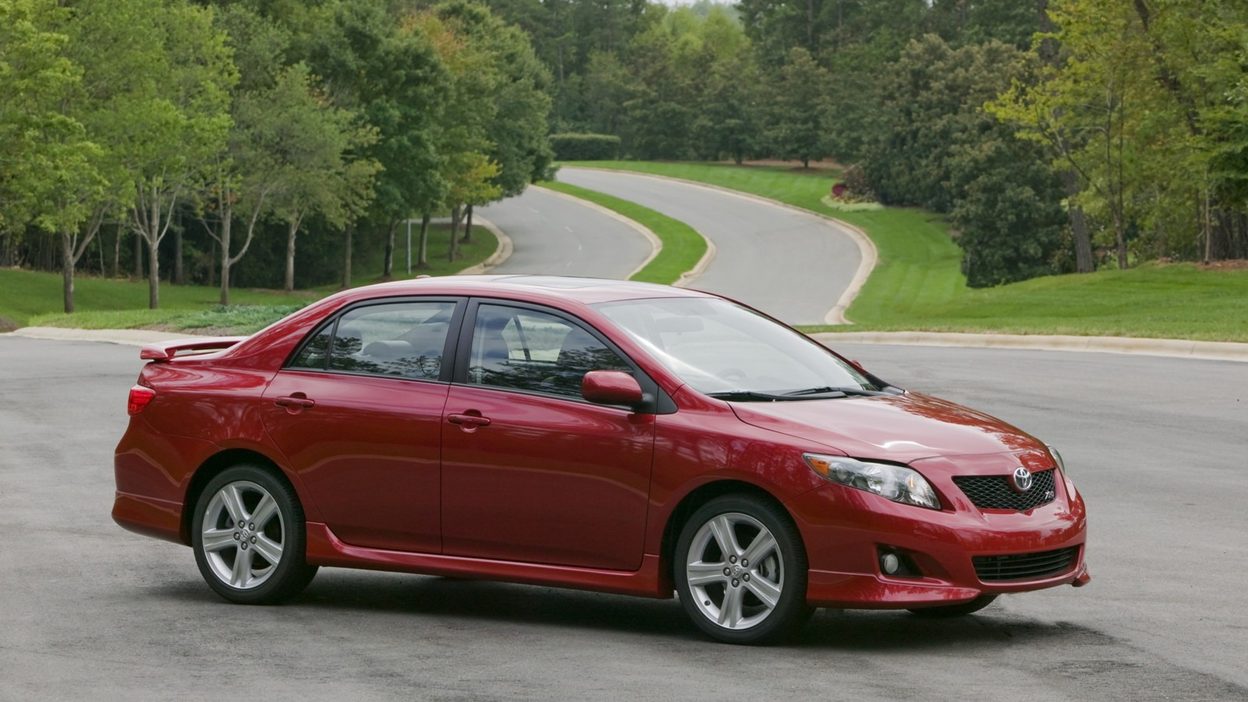
The Toyota Corolla 2010 remains one of the most popular and practical used cars in Nigeria. Even though the car is now more than a decade old, you can still find it everywhere from Lagos to Abuja, Ibadan, Port Harcourt, Benin City and other major Nigerian cities. Its popularity is not surprising. The Corolla has built a reputation for reliability, reasonable fuel consumption, accessible spare parts and relatively straightforward maintenance.
For anyone searching for the Toyota Corolla 2010 price in Nigeria, however, the answer is not as simple as giving one figure. Prices vary considerably depending on whether the car is Nigerian-used or foreign-used, its mileage, mechanical condition, accident history, documentation, location and general appearance. A clean Tokunbo example can cost several million naira more than a heavily used Nigerian example of exactly the same model year.
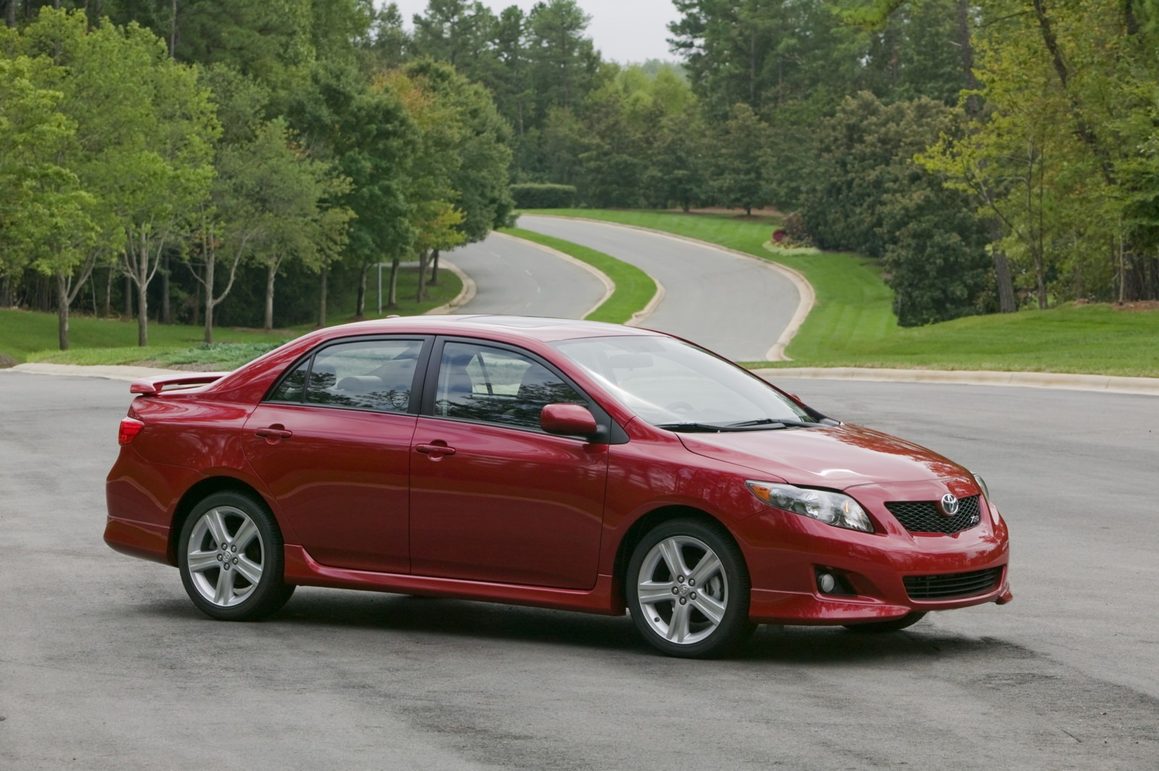
As of September 2026, a realistic buyer should expect to see Nigerian-used Toyota Corolla 2010 models around the ₦5.5 million to ₦9 million range, while foreign-used examples can move from around ₦9 million to ₦12.5 million or more. The actual amount you should pay, however, should depend more on the condition of the particular car than simply the year written on the vehicle papers.
Current Toyota Corolla 2010 Price in Nigeria
The current Toyota Corolla 2010 price in Nigeria varies widely because the Nigerian used-car market does not have one fixed price for every vehicle. Two Corolla models manufactured in the same year can have completely different values if one has been carefully maintained while the other has spent years on rough roads without proper servicing.
Based on current market listings and the September 2026 market range, a Nigerian-used Toyota Corolla 2010 generally falls between about ₦5.5 million and ₦9 million. Many reasonably clean examples are advertised around ₦6.5 million to ₦8.5 million, although particularly clean or well-maintained Nigerian-used cars can be advertised above that range.
Foreign-used or Tokunbo examples are generally more expensive. A realistic budget for a clean Tokunbo 2010 Corolla is around ₦9 million to ₦12.5 million or more, depending on mileage, trim, condition and documentation. Particularly clean, low-mileage examples can command prices around ₦10 million to ₦12 million or higher.
These figures should be treated as a market guide rather than a fixed price list. Used-car sellers often have different asking prices, and negotiation can also change the final amount. A seller asking ₦8 million does not necessarily mean the vehicle is worth ₦8 million, just as a Corolla advertised for ₦6 million is not automatically a bargain.
The most important question is why the car is being offered at that particular price.
What Determines the Price of a Toyota Corolla 2010?
The condition of the vehicle is arguably the biggest factor affecting the price of a 2010 Corolla in Nigeria. The age of the car means that maintenance history matters considerably. A well-maintained Corolla that has received regular oil changes, suspension work and other necessary servicing can remain mechanically healthy despite its age.
Mileage also has an important effect on the asking price. A Corolla showing relatively low mileage may attract more attention than one with extremely high mileage. However, Nigerian buyers should be careful about relying entirely on the number displayed on the odometer because mileage can be manipulated.
The actual condition of the steering wheel, driver’s seat, pedals, suspension, engine and other components can sometimes tell a more convincing story than the odometer. If a supposedly low-mileage Corolla shows extensive interior and mechanical wear, the mileage should be investigated rather than accepted without question.
Location can also affect prices. Lagos and Abuja have large used-car markets, and vehicles in these locations may sometimes command higher asking prices because of demand, availability and operating costs. Nevertheless, location should not be used as the only basis for deciding whether a particular Corolla is expensive.
Documentation is another important consideration. A vehicle with proper ownership documents, registration information and customs documentation where applicable can be more valuable than a cheaper vehicle with questionable paperwork.
Toyota Corolla 2010 Specifications
The regular 2010 Toyota Corolla sold in many markets was equipped with a 1.8-litre four-cylinder petrol engine. One of the key engines associated with the model is Toyota’s 2ZR-FE, which produces approximately 132 horsepower and 128 lb-ft of torque in the relevant Corolla configuration.
Toyota’s published information provides details about the 2ZR engine family and its use in Corolla models. Buyers who want to confirm the original specification of a particular vehicle should also verify its VIN rather than assuming every imported Corolla has exactly the same configuration. Toyota provides a vehicle specification service through its official owners’ platform, which can be useful when researching an individual car. Toyota vehicle specification service
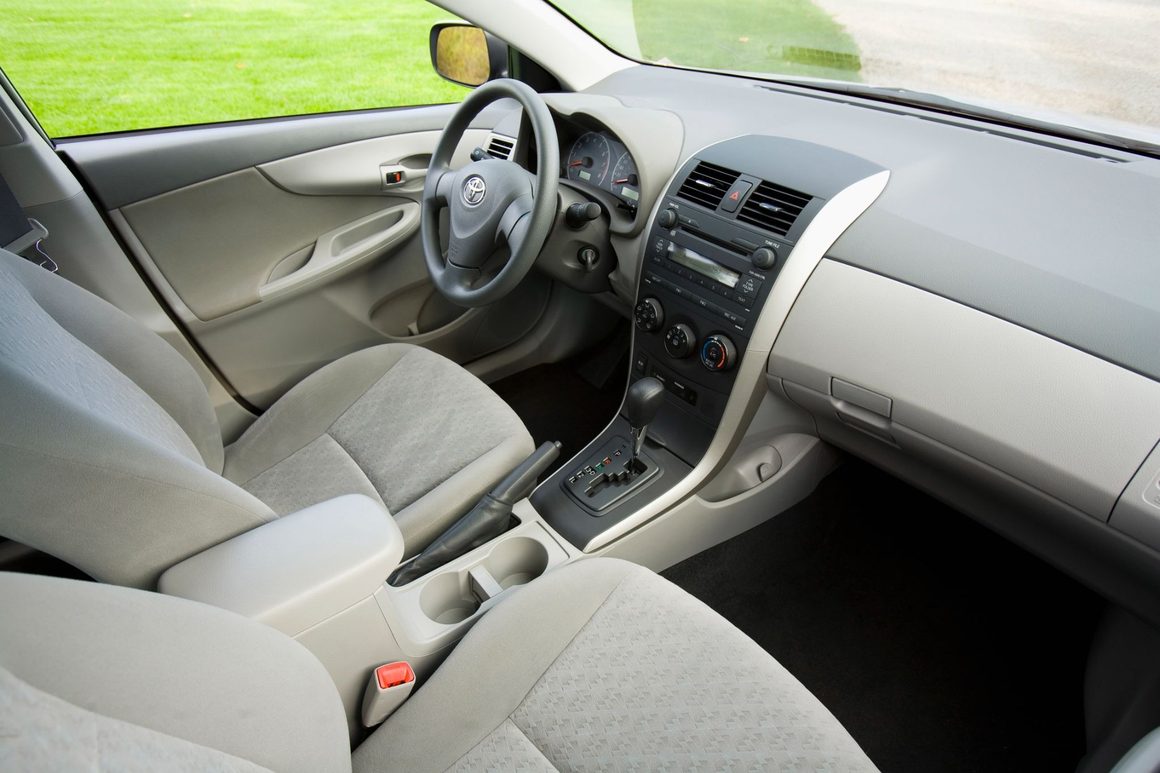
The regular Corolla is front-wheel drive and was offered with either a manual or automatic transmission depending on the market and trim. The automatic version is particularly common among Nigerian buyers because of the convenience it offers in heavy traffic.
The car seats five people and has a petrol-powered engine with a fuel tank of approximately 50 litres. It is a compact sedan rather than a large family vehicle, but its interior and boot provide enough space for normal daily use, commuting and moderate family trips.
There was also a higher-performance Corolla XRS with a 2.4-litre engine producing around 158 horsepower. That version is considerably less common in Nigeria, so most buyers searching for a Toyota Corolla 2010 will encounter the regular 1.8-litre model.
Toyota Corolla 2010 Fuel Economy in Nigeria
Fuel consumption is one of the major reasons Nigerians continue to consider the Corolla. With petrol prices playing such an important role in the cost of vehicle ownership, buying a car that does not consume excessive fuel can make a significant difference over time.
In normal Nigerian conditions, a properly maintained 2010 Corolla can deliver around 10 to 12 kilometres per litre in city driving, although heavy traffic can reduce fuel economy considerably. On an open highway, consumption can improve to approximately 14 to 17 kilometres per litre depending on driving style, road conditions, tyre pressure, vehicle load and the mechanical condition of the car.
Lagos traffic is a particularly important factor. A driver who spends hours moving slowly through traffic with the air conditioner running will naturally record different fuel consumption from someone driving on an open highway.
The condition of the engine and transmission also matters. A poorly maintained Corolla can consume considerably more fuel than a mechanically healthy example. This is another reason why buying the cheapest available vehicle is not always the cheapest decision in the long term.
How Good Is the 2010 Corolla for Nigerian Roads?
The Toyota Corolla 2010 is generally a practical vehicle for Nigerian roads, particularly when it is properly maintained. Its relatively compact size makes it convenient for urban driving, while the four-cylinder engine provides enough performance for normal commuting and moderate highway travel.
One of its biggest advantages is the fact that the model is extremely familiar to Nigerian mechanics. Toyota vehicles have been popular in Nigeria for decades, so finding a mechanic who understands the Corolla is generally easier than finding a specialist for a less common imported vehicle.
Spare parts are also widely available. From suspension components to filters, brake components and various engine parts, Corolla owners generally have access to a large aftermarket and used-parts market. This contributes significantly to the model’s popularity.
However, Nigerian roads can be hard on older vehicles. Suspension components, bushes, shocks and steering components can wear more quickly when the vehicle regularly travels through potholes and rough roads. A Corolla that has spent many years on difficult roads therefore needs a careful suspension inspection.
The car’s interior is another area where its age becomes obvious. Compared with newer Toyota models, the 2010 Corolla has a basic interior, older technology and less sophisticated infotainment. If you are coming from a much newer vehicle, the difference will be noticeable.
Safety Features and Crash Performance
Safety should not be ignored simply because the Corolla is an older vehicle. The 2010 model was built during a period when manufacturers were increasingly incorporating electronic stability control, side-impact protection and other safety technologies into mainstream cars.
The Insurance Institute for Highway Safety recognised the 2010 Toyota Corolla as a Top Safety Pick under the safety criteria used at that time. IIHS crash-testing information for the Corolla generation also records strong results in several crashworthiness categories. You can view the organisation’s historical safety information through the official IIHS website. IIHS 2010 Top Safety Picks
However, an old safety rating does not guarantee that every used 2010 Corolla on the Nigerian market is currently safe. The individual vehicle’s condition is what matters when you are buying second-hand.
If the vehicle has previously been involved in a serious accident, its structural integrity may have been affected. Airbags may also have deployed and been improperly replaced. Seat belts, warning lights and other safety systems should therefore be checked during a professional inspection.
Common Problems With the Toyota Corolla 2010
The Toyota Corolla has a strong reputation for reliability, but no 16-year-old vehicle should be treated as maintenance-free. At this age, wear and tear can become more important than the original design of the vehicle.
Oil consumption is something worth checking, especially on high-mileage examples. Excessive oil consumption can be associated with engine wear and should not be dismissed simply because the vehicle is a Toyota. Check for oil leaks, monitor the oil level and pay attention to unusual exhaust smoke.
Engine mounts can also deteriorate with age. When mounts become worn, the driver may notice increased vibration, particularly when the vehicle is idling or when the transmission is shifted.
Suspension wear is another issue Nigerian buyers should pay attention to. Knocking sounds when passing over bumps can indicate worn suspension components. Because road conditions vary significantly across Nigeria, the previous use of the vehicle can have a major effect on its suspension condition.
The air-conditioning system also deserves a proper inspection. A seller may tell you that the AC simply needs gas, but the underlying problem could involve a compressor, condenser, refrigerant leak, electrical component or another part of the system.
Automatic transmission behaviour should also be examined. The transmission should engage smoothly and shift without significant hesitation, slipping, harshness or unusual noises. If something feels wrong during a test drive, have the vehicle inspected before negotiating the final price.
What to Check Before Buying The Car
The first rule when buying a used Corolla is simple: do not allow the seller’s description to replace an independent inspection.
Start with the engine. If possible, inspect the car while the engine is cold. A cold start can reveal unusual noises, excessive smoke and other problems that may be harder to detect after the engine has already warmed up.
The transmission should then be tested under normal driving conditions. Pay attention to gear engagement, acceleration, braking and unusual sounds. A mechanic should also inspect the engine bay for leaks and signs of previous repairs.
The body should be examined for evidence of accidents. Differences in paint colour, uneven gaps between panels, replaced panels and overspray can indicate previous bodywork. This does not necessarily mean the car should be rejected, but you should understand what happened before deciding how much the vehicle is worth.
Flood damage deserves particular attention when buying an imported or Nigerian-used vehicle. Look for unusual corrosion, damp smells, damaged electrical components and other signs that the car may previously have been exposed to significant water.
The vehicle identification number should also be checked against the documentation. For imported vehicles, buyers should verify customs information before completing the purchase. The Nigeria Customs Service provides information on its vehicle verification system, including the use of VIN or chassis information for customs verification. Nigeria Customs Service
Vehicle registration and ownership information should also be verified through the relevant Nigerian authorities. The National Automotive Council provides vehicle-related services and registration information through its official platform. National Automotive Council Buyers can also make use of the Nigeria Police Force Central Motor Registry Information System for relevant vehicle and ownership checks. Nigeria Police Force Central Motor Registry
Taking these steps before paying can save you from a situation where a seemingly cheap Corolla becomes an expensive legal or mechanical problem.
Nigerian-Used vs Tokunbo Toyota Corolla 2010
The debate between Nigerian-used and Tokunbo vehicles is common among Nigerian car buyers, and the Corolla is no exception.
A Tokunbo Toyota Corolla 2010 will generally cost more than a Nigerian-used example. The attraction is usually the possibility of getting a vehicle with lower mileage, cleaner bodywork and less exposure to Nigerian roads.
However, Tokunbo does not mean perfect. An imported vehicle can have accident history, mechanical problems or previous flood damage. Some vehicles may also have been repaired before being exported. That is why a proper inspection remains necessary regardless of where the vehicle came from.
A Nigerian-used Corolla can also be an excellent purchase when the previous owner maintained it properly. In fact, a well-maintained Nigerian-used Corolla can sometimes be a more sensible purchase than a poorly inspected Tokunbo example.
The best approach is therefore to compare the actual condition of the vehicles rather than simply choosing based on the words “foreign used” or “Nigerian used”.
Advantages of Owning a Toyota Corolla 2010 in Nigeria
The Corolla’s biggest advantage is its established reputation for reliability. When properly maintained, the 1.8-litre engine can provide dependable transportation for everyday driving.
Maintenance is another major advantage. Because the model is common in Nigeria, mechanics are familiar with it and replacement parts are relatively easy to find. This can make ownership less complicated than owning an uncommon vehicle.
Fuel economy is also attractive for drivers who regularly commute. Although actual consumption varies according to driving conditions, a healthy Corolla can provide reasonable fuel economy for a petrol-powered sedan.
The model also has strong demand in the Nigerian used-car market. That can make it easier to sell later compared with some less popular vehicles, although the resale value will still depend on the condition and documentation of the particular car.
Disadvantages of the Toyota Corolla 2010 in Nigeria
The biggest disadvantage is simply its age. A 2010 vehicle is now 16 years old, and even a reliable model will experience age-related wear.
Buyers should therefore expect that components such as suspension parts, engine mounts, sensors, rubber components and air-conditioning parts may eventually require replacement.
The interior also looks dated when compared with modern vehicles. Newer cars offer more sophisticated infotainment systems, improved cabin design and more advanced driver-assistance technology.
Performance is another consideration. The regular 1.8-litre Corolla was designed primarily as an economical everyday sedan rather than a performance car. It has enough power for normal driving, but acceleration can feel modest when the vehicle is fully loaded.
Is the Toyota Corolla 2010 Worth Buying in 2026?
The Toyota Corolla 2010 can still be a sensible choice for a Nigerian buyer in 2026, particularly if your priorities are reliability, manageable maintenance and reasonable fuel consumption.
However, the most important thing is to buy the condition rather than simply buying the badge. The fact that a vehicle is a Toyota does not mean that every used example is automatically reliable.
A ₦7 million Corolla with a healthy engine, good transmission, clean documentation and minimal immediate repairs may be a better purchase than a ₦10 million example that requires extensive mechanical work.
Your budget should therefore include more than the purchase price. It is sensible to leave room for an initial service, fluid replacement, filters, inspection and any repairs that become necessary immediately after purchase.
Final Thoughts on Toyota Corolla 2010 Price in Nigeria
The Toyota Corolla 2010 price in Nigeria in 2026 generally falls around ₦5.5 million to ₦9 million for many Nigerian-used examples, while foreign-used models can range from around ₦9 million to ₦12.5 million or more. Clean, low-mileage vehicles can command an even higher price depending on their condition and documentation.
The Corolla remains popular for good reasons. It is familiar to Nigerian mechanics, replacement parts are widely available, fuel consumption can be reasonable and the model has a long-established reputation for everyday reliability.
But buying a 2010 Corolla should not be treated as a simple price comparison. The cheapest vehicle is not necessarily the best deal, and the most expensive one is not automatically the best example either.
Before paying, inspect the engine, transmission, suspension, air conditioning, electrical systems and bodywork. Verify the VIN and documentation, investigate customs and ownership records where applicable, and have an independent mechanic examine the car.
If you find a properly maintained Toyota Corolla 2010 at a price that matches its actual condition, it can still provide practical and dependable transportation for Nigerian roads in 2026. The key is to focus less on finding the cheapest Corolla and more on finding a well-maintained Corolla that is genuinely worth the money being requested.