The pursuit of automotive speed in 2026 is a fiercely competitive race that directly shapes the future of performance engineering. What was once a simple combustion contest is now a multi-dimensional battle where Chinese electric hypercars shatter the 300 mph barrier, Swedish V8s chase unprecedented theoretical ceilings, and French hybrids completely redefine road car capabilities. These ultimate machines serve as rolling laboratories where the extreme aerodynamic research, materials science, and tyre technology required to maintain stability at over 300 miles per hour eventually trickles down to everyday vehicles, leaving a massive technical inheritance for the broader automotive industry.
Ranking the ten fastest cars in the world requires careful analysis beyond simple headline figures. This comprehensive guide ranks these elite vehicles by their verified or credibly claimed top speeds, detailing their powertrain engineering, pricing, and overall historical significance. We clearly indicate whether a top speed was officially verified through a controlled test run or if it remains a strict theoretical claim based on advanced aerodynamic simulation and engineering modelling. With the single exception of the historically significant track-only Bugatti Bolide, every vehicle featured on this exclusive list is a fully road-legal production car.
1. Koenigsegg Jesko Top Speed 330 mph (531 km/h)
Boasting a 5.0 litre twin turbocharged V8 engine that produces 1600 horsepower on E85 biofuel and 1280 horsepower on standard petrol, this 3 million dollar masterpiece sits at the absolute top of our list. The Koenigsegg Jesko Absolut claims the title of the fastest production car in the world in 2026, not through a verified top speed run but through an engineering case so thoroughly constructed that it remains incredibly difficult to dispute. Christian von Koenigsegg has explicitly described it as the fastest vehicle the company will ever build, and this statement is entirely structural rather than promotional. The Absolut was designed specifically to achieve the highest possible straight line speed with every aerodynamic decision made in strict service of that singular objective. By stripping away the massive rear wing found on the standard Jesko and replacing it with a pair of integrated rear fins that seamlessly guide airflow, the engineering team achieved an exceptionally low drag coefficient of 0.278 Cd. This brilliant aerodynamic refinement results in a staggering theoretical top speed that Koenigsegg simulations confidently place at over 330 mph, which would officially make it the fastest road-legal car ever produced.
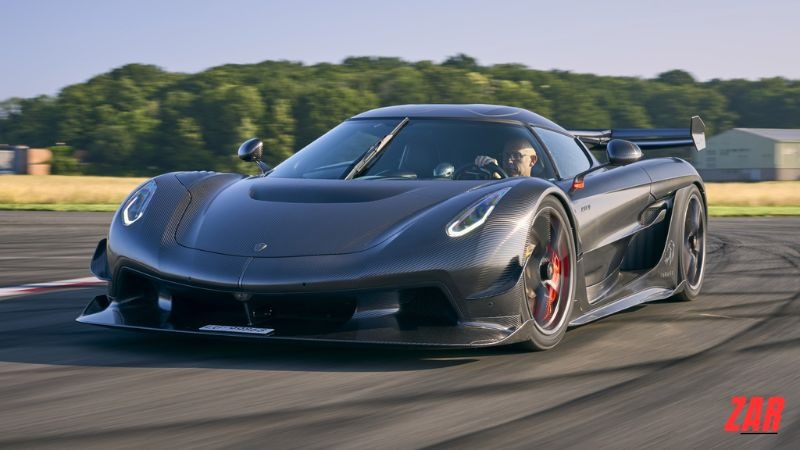
Powering this incredible aerodynamic achievement is a heavily evolved 5.0 litre twin turbocharged V8 derived directly from the legendary Agera RS unit. This monstrous powerplant is perfectly paired with the revolutionary Koenigsegg 9-speed Light Speed Transmission, which utilizes a highly advanced multi-clutch system to execute lightning-fast gear changes in just 20 to 30 milliseconds without ever interrupting torque delivery. At the sustained extreme speeds, the Absolut is engineered to reach this uninterrupted torque during gear changes, which is certainly not a luxury but an absolute engineering necessity. This flawless power delivery actively prevents the dangerous speed fluctuations and chassis instability that low downforce configurations would otherwise create, allowing the vehicle to safely approach its absolute theoretical limits.
2. Yangwang U9 Xtreme Verified Top Speed 308 mph (496 km/h)
Equipped with four electric motors that produce a combined 3000 horsepower, this highly exclusive hypercar, limited to just 30 production units and priced from approximately 200000 pounds, holds a remarkable distinction that the Jesko Absolut simply does not. The Yangwang U9 Xtreme officially verified its staggering 308 mph top speed in a fully documented test run on a runway in Germany in September 2025, making it the highest recorded top speed of any production car in history at that specific point. This monumental achievement firmly stands as one of the absolute most significant moments in the entire story of electric performance vehicles, proving that battery-powered machines can completely dominate the extreme limits of global automotive speed.
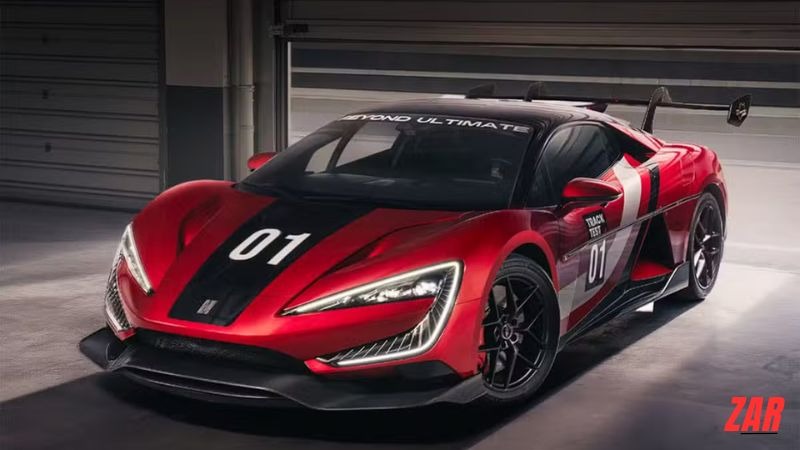
Yangwang operates as a premium sub-brand of BYD, the massive Chinese automotive and energy giant, and the U9 Xtreme beautifully represents the absolute most extreme performance expression of China’s electric vehicle capabilities. The brilliant powertrain utilizes its four independent electric motors operating through a cutting-edge 1200-volt electrical architecture, which is an astonishing three times the voltage of a typical family electric vehicle. This extreme voltage capacity enables vastly higher power transfer with much lower current, drastically reducing internal heat generation and allowing the highly sustained massive power output necessary for a prolonged and successful high-speed run.
3. Hennessey Venom F5 Target Top Speed 311 mph (500 km/h) Verified over 270 mph
Featuring a completely bespoke 6.6 litre twin turbocharged V8 Fury engine that delivers 1817 horsepower this 2.1 million dollar masterpiece is strictly limited to just 24 production units worldwide. The Hennessey Venom F5 stands proudly as America’s most credible answer to the ultimate top speed challenge, representing a hand-built hypercar from Texas-based Hennessey Performance Engineering that pushes pure combustion engineering to a point where it perfectly competes with anything produced in Europe or Asia. Built firmly on a pure philosophy of raw, unfiltered speed through extreme lightweight construction and monstrous power output, this incredible machine intentionally avoids the heavy and complex hybrid systems that so many of its modern competitors currently rely on.
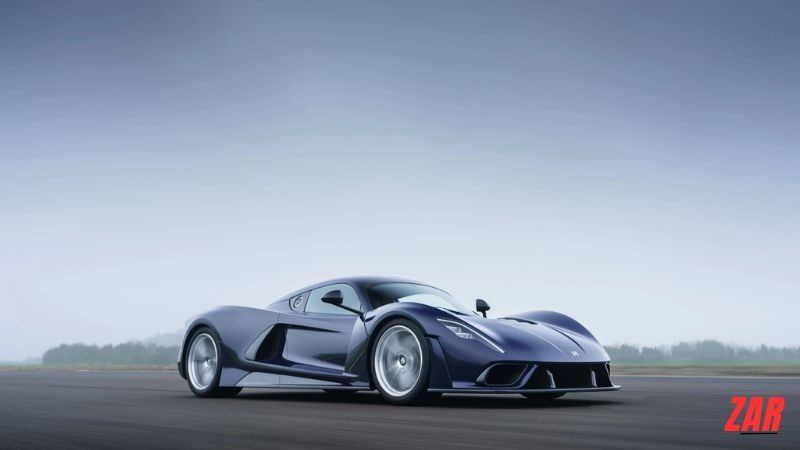
The legendary Fury engine was developed entirely in-house by the Hennessey team and is expertly matched to a lightning-fast seven-speed single-clutch automated manual transmission that sends massive power exclusively to the rear wheels. Thanks to a highly advanced all-carbon fibre monocoque body and chassis structure, the car maintains an extraordinary dry weight of approximately 1360 kg, which is an absolutely incredible figure for a vehicle producing this level of extreme power output. While the F5 was meticulously engineered with a stated target top speed of 311 mph, officially verified test runs have currently pushed the vehicle just over 270 mph, making the elusive 300-plus mph barrier a heavily pursued and highly anticipated target for the ambitious American company.
4. SSC Tuatara Verified Top Speed 295 mph (475 km/h)
Priced at approximately 1.9 million dollars and strictly limited to just 100 production units worldwide, the SSC Tuatara has had one of the more complicated journeys to this list of any vehicle in recent hypercar history. After initial top speed claims completely unravelled due to highly publicized GPS data errors, the American manufacturer conducted strictly verified tests in early 2022, resulting in a confirmed and official 295 mph. While this figure is certainly not the 330-plus mph record initially claimed, it remains an absolutely extraordinary verified achievement that firmly places it among the absolute fastest production cars ever built.
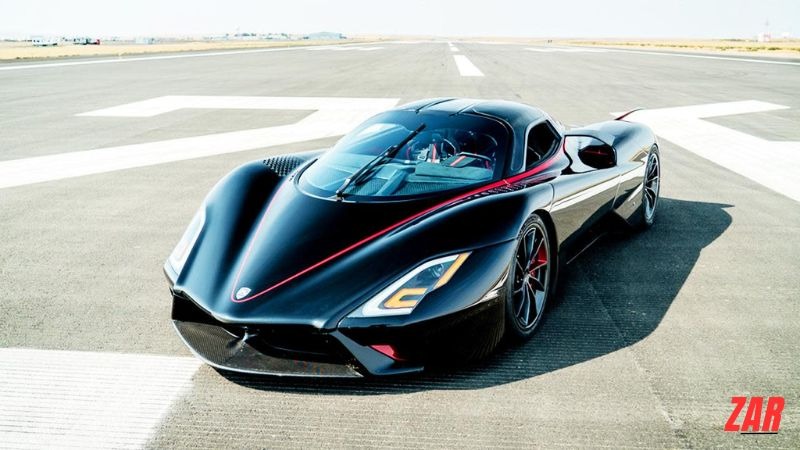
Powering this incredible machine is a highly advanced 5.9 litre twin turbocharged flat plane crank V8 engine that produces a massive 1750 horsepower on E85 flex fuel and 1350 horsepower on standard petrol. The unique flat plane crank configuration, which is much more commonly associated with exotic Ferrari racing engines than traditional American V8s, perfectly enables much higher revving capability and delivers a highly distinctive exhaust character relative to conventional cross plane designs. To ensure maximum high speed stability the carbon fibre body achieves a highly slippery drag coefficient of 0.279 Cd through a brilliant design that was meticulously developed using genuine computational fluid dynamics resulting in a car that cuts through the air with truly incredible efficiency.
5. Bugatti Bolide Top Speed 311 mph (500 km/h)
Priced at approximately 3.4 million pounds and strictly limited to a highly exclusive production run of just 40 units, the Bugatti Bolide represents the final and absolute most extreme expression of the legendary W16 engine. Unlike the other vehicles featured on this list, Bugatti engineers meticulously designed the Bolide entirely free from the strict constraints of standard road homologation regulations, making it a pure track-only masterpiece. Built completely around uncompromised performance, this incredible machine houses a monstrous 8.0 litre quad turbocharged W16 engine that produces an astonishing 1824 horsepower. This massive powerplant effortlessly pushes a vehicle that weighs just 1450 kg, which is an extraordinarily light figure for any car carrying such a massive engine, resulting in an absolutely staggering claimed 311 mph top speed capability.
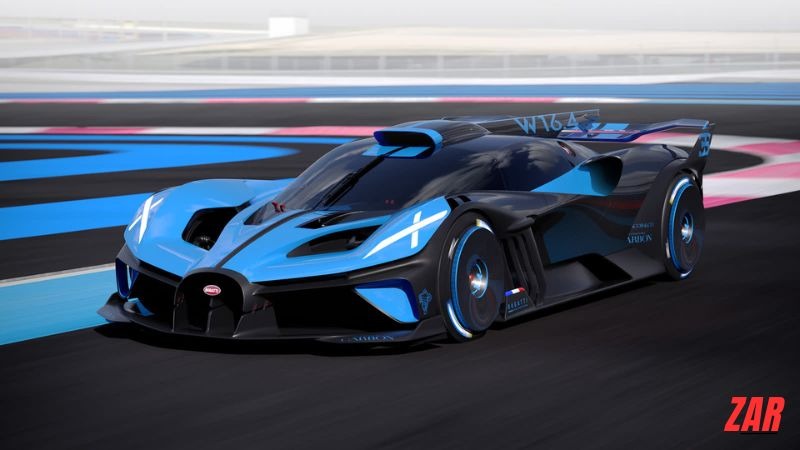
The brilliant engineering team at Bugatti achieved this incredibly aggressive weight target by ruthlessly removing every single component that was not absolutely essential to pure speed. The interior represents a highly focused racing environment featuring lightweight carbon fibre bucket seats, beautifully exposed structural elements, and minimal sound insulation to fully immerse the driver in the raw mechanical experience. To keep this incredibly light chassis firmly planted at extreme velocities, the highly sculpted body generates massive aerodynamic downforce through a brilliant combination of a large rear wing, deep underfloor diffuser channels, and a massive front splitter. At maximum speed, this highly advanced aerodynamic package produces an incredible 1800 kg of downforce, which is a staggering figure that actually exceeds the total weight of the car itself.
6. Bugatti Tourbillon Top Speed 277 mph (445 km/h) 0 to 60 mph Under 2.0 seconds
Priced at approximately 3.2 million pounds the Bugatti Tourbillon arrives as the highly anticipated successor to the Chiron and serves as the breathtaking opening statement of the Bugatti hybrid era. This incredible machine officially replaces the legendary quad turbocharged W16 with a completely new and revolutionary powerplant featuring an 8.3 litre naturally aspirated V16 engine brilliantly developed in close collaboration with Cosworth. While this massive combustion engine produces an impressive 986 horsepower entirely on its own, three advanced electric motors contribute massive additional output to bring the combined system total to a staggering 1800 horsepower. This highly sophisticated powertrain perfectly enables a claimed 0 to 60 mph acceleration time of well under 2.0 seconds, an absolutely mind-bending achievement, especially when considering the substantial two-tonne kerb weight of the vehicle.
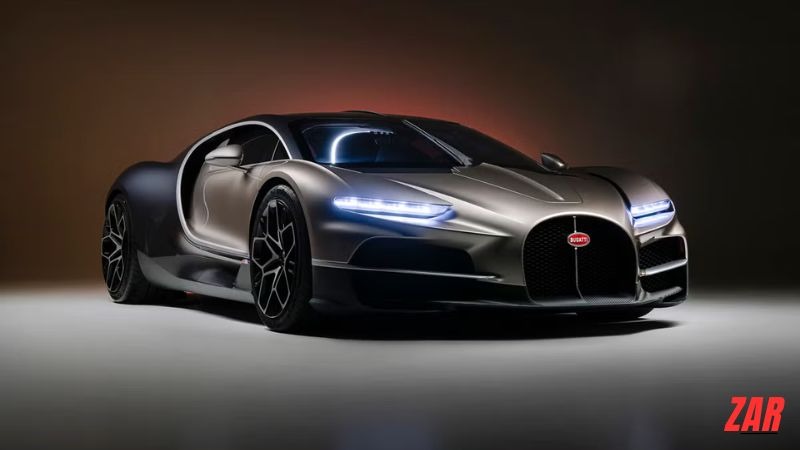
The brilliant integration of this naturally aspirated V16, paired seamlessly with instant electric motor torque, perfectly fills any low-end response gaps, creating a truly unique powertrain character. Bugatti officially describes this highly refined setup as delivering pure performance much like a finely crafted mechanical timepiece, remaining incredibly precise, beautifully layered, and flawlessly consistent at all times. As the spiritual and commercial successor to the absolute most celebrated production car of the past two decades, the true significance of the Tourbillon extends far beyond its incredibly impressive top speed figures and its specific ranked position on this elite automotive list.
7. Rimac Nevera R Verified Top Speed 268 mph (430 km/h) 0 to 60 mph 1.66 seconds
Priced at approximately 2.4 million euros, the Rimac Nevera in its highly updated R specification makes the absolute most compelling current case for pure electric power at the extreme limits of road car performance. While the standard Nevera already completely rewrote history by setting numerous independent world speed records, this heavily track-focused R specification takes things even further. By brilliantly increasing total power output to a staggering 2107 horsepower across four incredibly advanced independent electric motors, the engineering team has significantly tightened the vehicle dynamic calibration. This massive power increase perfectly transforms the already capable machine into a true track weapon, proving exactly what modern battery-powered hypercars can actually achieve when pushed to their absolute maximum potential.
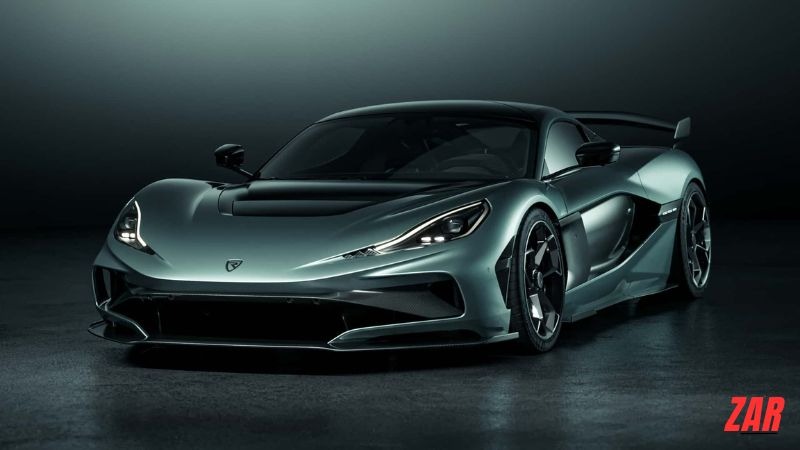
The incredible Nevera R achieves an astonishing 0 to 60 mph time of just 1.66 seconds officially making it one of the absolute quickest accelerating road legal cars in the entire world. This breathtaking figure perfectly reflects the fundamental mechanical advantage of electric motors which can seamlessly deliver maximum torque instantaneously right from a complete standstill without ever needing to build up engine revs. Furthermore the officially verified 268 mph top speed firmly cements the brilliant Croatian engineering team as one of the absolute most technically credible electric hypercar developers in the automotive world today. This monumental achievement aggressively challenges the deeply established combustion engine order, not just in pure straight line acceleration but in overall dynamic driving capability and absolute track dominance.
8. McLaren Speedtail Top Speed 250 mph (403 km/h)
Engine 4.0 litre twin turbocharged V8 hybrid | Power 1050 hp combined | Price Approximately 2.1 million pounds | Production 106 units The McLaren Speedtail is defined by its design philosophy as much as its performance figures. McLaren describes it as a hyper GT, not a track car, but a long-distance grand tourer that happens to be capable of 250 mph. It is the spiritual successor to the McLaren F1, placing the driver in a central seating position flanked by two passenger seats, a layout that optimises the cockpit position within the narrowest, most aerodynamically efficient section of the teardrop-shaped body.
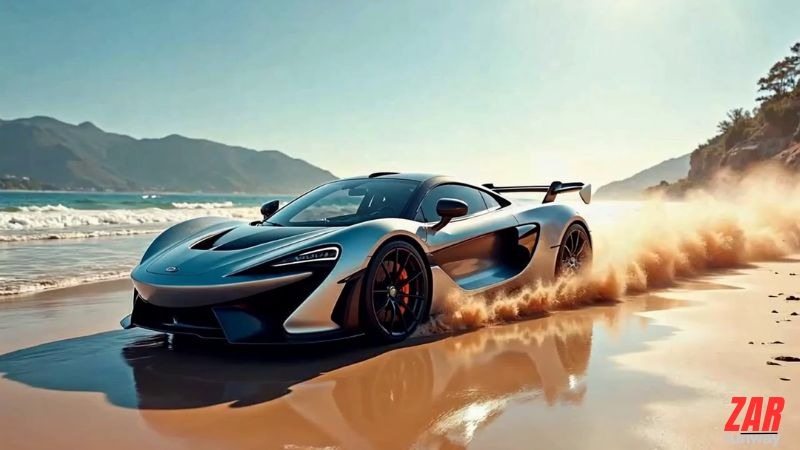
Active carbon fibre ailerons at the rear adjust shape during high-speed running to manage downforce and drag simultaneously, a technology borrowed from aerospace rather than conventional automotive aerodynamics. The hybrid powertrain combines a McLaren 4.0 litre twin turbocharged V8 with an electric motor integration that fills torque gaps, driving through a single speed automatic transmission to the rear wheels only.
9. Aspark Owl SP600 Verified Top Speed 273 mph (438 km/h) 0 to 60 mph 1.72 seconds
Priced at approximately 2.5 million pounds and strictly limited to an incredibly exclusive production run of just 50 units, the Aspark Owl SP600 is a breathtaking Japanese electric hypercar that completely rewrote the absolute record books. By officially setting the Guinness World Record for the fastest electric vehicle in late 2024, this incredible machine proved its absolute dominance on the global stage. Reaching an astonishing verified top speed of 273 mph at the highly prestigious Automotive Testing Papenburg track in Germany, the Owl firmly cemented its rightful place in automotive history. Powering this phenomenal achievement are four highly advanced electric motors that produce a massive combined output of 1985 horsepower, beautifully delivered through all four wheels. This cutting-edge setup features brilliant torque vectoring between the individual motors, providing absolutely flawless traction and extreme stability management during mind-bending acceleration runs.
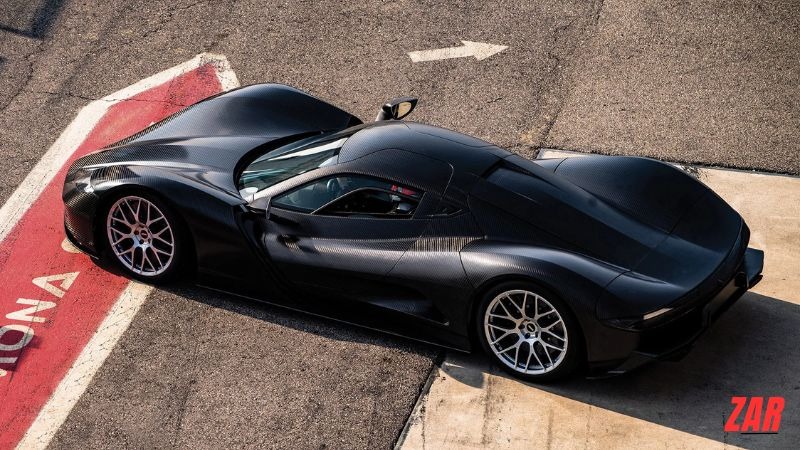
The incredibly sleek body is meticulously constructed entirely from lightweight carbon fibre, ensuring maximum strength and rigidity while keeping overall weight to an absolute minimum. Furthermore, the exceptionally low and wide stance perfectly optimises the car centre of gravity, specifically tailored for the brutal acceleration events that truly define its ultimate performance character. The phenomenal success of the Aspark Owl SP600 perfectly reflects exactly how completely modern electric powertrains have entirely rewritten both the acceleration and top speed record books. This monumental shift in engineering capability beautifully demonstrates a level of extreme battery-powered performance that the entire automotive world widely considered completely implausible just a single decade ago.
10. Bugatti Mistral Top Speed 282 mph (454 km/h)
Priced at approximately 5 million dollars and strictly limited to a highly exclusive production run of just 99 units the Bugatti Mistral earns its rightful place on this elite list not only through its breathtaking speed but through exactly what it profoundly represents in automotive history. This incredible machine officially serves as the absolute last production car to ever use the legendary 8.0 litre quad turbocharged W16 engine, making it the ultimate definitive farewell to the monumental powerplant that completely defined modern Bugatti identity. By reaching a staggering 282 mph top speed the Mistral proudly stands as the absolute fastest open top car ever built firmly cementing its monumental automotive legacy.
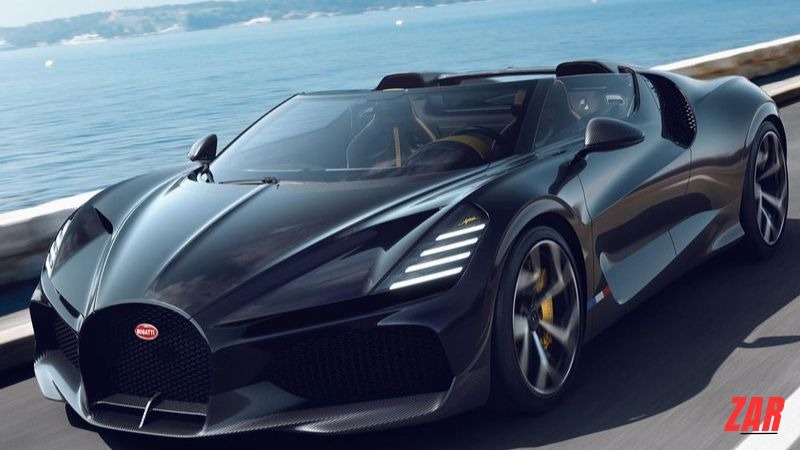
The iconic W16 engine nestled inside the Mistral produces a massive 1578 horsepower that is flawlessly channelled through an incredibly fast seven-speed dual clutch transmission directly to all four wheels. Safely achieving an astonishing 282 mph in an open roadster required the brilliant engineering team to completely redesign the windscreen air management system and structural architecture to perfectly manage the extreme aerodynamic forces that would otherwise become physically dangerous at such immense velocities. To officially validate these incredible engineering efforts, Bugatti successfully conducted a fully documented test run in late 2024 that perfectly confirmed these massive speed figures and permanently set the ultimate open-top production car record for the entire world to admire.
The Engineering That Makes 300 mph Possible
Reaching 300 mph requires looking far beyond mere horsepower. At extreme velocities, air becomes a dense fluid, forcing engineers to utilize active aerodynamic elements like real time adjusting flaps to perfectly balance vital downforce with highly efficient low drag configurations. Meanwhile, the ultimate constraint remains tyre technology, demanding bespoke rubber constructions capable of surviving the immense centrifugal forces and unprecedented thermal loads generated at these extreme speeds.
Simultaneously, the remarkable rise of electric hypercars like the Yangwang U9 Xtreme, Rimac Nevera R, and Aspark Owl SP600 highlights a massive shift in global performance engineering. By leveraging advanced 1200-volt architectures to completely solve historical battery depletion challenges, these advanced machines have firmly entered verified 300 mph territory. Ultimately, these extraordinary vehicles serve as the literal research laboratories of the automotive industry, where the groundbreaking aerodynamic knowledge and brilliant battery management systems developed today will eventually power the next generation of everyday family vehicles.