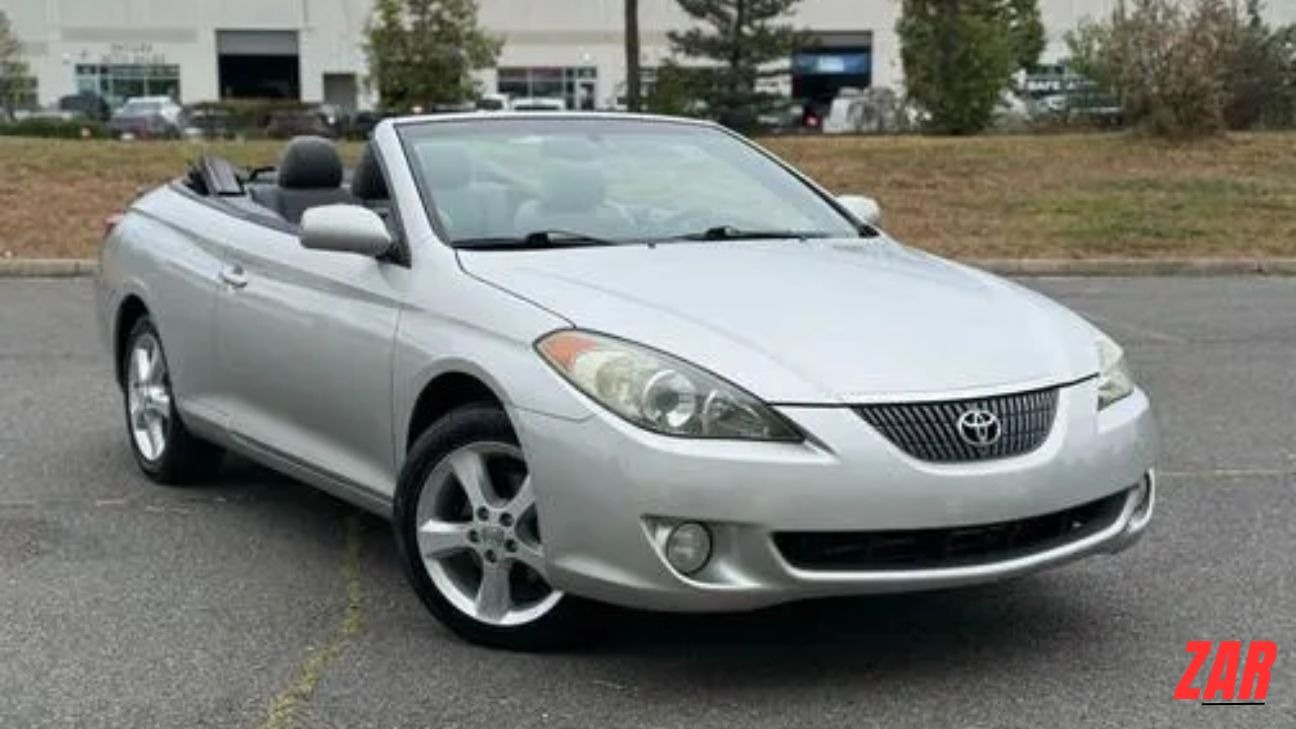
The Toyota Camry Solara remains one of the more interesting side notes in Toyota’s history, a stylish two-door alternative created for buyers who loved the practicality of the Camry but wanted something with a bit more flair. Produced between 1998 and 2008 as both a coupe and a convertible, the Solara focused on comfort, long-term reliability, and relaxed driving rather than sporty performance. Even though production ended years ago, it still has a loyal following in markets like Nigeria where used imports offer that familiar Toyota dependability in a more distinctive body style.
At its core, the Solara was a straightforward idea: take the trusted engineering of the Camry and wrap it in a sleeker, more expressive design. Across its two generations, Toyota offered both four-cylinder and V6 engines with front-wheel drive and the option of manual or automatic transmissions. It never tried to be a true sports car, but it built a niche for drivers who preferred low-maintenance ownership and smooth cruising over sharp handling or aggressive performance.
[wheelzar_review]
First Generation (1998–2003): Design and Character
The first-gen Solara broke away from the conservative styling of the Camry sedan. Riding on the XV10 platform, it wore clean, flowing body lines with a strong shoulder crease stretching from the headlights to the tail. Its front end looked sharper and more purposeful than the sedan’s, thanks to swept-back headlights and a wider grille. With a length of about 190–191 inches and a 105.1-inch wheelbase, it managed to look compact without feeling cramped.
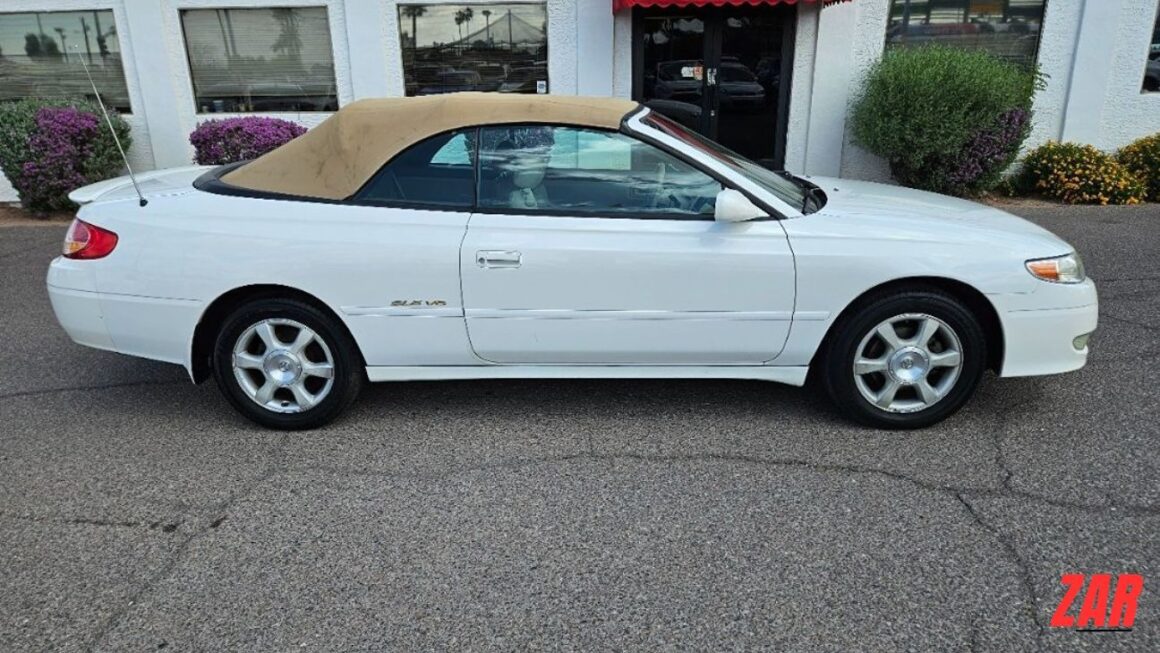
The convertible model arrived in 2000, giving the Solara a whole new personality. With its powered soft top, it switched effortlessly from coupe to open-air cruiser, though the added structural reinforcements made it slightly heavier. A 2001 refresh updated the grille and lighting to keep things modern. Overall, the first-gen Solara struck a nice balance, distinct enough to stand out but not flashy or overdone.
First Generation: Interior and Performance
Inside, the Solara leaned heavily toward comfort. The front seats were supportive, with optional heated leather, and the wood-trim accents gave the cabin a premium touch for its price. The rear seats were tighter than the sedan but still usable for short trips. One thing Toyota nailed was cabin quietness; road and wind noise were impressively low.
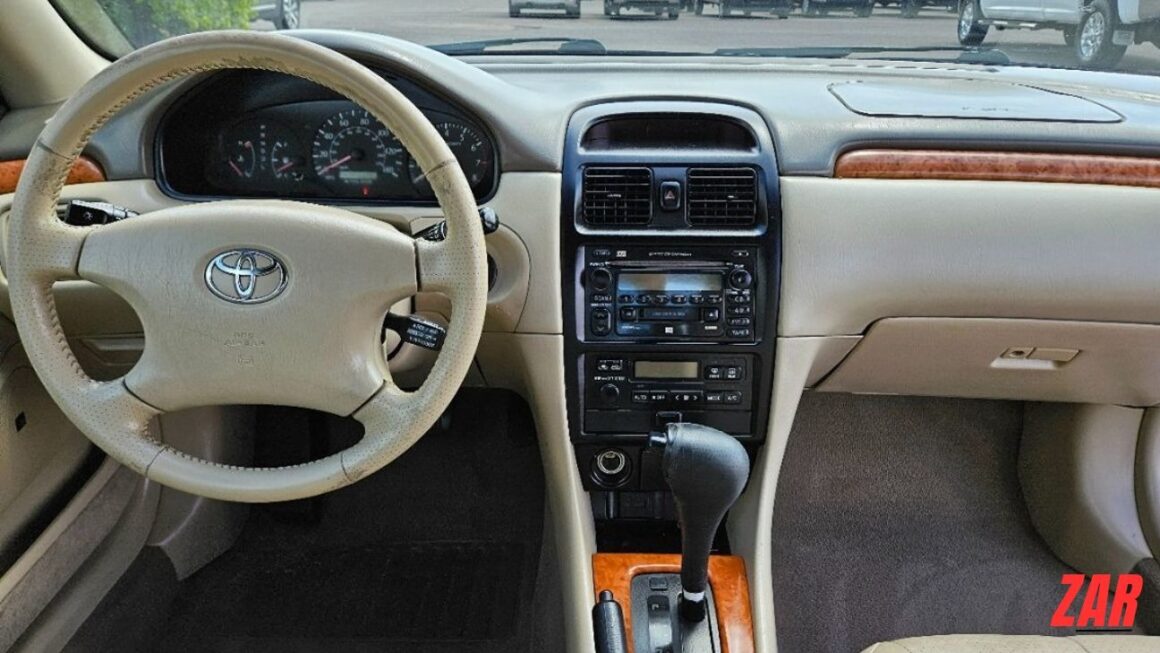
Engine options included a 2.2-litre four-cylinder with 136 hp (later upgraded to a 2.4-litre with 157 hp) and a smoother, more refined 3.0-litre V6 with 200 hp. Buyers could choose between a five-speed manual or a four-speed automatic, though most Nigerians will encounter the automatic versions today. Fuel economy landed between 20–23 mpg city and up to 32 mpg on the highway. Handling was relaxed rather than sporty, and the convertible predictably had some body flex over rough roads.
Second Generation (2003–2008): More Mature and Refined
The second-generation Solara moved to the XV30 platform and adopted a rounder, more aerodynamic design language. It looked softer, more modern, and a bit larger overall, growing to a 107.1-inch wheelbase and 192.5 inches in length. With the redesign came better interior space and a more upscale presence.
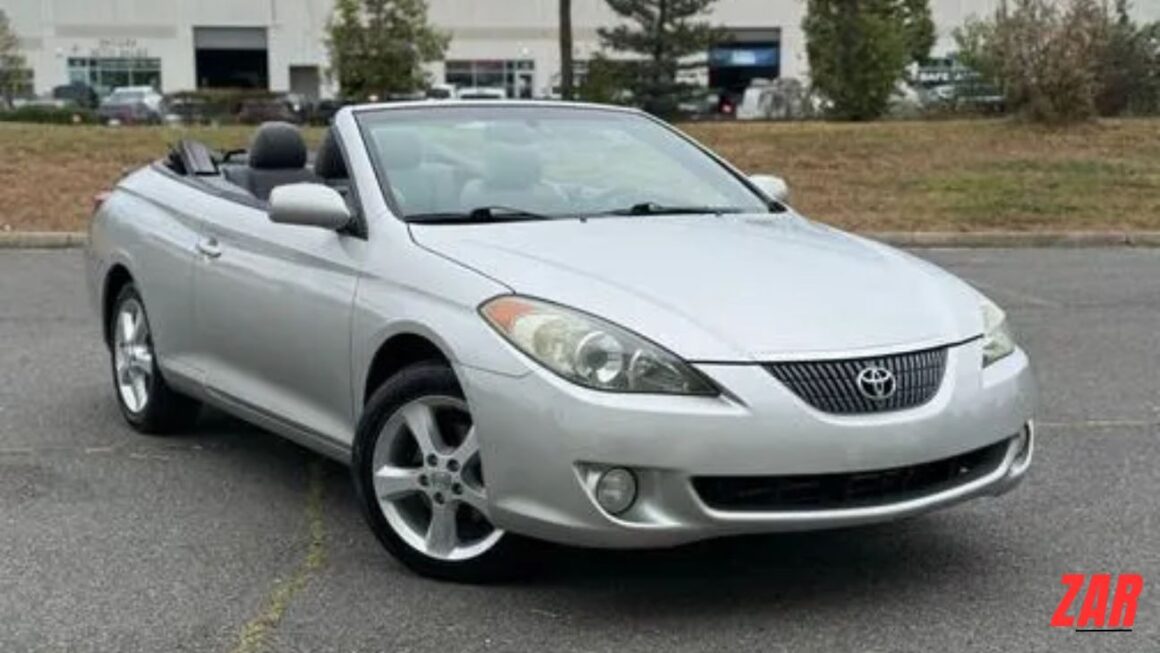
Production shifted from Canada to Kentucky, and the convertible benefited from stronger structural design baked in from the start. A 2007 facelift added LED taillights, refreshed bumpers, and updated lighting. These subtle touches kept the Solara looking relevant even as interest in coupe models began fading globally.
Second Generation: Upgraded Interior and Stronger Engines
Inside, the Solara saw big improvements. Optitron gauges replaced the old dials, and features like Bluetooth, auxiliary audio inputs, satellite radio, and optional navigation addressed the tech demands of the mid-2000s. The overall build quality felt more premium, and Toyota continued to priotise a quiet, comfortable ride.
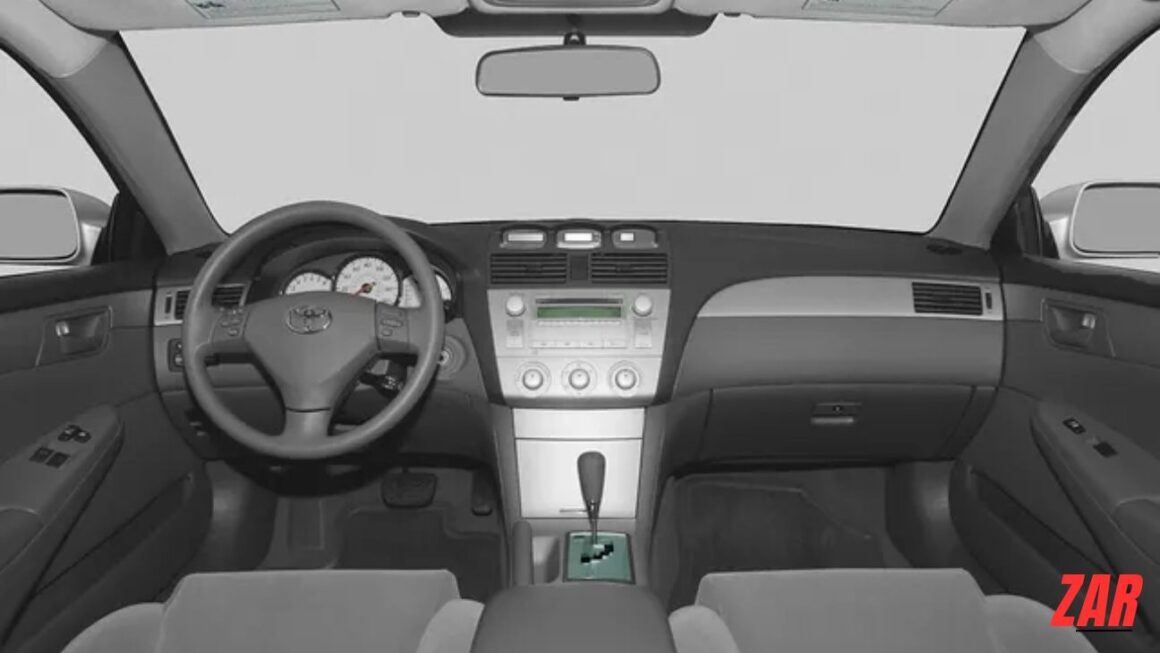
Engine choices included a 2.4-litre four-cylinder with 155 hp and a stronger 3.3-litre V6 with 210 hp. From 2006 onward, the V6 came exclusively with a smooth five-speed automatic. For the rare enthusiasts, Toyota Racing Development (TRD) even offered a supercharger that pushed the V6 to around 262 hp, cutting 0–60 mph times to about 5.6 seconds. Still, the Solara wasn’t built as a sports car, it was meant for comfort-first cruising, and it did that very well.
Owning the Solara in Nigeria
In Nigeria, the Toyota Solara stands out as a dependable used option, mainly because it carries the same reputation for durability that made the Camry a household name. Its soft suspension and decent ground clearance handle bad roads better than many sporty coupes, and Toyota’s wide service network makes maintenance easy. Most mechanics already understand its engine and electrical systems, and replacement parts are generally affordable. However, the climate does take a toll, older dashboards often crack under intense heat, and convertible versions need extra care to keep the fabric top from developing leaks, mold, or premature wear.
Running costs are another factor buyers consider. With rising fuel prices, the four-cylinder Solara is the more economical choice for daily driving, while the V6 delivers smoother power at the expense of higher consumption. Air conditioning must also be in top shape, as many used imports arrive with weak or neglected cooling systems. For Nigerians who just want a stylish, reliable two-door car without the headache of European maintenance costs, the Solara remains a practical and appealing option.
Market Competition
In Nigeria’s used market, the Toyota Solara sits in a competitive space alongside models like the Honda Accord Coupe and Nissan Altima Coupe. Prices vary widely depending on year and condition, with early 2000–2004 units selling between ₦1,000,000 and ₦2,200,000, while clean 2007–2008 V6 convertibles fall between ₦6,000,000 and ₦9,400,000. Compared to direct rivals, the Solara isn’t the sportiest or the most technologically advanced, but it consistently attracts buyers who value Toyota’s reputation for reliability, durability, and lower long-term maintenance costs.
Against European coupes such as the BMW 3-Series or Mercedes CLK, the Solara may lack premium features and sharp performance, but it easily wins in cost of ownership. European models require specialised mechanics and expensive parts, two factors that often lead Nigerian owners into frequent repair bills. The Solara, on the other hand, offers simple engineering, predictable maintenance, and better parts availability, making it a smarter long-term choice for anyone prioritising peace of mind over driving excitement.
Conclusion
The Toyota Camry Solara combines reliability, comfort, and style, making it a standout choice for drivers seeking something more unique than a standard Camry. In Nigeria’s used market, it remains practical and valuable for those willing to maintain a discontinued model, with prices ranging from ₦1 million to ₦9.4 million.
Prospective buyers should inspect the AC, check for rust, verify import documents, and review maintenance history. Convertible owners should also check the top for wear. For those prioritizing stress-free, comfortable driving over performance, the Solara continues to be a smart, dependable option.