

If you are searching for the Toyota Rush price in Nigeria, you are probably looking for a family SUV that gives you seven seats, decent ground clearance and Toyota reliability without the size and running costs of a larger SUV. The Toyota Rush has become increasingly visible in Nigeria because it sits between a conventional family car and a much larger seven-seater SUV.
As of September 2026, the price of a Toyota Rush in Nigeria can range from about ₦8 million for older used examples to more than ₦50 million for newer or brand-new units. The actual amount depends on the model year, condition, mileage, trim, import status and whether the vehicle is Nigerian used or Tokunbo.
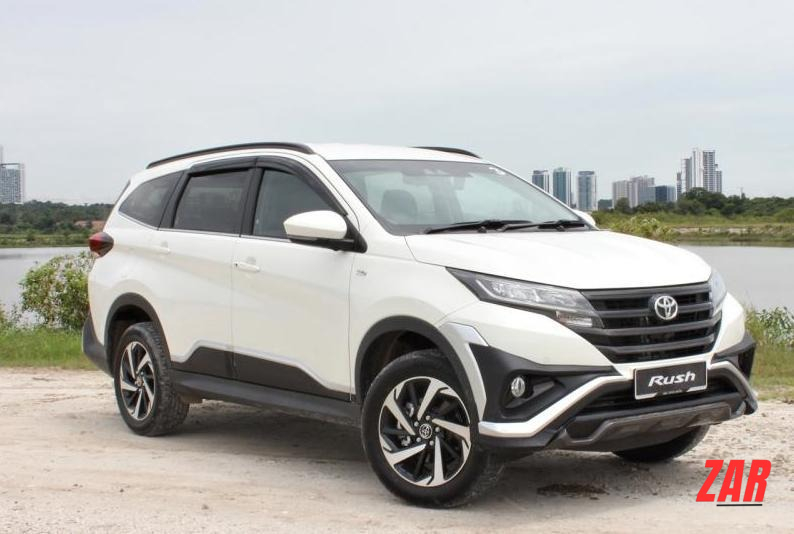
The Rush is particularly interesting for Nigerian buyers because its compact dimensions make it easier to manoeuvre in busy cities while its seven-seat layout gives families considerably more space than a Corolla or similar sedan.
Toyota Rush Price in Nigeria in 2026
The current Toyota Rush market has a wide price range because several generations and model years are available.
Older 2010–2015 Toyota Rush models, whether Nigerian used or Tokunbo, can be found around ₦8 million to ₦15 million, with many examples asking approximately ₦10 million to ₦13 million.
For the newer second-generation Rush, 2018–2020 Tokunbo models generally fall around ₦25 million to ₦35 million, while clean examples often sit around ₦28 million to ₦32 million.
A 2021–2023 Toyota Rush, depending on condition and import status, can cost approximately ₦30 million to ₦42 million, with typical asking prices around ₦34 million to ₦39 million.
Newer or brand-new 2023–2025 examples can reach roughly ₦39 million to ₦50 million or more, depending on specification and seller. For recent models, an average market range of around ₦28 million to ₦35 million is a useful starting point.
Prices are not fixed. Lagos and Abuja tend to have a larger selection, while location, exchange rates, import costs, mileage and dealer margins can significantly affect the final price.
What Is the Toyota Rush?
The Toyota Rush is a compact seven-seat SUV developed primarily for markets where buyers want SUV practicality without moving into a much larger vehicle.
The current-generation Rush shares its basic architecture with the Daihatsu Terios and uses a rear-wheel-drive layout. Its compact dimensions are one of its biggest selling points because you get three rows of seating without driving something as large as a Toyota Fortuner or Highlander.

Toyota positions the Rush around practicality, passenger capacity and everyday versatility. Depending on the market and model year, equipment can include features such as touchscreen infotainment, reverse cameras, keyless entry, stability control and multiple airbags.
The exact equipment varies by market and trim, so Nigerian buyers should always inspect the individual vehicle rather than assuming every Rush has the same features.
Toyota Rush Engine and Performance
Most modern Toyota Rush models sold in markets relevant to Nigerian buyers use a 1.5-litre four-cylinder petrol engine. Output is around 102–104 horsepower depending on specification.
That is not a huge amount of power for a seven-seater SUV, and it is one of the most important things to understand before buying a Rush.
With one or two passengers, the engine is adequate for normal city driving. Once you fill the vehicle with passengers and luggage, however, acceleration becomes noticeably slower. Highway overtaking requires more planning, particularly when travelling uphill or carrying a full load.
The Rush is therefore more focused on practicality than outright performance. If you want a compact seven-seater that is easy to drive and economical to run, its engine makes sense. If you regularly want strong acceleration from a fully loaded SUV, you may find the 1.5-litre engine limiting.
Transmission and Rear-Wheel Drive
The Rush is commonly available with either a manual or four-speed automatic transmission, depending on the market and model year.
For Nigerian city driving, the automatic is likely to be more convenient, especially in heavy traffic. However, a used automatic should be tested carefully for smooth gear engagement, delayed shifting, unusual noises and hesitation.
One interesting characteristic of the Rush is its rear-wheel-drive layout. Unlike many small modern crossovers that use front-wheel drive, the Rush sends power to the rear wheels.
This contributes to its SUV-like driving character and can be useful for certain road conditions, but buyers should still remember that the Rush is not a serious off-road vehicle simply because it is rear-wheel drive.
Fuel Economy of the Toyota Rush in Nigeria
The Toyota Rush offers reasonable fuel consumption for a seven-seat SUV, although real-world results vary according to traffic, passenger load, air-conditioning use and driving style.
In Nigerian conditions, you can expect roughly 9–11 km/L in city driving, around 12–14 km/L on the highway and approximately 10–12.5 km/L combined.
A Rush stuck in Lagos traffic will obviously consume more fuel than one cruising on an open highway. Carrying seven passengers and luggage will also increase fuel consumption.
Still, compared with larger SUVs with bigger engines, the 1.5-litre Rush can be considerably easier on the fuel budget.
Exterior Design and Ground Clearance
The Toyota Rush has a tall, upright body that gives it a proper SUV appearance despite its relatively compact size.
The second-generation model looks more modern than the earlier Rush, with a larger front grille, sharper headlights, pronounced body lines and a more substantial stance. Higher-specification versions can also feature larger wheels, roof rails, LED lighting and other exterior upgrades depending on the market.
Ground clearance is approximately 220 mm, which is useful for Nigerian roads. It gives the Rush an advantage over many low-slung sedans when dealing with potholes, rough surfaces, speed bumps and partially flooded roads.
However, ground clearance does not make the vehicle immune to damage. You should still drive carefully through deep potholes and inspect the underbody when buying a used example.
Interior, Seating and Third-Row Space
The biggest reason many people consider the Toyota Rush is its seven-seat configuration.
The first two rows provide the most usable passenger space, while the third row is better suited to children or shorter journeys for adults. This is common among compact seven-seater SUVs because fitting three full rows into a relatively small body requires compromises.
The rear seats can be folded when you need additional cargo space. That flexibility makes the Rush useful for family trips, shopping and everyday errands.

Interior quality is functional rather than luxurious. Higher trims can offer better upholstery, touchscreen infotainment, automatic climate control and additional convenience features, while lower trims may feel considerably more basic.
If you are buying a used Rush, inspect the seats, dashboard, door panels, touchscreen, power windows and air-conditioning system carefully.
Technology and Safety
Newer Rush models generally offer more technology than the older versions. Depending on the trim and market, equipment may include touchscreen infotainment, Bluetooth connectivity, USB ports, steering-wheel controls, reverse cameras and keyless entry.
Safety equipment can include multiple airbags, ABS, electronic stability control, traction control, hill-start assistance and other driver-assistance features depending on the year and specification.
Toyota’s official information should be used to verify the specification of a particular model. You can also check Toyota’s official website when comparing model information.
Do not assume that two Rush vehicles of the same year have exactly the same equipment. Imported vehicles can have different specifications depending on their original market.
Is the Toyota Rush Good for Nigerian Roads?
The Rush makes sense for Nigerian roads mainly because of its compact size and relatively high ground clearance.
It is easier to manoeuvre through crowded urban areas than a large SUV, while the 220 mm ground clearance gives you more confidence around potholes and rough roads.
Its biggest limitation is power. A fully loaded Rush with seven people, luggage and the air conditioner running hard will not feel particularly quick. This is especially noticeable when overtaking on highways.
For normal family transportation, however, the Rush provides a useful combination of size, seating capacity and ground clearance.
Common Toyota Rush Problems to Watch For
Because many Rush vehicles in Nigeria are used on rough roads, suspension conditions deserve particular attention. Inspect the shocks, bushes, stabiliser links, steering components and wheel alignment.
The 1.5-litre engine is generally more concerned with being economical and durable than being powerful, but neglected servicing can still create expensive problems. Check for oil leaks, overheating, unusual engine noises and poor acceleration.
Air conditioning is another major inspection point. Test the system properly rather than simply turning it on for a few seconds. Confirm that the air becomes cold and that the system works properly for passengers in the rear.
On older or high-mileage examples, inspect electrical components, lights, power windows, infotainment equipment and warning lights on the dashboard.
Tyres and brakes should also be checked because replacing all four tyres or major brake components immediately after purchase can significantly increase your initial ownership cost.
Toyota Rush Maintenance and Spare Parts in Nigeria
Maintenance costs for the Rush can be reasonable compared with those of larger Toyota SUVs, but you should not assume that every component is as cheap or readily available as Corolla parts.
The growing popularity of the Rush has helped improve parts availability, particularly in major Nigerian cities. However, some body panels, interior components and model-specific parts may still require more searching.
Routine maintenance should include engine oil and filter changes, brake inspections, coolant checks, transmission servicing and suspension inspections.
If you are buying a Tokunbo Rush, it is sensible to perform a baseline service immediately after purchase. You do not necessarily know how recently the previous owner serviced the vehicle.
Nigerian Used or Tokunbo Toyota Rush?
A Tokunbo Rush can be attractive because many imported examples have relatively low mileage and cleaner interiors. But Tokunbo does not automatically mean problem-free.
Before buying an imported Rush, inspect the vehicle’s history, VIN, mileage and condition. Look carefully for accident repairs, flood damage and structural repairs.
A Nigerian-used Rush can also be a good purchase if the previous owner maintained it properly. In fact, a well-maintained Nigerian-used vehicle can be preferable to a poorly repaired Tokunbo example.
The key is to judge the individual vehicle rather than simply paying more because the seller describes it as “foreign used”.
For import and customs-related documentation, the Nigeria Customs Service is an important official reference.
Toyota Rush Trims and Features
The exact trim names available in Nigeria depend on the model year and market. Different versions can have noticeably different equipment, including wheel sizes, infotainment systems, interior materials, safety features and exterior styling.
Higher trims generally cost more because of their additional equipment and better specification. However, buyers should prioritise mechanical condition over cosmetic upgrades.
A Rush with a clean engine, healthy transmission and good suspension is usually a safer used-car purchase than a heavily accessorised example with hidden mechanical problems.
Toyota Rush Resale Value in Nigeria
The Rush has an advantage in the Nigerian market because seven-seater vehicles have a broad family-oriented audience.
Resale value will depend on the model year, condition, mileage, service history, documentation and general appearance. Recent models are likely to attract a different buyer from older examples because of their newer styling and equipment.
Keeping your service records, maintaining the suspension and air-conditioning system, and avoiding poorly executed modifications can help preserve the vehicle’s appeal when you eventually decide to sell.
What to Check Before Buying a Toyota Rush
Before paying for a used Toyota Rush, have a qualified mechanic inspect the engine, transmission, suspension and underbody.
Take the vehicle for a proper test drive. Do not simply drive around the dealership for five minutes. Test acceleration, braking, gear changes, steering and suspension over different road surfaces.
Check the air conditioner, dashboard warning lights, electrical systems, tyres and brakes. Examine the body for mismatched paint, uneven panel gaps and signs of previous accident repairs.
If you are buying a Tokunbo vehicle, verify its documentation and history. For Nigerian-used vehicles, ask for maintenance records where available and establish how long the current owner has had the car.
Also check the third row personally. Seven seats sound impressive on paper, but you should make sure the available passenger space actually works for your family.
Is the Toyota Rush Worth Buying in 2026?
The Toyota Rush occupies an interesting position in Nigeria’s SUV market. It provides seven seats and useful ground clearance without becoming as large or mechanically demanding as many bigger SUVs.
Its 1.5-litre engine is not designed for aggressive performance, but it can deliver reasonable fuel economy and lower running costs than larger seven-seaters.
The main issue is pricing. Recent Tokunbo and newer Rush models can cost considerably more than older examples, so buyers need to compare the vehicle’s age, condition and equipment against the asking price.
For someone who needs a compact seven-seater for family and city use, the Rush offers a practical package. The right purchase, however, should still be determined by the actual condition and history of the individual vehicle.
Final Thoughts
The Toyota Rush price in Nigeria currently starts at around ₦8 million for older used models and can exceed ₦50 million for newer or brand-new examples. Recent 2018–2023 Tokunbo and Nigerian-used models occupy much of the current market, while clean, newer examples command substantially higher prices.
The Rush’s biggest strengths are its seven-seat layout, approximately 220 mm ground clearance, compact dimensions, relatively economical 1.5-litre engine and Toyota mechanical reputation.
Its biggest compromises are limited engine power, especially with a full load, relatively basic equipment on some versions and the fact that newer models can be expensive compared with larger or differently equipped used SUVs.
If you are considering one in 2026, focus on the condition of the engine, transmission, suspension, air conditioner and underbody before getting distracted by accessories or trim badges. A thorough inspection can make the difference between buying a practical family SUV and buying an expensive repair project.