If you’ve ever stood at a car lot, scrolled through an online listing, or chatted with a mechanic, you’ve almost certainly heard the word “mileage” thrown around. But what does it actually mean and why should you care? Understanding mileage meaning in cars is one of the most valuable pieces of automotive knowledge you can have, whether you’re buying, selling, insuring, or simply trying to get the most out of the vehicle you already own.

Mileage is far more than just a number on your dashboard. It is a window into a car’s past, a predictor of its future reliability, and a powerful factor in how much money you spend or save over the lifetime of your vehicle. In markets where fuel prices fluctuate constantly and used car purchases are a major financial decision, knowing how to read and interpret mileage can mean the difference between a smart investment and a costly mistake.
This guide breaks down everything you need to know: what mileage means, why it matters, how it affects fuel costs and resale value, and how to use it wisely when making decisions about your car.
What Does Mileage Mean in a Car?
At its core, mileage meaning in cars covers two distinct but equally important concepts:
1. Odometer Mileage: This is the total distance a vehicle has travelled since it was manufactured, recorded by the odometer on your dashboard. Every kilometre or mile your car covers adds to this number. When someone says a car has “high mileage” or “low mileage,” they are almost always referring to the odometer reading.
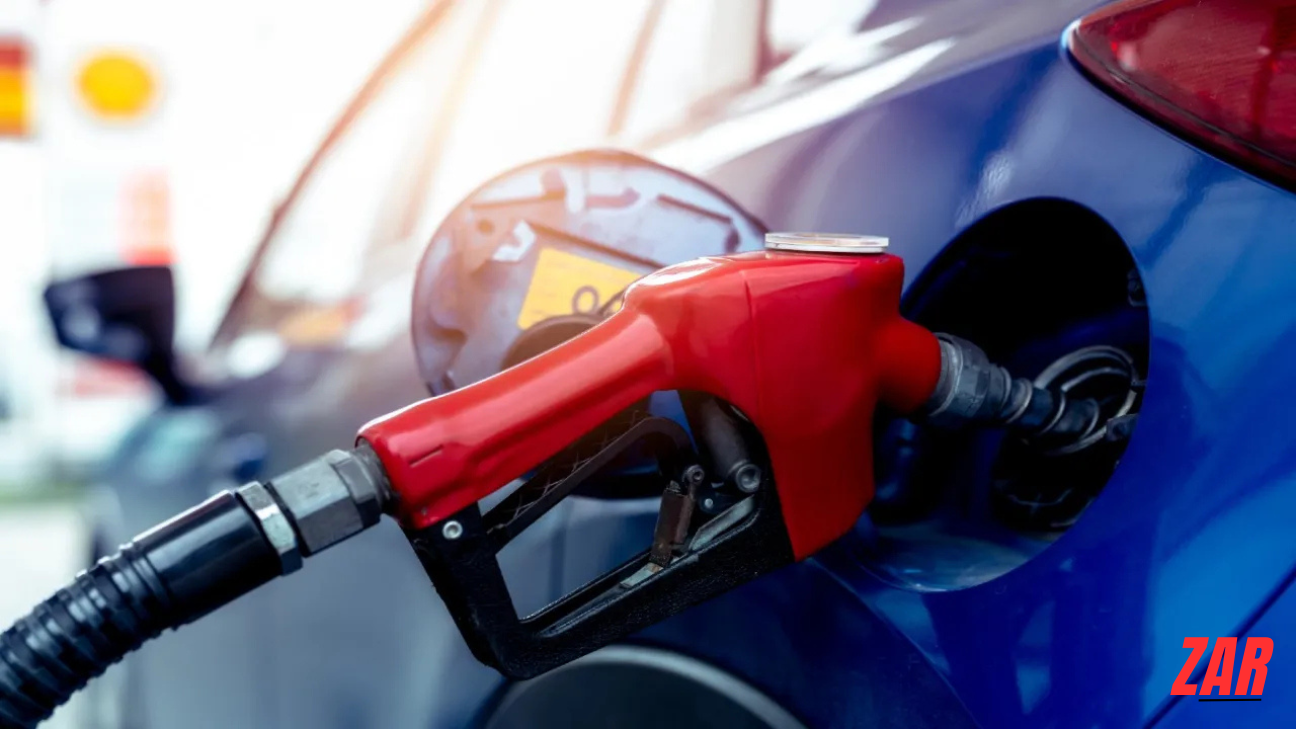
2. Fuel Mileage (Fuel Economy): This refers to how efficiently your car uses fuel typically expressed as miles per gallon (MPG) in the UK and US, or litres per 100 kilometres (L/100km) in many other parts of the world. A higher MPG means your car goes further on less fuel, which directly reduces what you spend at the pump.
Both types of mileage influence your daily driving experience and your long-term finances, so it’s worth understanding each one clearly.
Why Odometer Mileage Matters When Buying a Car
When shopping for a used car, the odometer reading is one of the first things most buyers check and rightly so. It gives you a rough sense of how much wear the vehicle has accumulated. Generally speaking, the higher the mileage, the more the engine, transmission, brakes, tyres, and other components have been used.

However, high mileage doesn’t automatically spell trouble. A well-maintained car with 150,000 miles and a full service history can outperform a neglected car with only 60,000 miles on the clock. What matters most is the combination of mileage and maintenance.
As a useful benchmark, the average driver covers between 10,000 and 15,000 miles per year. This means:
- A 3-year-old car with 30,000–45,000 miles is considered average
- Anything significantly below that range is low mileage
- Anything significantly above is high mileage
When assessing a used car, always pair the odometer reading with the service records. If the two tell consistent stories, you can trust the number. If a car shows very low mileage but has worn pedals, a cracked steering wheel, and faded seat fabric, something doesn’t add up and it may have had its odometer fraudulently rolled back.
Fuel Mileage
While odometer mileage tells you about the past, fuel mileage shapes your financial present. A car’s fuel efficiency determines how much you spend every single time you fill up and those costs add up fast over months and years.
Several factors affect how many miles your car can squeeze from a litre or gallon of fuel:
- Driving habits: Harsh acceleration, hard braking, and high speeds all burn more fuel. Smooth, steady driving conserves it.
- Traffic conditions: Constant stop-and-go city traffic is far less efficient than consistent motorway driving.
- Vehicle weight: Heavier cars require more energy to move and therefore consume more fuel.
- Tyre pressure: Under-inflated tyres create extra rolling resistance, reducing efficiency.
- Engine health: A poorly serviced engine, dirty air filter, or old spark plugs can noticeably reduce fuel economy.
- Air conditioning: Running AC, especially at low speeds, places a significant load on the engine and increases fuel consumption.
Improving your fuel mileage doesn’t require buying a new car. Simple habits like maintaining correct tyre pressure, keeping up with scheduled servicing, reducing unnecessary weight in the boot, and driving more smoothly can make a measurable difference in how far your tank takes you.
How Mileage Affects Resale Value
If you ever plan to sell your car and most people do, mileage will be one of the top factors determining what it’s worth. Buyers in the used car market are acutely aware of odometer readings, and they use them as a primary filter when browsing listings.
All else being equal, a car with lower mileage commands a higher price. Every additional 10,000 miles on an odometer can reduce a car’s resale value by a meaningful amount, depending on the make, model, and market. This is why drivers who want to preserve their car’s value often make conscious choices to limit unnecessary trips, carpool where possible, or use public transport for routine commutes.

It’s also worth noting that mileage affects depreciation differently depending on the car’s age. High mileage on a newer car is proportionally more damaging to resale value than the same mileage on an older vehicle buyers expect newer cars to have been driven less.
Mileage and Car Insurance
Many insurance providers factor mileage into their premium calculations. The logic is straightforward: a car that spends more time on the road is statistically more likely to be involved in an incident. Drivers who cover fewer miles annually are often rewarded with lower premiums.
Some insurers now offer pay-per-mile or low-mileage policies, where your premium is directly tied to how much you actually drive. If you work from home, use public transport regularly, or simply don’t drive very often, it’s worth asking your insurer whether a mileage-based policy could save you money.
Final Thoughts
Understanding mileage meaning in cars is about more than memorising definitions, it’s about making better decisions. Whether you’re evaluating a used car purchase, trying to reduce your fuel bills, protecting your vehicle’s resale value, or finding a fairer insurance deal, mileage sits at the centre of it all.
Check the odometer carefully, maintain your car well, drive efficiently, and track your annual mileage. These simple habits, grounded in a clear understanding of what mileage means, will save you money and help you get the most from every car you own.