Let me save you the suspense right from the start, no, Nigeria has never hosted a Formula 1 Grand Prix. Not even close. But before you click away thinking this is going to be a depressingly short article, stick around. Because the story of why Nigeria hasn’t hosted F1, why it probably should, and why it realistically might never happen is actually far more interesting than a simple yes or no answer.
The Short Answer (For Those in a Hurry)
Nigeria has never hosted a Formula 1 race. In fact, the entire African continent has only hosted F1 once in the modern era the South African Grand Prix, which ran intermittently from 1962 to 1993 at Kyalami Circuit near Johannesburg. Since then? Radio silence from Africa in the F1 calendar. It’s been over three decades, and the world’s fastest motorsport has seemingly forgotten that an entire continent exists.
Why This Matters (More Than You’d Think)
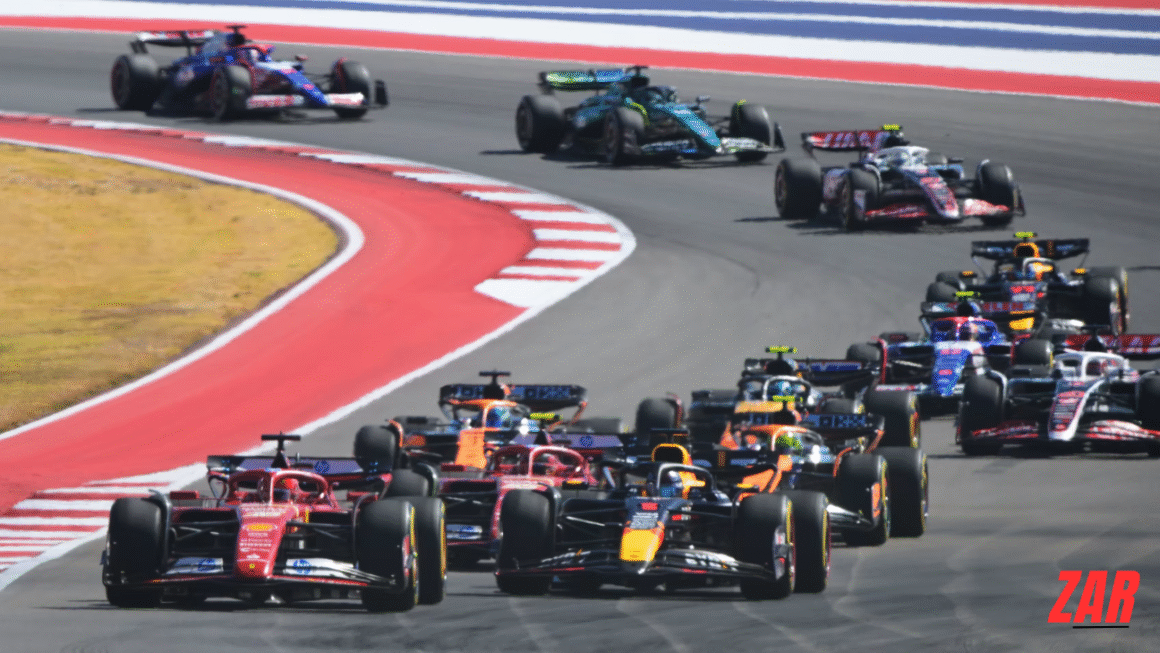
Now, you might be wondering, “Why should I care whether Nigeria has hosted F1?” Fair question. Here’s the thing: Formula 1 isn’t just about fast cars going in circles (well, technically, they don’t even go in circles that’s NASCAR, but I digress). F1 is a massive global spectacle that brings enormous economic benefits, international prestige, and puts host cities firmly on the world map.
Look at what F1 has done for places like Singapore, Abu Dhabi, and even Miami recently. These races aren’t just sporting events; they’re week-long festivals that attract hundreds of thousands of visitors, generate millions in revenue, and provide invaluable global exposure. Singapore’s Marina Bay Street Circuit has become one of the most iconic races on the calendar, and it only started in 2008.
So Why Hasn’t Nigeria Joined the Party?
Ah, now we’re getting to the interesting part. There are several reasons why Nigeria hasn’t hosted F1, and they range from practical to political, from economic to infrastructural. Let’s break them down:
1. The Infrastructure Question (Or Lack Thereof)
Let’s be brutally honest here—hosting an F1 race requires world-class infrastructure that meets extremely stringent FIA (Fédération Internationale de l’Automobile) standards. We’re talking about a circuit that needs to be between 3.5 and 7 kilometers long, with specific safety features, run-off areas, barriers, medical facilities, and technology that can handle split-second timing.
Nigeria, despite being Africa’s largest economy and most populous nation, has struggled with basic infrastructure development. We’re still fighting battles with regular electricity supply and road maintenance. Asking for an F1-grade racing circuit might seem like asking for a space station when we haven’t quite figured out consistent street lighting. The sarcasm writes itself.
2. The Money Situation (Because Everything is About Money)
Here’s where it gets really fun. Hosting an F1 race isn’t cheap—it’s eye-wateringly expensive. We’re talking about hosting fees to Formula 1 Management that can range from $20 million to over $70 million per year. And that’s just the fee to have the race. You still need to build or upgrade the circuit (hundreds of millions), handle logistics, security, hospitality, and a thousand other details.
For context, Nigeria’s government struggles to fund healthcare and education adequately. Imagine the public outcry if billions of naira were suddenly allocated to building a racetrack while hospitals lack basic equipment and teachers go unpaid. The Twitter streets would be on fire for weeks. And rightfully so.
3. Political Will and Priorities
Nigeria has many pressing issues competing for attention and resources: security challenges, economic development, poverty reduction, infrastructure deficits, and social services. In this hierarchy of needs, hosting a Formula 1 race naturally falls somewhere between “nice to have” and “are you kidding me right now?”
Politicians might dream of the prestige, but explaining to constituents why money went to a racing circuit instead of roads they can actually drive on or schools their children can attend would be… let’s say, politically challenging.
4. The Motorsport Culture Gap
Unlike countries with strong motorsport traditions, Nigeria hasn’t historically had a massive motorsport culture. Yes, we have car enthusiasts and some local racing activities, but nothing close to the scale that would create organic demand for an F1 race. We’re a football nation through and through. Try suggesting that Nigeria should spend F1 money instead of building football academies and see how far you get.
But Wait—Should Nigeria Host F1?
Now here’s where I’ll play devil’s advocate for a moment. Despite all the practical challenges, there’s actually a case to be made for why Nigeria could and maybe should aspire to host F1 someday.
The Economic Argument
An F1 race weekend can generate significant economic activity. We’re talking about international tourists spending money on hotels, restaurants, transportation, and local businesses. Singapore reportedly generates over $100 million in economic impact from their Grand Prix. For a country like Nigeria seeking to diversify its economy and boost tourism, that’s not insignificant.
The Prestige Factor
Like it or not, perception matters in international relations and business. Hosting an F1 race signals to the world that you’ve arrived as a sophisticated, capable nation. It’s soft power on four wheels traveling at 350 km/h. For Nigeria’s international image—which let’s face it, could use some polishing—an F1 race could be transformative.
The Infrastructure Catalyst
Sometimes, major events force infrastructure development that might otherwise never happen. The World Cup has prompted stadium and road construction in numerous countries. An F1 commitment could theoretically catalyze infrastructure improvements around the circuit that benefit the broader community. Theoretically.
The Reality Check
But let’s come back to earth for a moment. The realistic answer is that Nigeria hosting F1 in the foreseeable future is highly unlikely. The financial investment required doesn’t make sense given current economic realities and competing priorities. The infrastructure isn’t there. The motorsport culture isn’t sufficiently developed. And honestly, there are about fifty things Nigeria needs to sort out before building a Formula 1 circuit makes any logical sense.
What About Africa More Broadly?
Interestingly, F1 has been making noises about returning to Africa. There have been discussions about races in South Africa, Morocco, and even Rwanda. Rwanda, under Paul Kagame’s leadership, has been aggressively pursuing international sporting events as part of its development and nation-branding strategy. They’ve already secured deals with Arsenal FC, the NBA, and cycling’s Tour du Rwanda.
Could Rwanda beat Nigeria to hosting an F1 race? Honestly, given their track record of actually executing infrastructure projects and their government’s focus on international prestige events, I wouldn’t bet against them. Which would be… well, interesting for Nigeria’s ego.
The Final Lap
So, has Nigeria hosted F1 before? No. Will it anytime soon? Almost certainly not. Should it be a priority? Probably not, considering everything else on the national to-do list. But could it happen someday if the stars align, the economy stabilizes, and someone figures out how to make it economically viable? Never say never.
For now, Nigerian F1 fans will continue doing what they’ve always done—waking up at ungodly hours to watch races halfway around the world, passionately debating Lewis Hamilton versus Max Verstappen, and dreaming of the day when “Lights out and away we go!” might actually be broadcast from Nigerian soil.
Until then, we’ll keep fixing our roads, sorting out our electricity, and maybe, just maybe, building the foundation that could one day support the kind of infrastructure that makes F1 racing possible. Baby steps, people. Baby steps.
But hey, at least we’ve got Afrobeats dominating globally. That’s got to count for something, right?