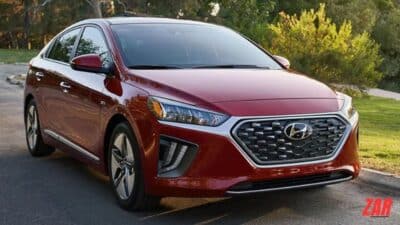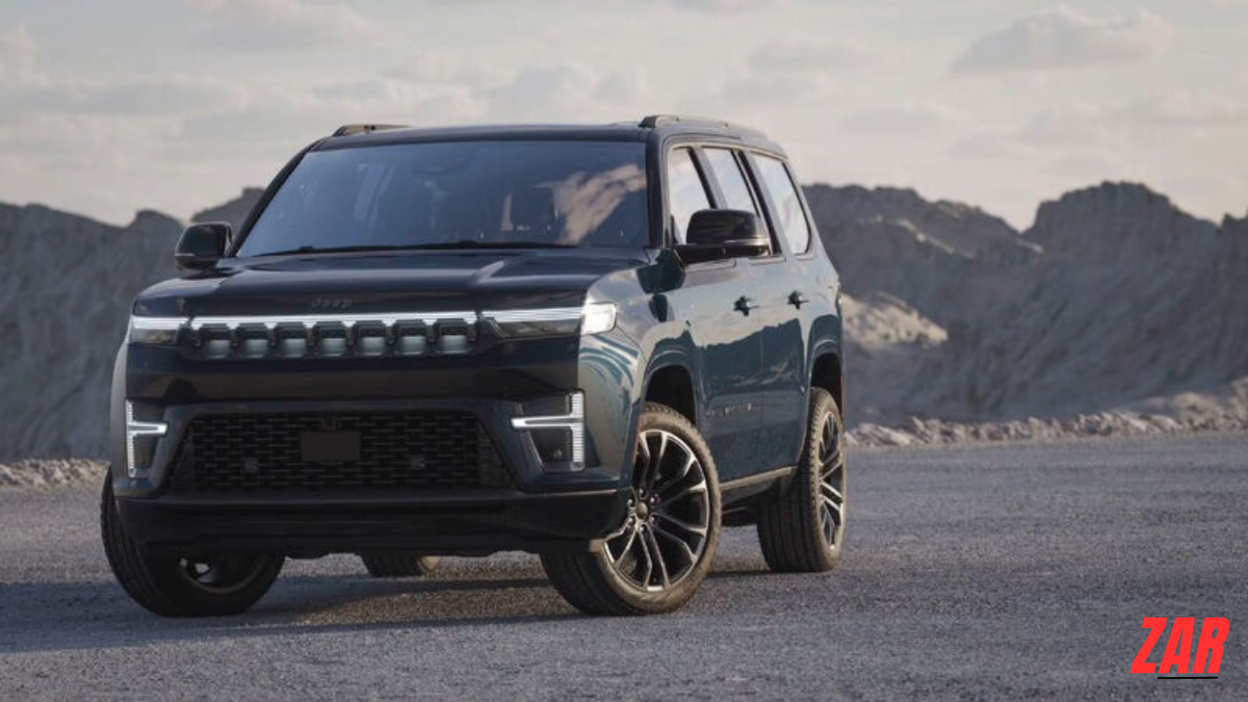
All‑wheel drive (AWD) electric vehicles are EVs that power all four wheels using two or more electric motors. This setup improves traction, stability, and performance especially on slippery roads or rough terrain while preserving the efficiency advantages of electric propulsion. For drivers considering an EV upgrade, AWD models offer better control and confident handling, often at a higher purchase price.
AWD electric vehicles work, when they make sense, how much they cost in naira, and what to look for before buying.
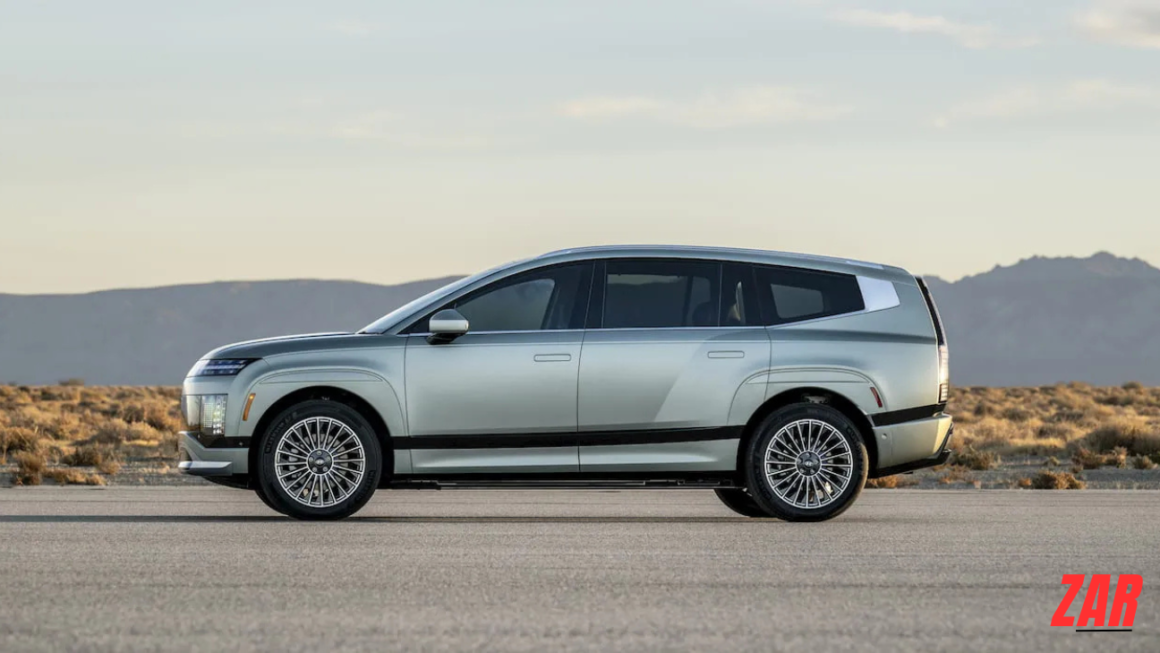
Hyundai Ioniq 7,Image source – electrek
What Are AWD Electric Vehicles?
An AWD electric vehicle uses at least two electric motors typically one on the front axle and one on the rear axle to drive all four wheels independently. Unlike traditional mechanical AWD systems that rely on driveshafts and differentials, EVs use electronic motor control to distribute torque precisely where it’s needed.
Because electric motors respond instantly, AWD EVs can shift power between wheels in milliseconds. The result is improved grip, smoother acceleration, and better stability on wet roads, loose surfaces, and uneven terrain.
Practical takeaway: If you frequently drive in heavy rain, on poorly maintained roads, or carry heavy loads, AWD can make your EV feel more secure and capable.
How AWD Systems Work in Electric Vehicles
Dual‑Motor Layout
Most AWD EVs use a dual‑motor configuration:
- One motor powers the front wheels
- A second motor powers the rear wheels
- Software continuously balances torque between axles
This eliminates complex mechanical linkages and allows precise, real‑time control.
Torque Vectoring and Traction Control
Advanced systems adjust power not just front‑to‑rear, but also side‑to‑side. By controlling individual wheel torque, the vehicle maintains stability during cornering and reduces wheel slip on slick surfaces.
Regenerative Braking Coordination
AWD EVs also coordinate regenerative braking across both axles. This improves energy recovery and enhances control when slowing down, particularly on descents.
Electronic AWD systems are lighter, faster, and more responsive than traditional AWD, improving both safety and efficiency.
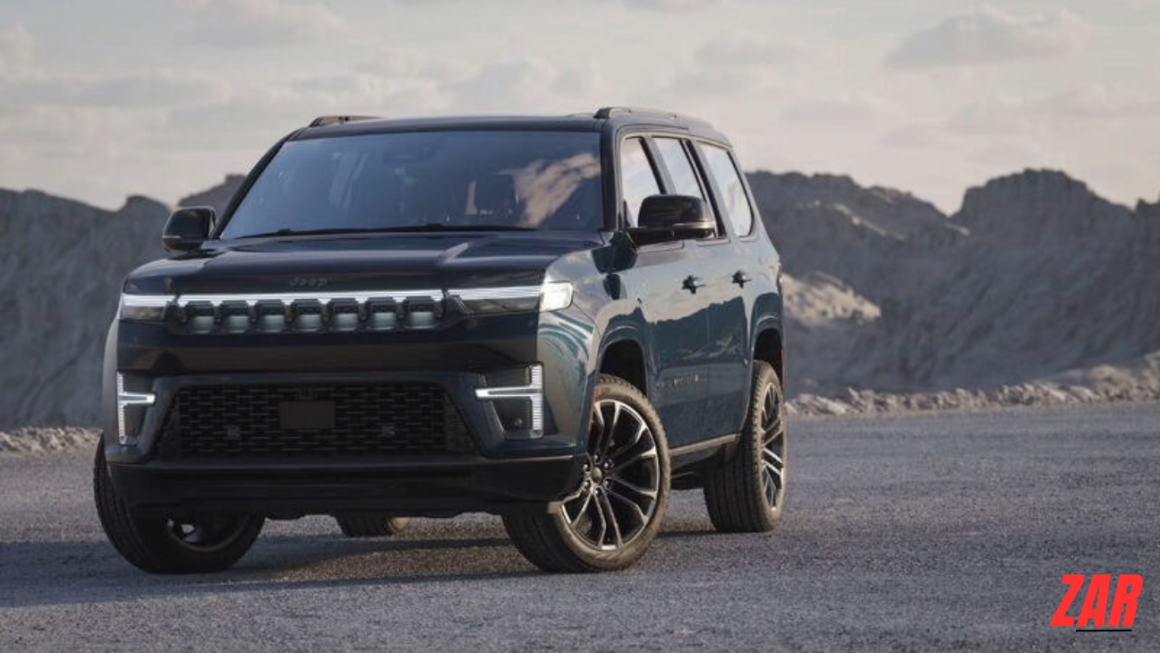
Kia Ev9, Image Source – Linkedin
Benefits of AWD Electric Vehicles
1. Superior Traction in All Conditions
AWD EVs distribute power to wheels with the most grip, improving performance on:
- Wet roads
- Flooded or muddy streets
- Gravel and uneven terrain
- Steep inclines
2. Faster Acceleration
With two motors working together, AWD EVs often deliver stronger launch performance and smoother overtaking power.
3. Better Handling and Stability
Balanced torque improves cornering and reduces understeer or oversteer, making highway driving more stable.
4. No Mechanical Complexity
Fewer moving parts than mechanical AWD systems mean:
- Lower maintenance risk
- Smoother drivetrain operation
- Improved long‑term reliability
AWD EVs combine performance and control without the mechanical downsides of traditional systems.
Drawbacks to Consider
Higher Purchase Price
AWD EVs require additional motors and control systems, increasing cost.
Slightly Lower Range
Extra motors add weight and energy consumption. While software optimizes efficiency, AWD variants often have shorter range than single‑motor versions.
Higher Tyre Wear
Power delivered to all wheels can increase tyre replacement frequency, particularly with performance driving.
Practical takeaway: AWD is valuable, but drivers focused purely on maximum range or lowest cost may prefer single‑motor EVs.
How Much Do AWD Electric Vehicles Cost?
EV pricing varies by brand, battery size, and import costs. Typical market ranges:
- Entry AWD EVs: ₦35 million – ₦55 million
- Mid‑range AWD EVs: ₦55 million – ₦90 million
- Premium AWD EVs: ₦90 million – ₦180 million+
Costs depend heavily on exchange rates, import duties, and local dealer margins.
Ownership costs to factor in:
- Home or commercial charging setup
- Electricity tariffs
- Tyres and servicing
- Insurance premiums
Practical takeaway: Expect to pay a noticeable premium over comparable single‑motor EVs, but lower fueling and maintenance costs can offset this over time.
Popular AWD Electric Vehicle Models
Tesla Model Y (Dual Motor AWD)
The Tesla Model Y AWD uses a sophisticated dual‑motor setup, featuring independent front and rear motors that provide exceptional traction and performance. This configuration allows the vehicle to digitally control torque to the front and rear wheels, resulting in superior handling in all weather conditions, from heavy rain to light snow. Beyond its mechanical capabilities, the Model Y is renowned for its industry-leading efficiency and frequent over‑the‑air software updates that continuously improve everything from battery management to autopilot features.
Hyundai Ioniq 5 AWD
The Hyundai Ioniq 5 AWD combines dual‑motor performance with ultra‑fast charging and a spacious interior, making it practical for families. Its dedicated E-GMP platform allows for a completely flat floor, maximizing legroom and storage space. Additionally, the AWD version offers a significant power boost over the standard model, enabling a 0-100 km/h sprint in just about 5 seconds. The vehicle also features Vehicle-to-Load (V2L) technology, allowing you to power electrical appliances directly from the car’s battery.
Hyundai Ioniq 5 AWD- Image Source Car and drive
Ford Mustang
The Ford Mustang Mach-E AWD offers a compelling balance of sporty handling and practicality, featuring a powerful dual-motor configuration. This setup places motors on both the front and rear axles, enabling intelligent, instantaneous torque distribution that maximizes traction and stability, particularly when accelerating or handling adverse road conditions. The Mach-E provides flexibility through its battery options: Standard Range and Extended Range, allowing consumers to align performance and range with their budget. Crucially, the AWD models boast quicker acceleration than their single-motor counterparts. The cabin is dominated by a large 15.5-inch portrait touchscreen, which is the hub for the SYNC 4A infotainment system, managing everything from navigation to vehicle performance settings.
AWD vs FWD vs RWD Electric Vehicles
| Feature | AWD EV | FWD EV | RWD EV |
| Traction | Excellent | Good | Good |
| Performance | High | Moderate | High |
| Range | Moderate | High | High |
| Cost | Highest | Lowest | Moderate |
| Best For | All‑weather control | City driving | Performance driving |
AWD is ideal for drivers prioritizing control and versatility, while FWD and RWD options suit budget or range‑focused buyers.
Who Should Buy an AWD Electric Vehicle?
AWD EVs are a strong fit for:
- Drivers in regions with heavy rainfall or poor roads
- Families needing extra stability and safety
- Drivers who value strong acceleration
- Rural or semi‑urban commuters
- Drivers carrying heavy passengers or cargo
Single‑motor EVs may be better for:
- Budget‑conscious buyers
- Urban commuters on smooth roads
- Drivers focused on maximum range
Charging and Efficiency Considerations
Dual‑motor EVs consume more power under aggressive driving but remain highly efficient in normal use. Smart energy management systems can disable one motor during steady cruising to conserve battery.
Charging speeds depend on battery architecture and charger type rather than drivetrain layout.
Are AWD Electric Vehicles Worth It?
AWD electric vehicles are worth it for drivers who prioritize traction, stability, and performance. While they cost more upfront and may offer slightly lower range, the added safety and control are valuable in demanding driving conditions.
For many buyers, AWD delivers confidence that justifies the premium especially where road conditions and weather make traction a daily concern.