Image Source –VIP NYC Transfer
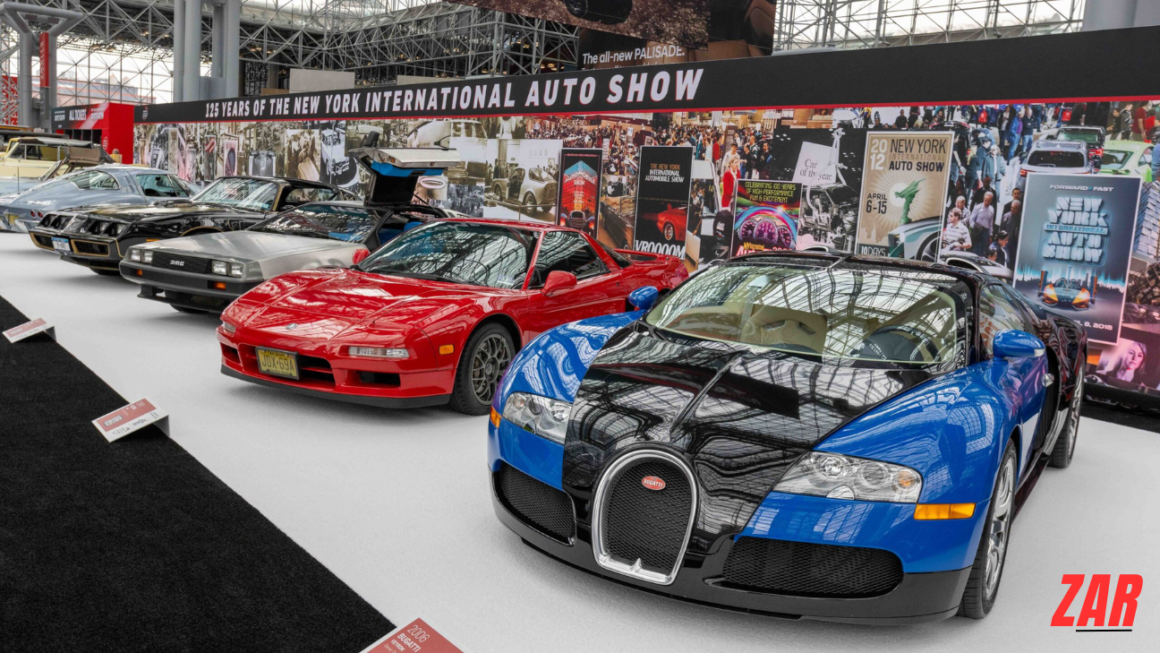
The automotive landscape reached a definitive turning point this April as the industry pivoted from high-performance curiosities to the practical, budget-conscious realities of the mass-market consumer. At the 2026 New York International Auto Show, the primary narrative was no longer about breaking land speed records or vertical-hinged doors, but rather about the democratisation of the electric drivetrain. As fuel prices climb and the initial “early adopter” phase of electrification concludes, the focus has shifted toward family-sized utility and entry-level accessibility. This strategic realignment comes at a critical juncture for the North American market, which is currently grappling with the aftermath of federal tax credit expirations and a notable cooling in pure-play EV demand.
The most significant announcements came from Kia and Subaru, both of which unveiled vehicles designed to plug the gaping holes in the current electric vehicle (EV) segment: affordability and three-row family utility. Kia America took the wraps off the 2027 Kia EV3, marking the model’s North American debut. Positioned as the brand’s most attainable electric SUV to date, the EV3 is expected to hit showrooms in late 2026. Simultaneously,Subaru unveiled the 2027 Getaway, a robust three-row electric SUV seating up to seven passengers. With the Getaway slated for a late 2026 or early 2027 release, these two models represent a concentrated effort to capture the “missing middle” of the market families who need space and commuters who need a sensible price point.
Technologically, the Kia EV3 is a masterclass in downsizing premium features into a compact footprint. Despite its smaller stature, it boasts a target range of approximately 320 miles on a single charge for the long-range variants. One of its standout features is the Vehicle-to-Load (V2L) technology, which allows the car to act as a mobile power bank for laptops, camping gear, or even home appliances during power outages. Inside, the cabin is dominated by a near-30-inch panoramic display, maintaining the high-tech aesthetic of its larger siblings, the EV6 and EV9, but at a price point aimed squarely at the volume-selling segment. Its design is both playful and aerodynamically efficient, ensuring it appeals to a demographic that values both style and operational economy.
The Subaru Getaway, by contrast, focuses on the high-output, high-utility needs of the traditional SUV buyer. Built on a dedicated electric platform shared with its partner Toyota, the Getaway distinguishes itself with a formidable 420-horsepower dual-motor setup and standard Symmetrical All-Wheel Drive. It offers over 300 miles of range and a 95.8-kWh battery pack, but it is the interior packaging that steals the show. Subaru has engineered the cabin to comfortably accommodate six-footers in all three rows, offering 45.6 cubic feet of cargo space with the third row folded, outclassing several established rivals in the same class. By integrating a standard NACS (North American Charging Standard) port, Subaru is ensuring that its family-focused customers have immediate access to over 25,000 Superchargers, effectively eliminating the “range anxiety” that has historically hindered three-row EV adoption.
The roles within these launches are clearly defined: Kia provides the entry-level gateway for those transitioning from petrol hatchbacks, while Subaru provides the high-performance, go-anywhere utility for the established family unit. In this ecosystem, the manufacturers design and build the vehicles, the NACS network powers the journeys, and integrated software suites like Subaru’s EyeSight and Kia’s advanced driver-assistance systems (ADAS) manage the safety and user experience. This division of labour allows each brand to lean into its traditional strengths Kia on value and tech-forward design, Subaru on rugged capability and safety while sharing the underlying burden of charging infrastructure.
This shift signals a broader business strategy of securing market share through diversification. For years, the EV market was top-heavy, dominated by luxury saloons and expensive performance crossovers. By moving into the compact and three-row segments, these manufacturers are entering the “sweet spot” of the American car market. This move is particularly vital now that the federal EV purchase tax credit has expired, forcing manufacturers to compete on product merit and price rather than government subsidies. The emphasis on higher range and faster charging at lower price points is a direct response to the competitive advantage held by petrol-powered cars in a high-interest-rate environment.
When compared to global markets, the North American pace of deployment remains somewhat staggered. While Europe and China have already seen a flood of small, affordable EVs, the US has lagged due to a historical preference for larger vehicles and a slower infrastructure rollout. However, the New York debuts suggest that the gap is narrowing. Competitors like Tesla and various Chinese marques have moved from launch to full-scale deployment in as little as 12 to 18 months in other regions. In the US, the timeline for Kia and Subaru unveiling in early 2026 for a late 2026 delivery reflects a more cautious, yet deliberate, execution aimed at clearing stringent safety certifications and ensuring a robust dealer service network is in place.
The track record of these brands provides the necessary credibility for such a transition. Kia’s EV6 and EV9 have already garnered critical acclaim and significant sales, proving that the Korean manufacturer can compete at the highest levels of EV engineering. Subaru, though a later entrant to the all-electric space, carries the immense brand loyalty of the “outdoor lifestyle” demographic. Their previous milestones in safety ratings and high resale value provide a safety net for consumers who may still be hesitant about abandoning internal combustion.
Ultimately, the 2026 New York International Auto Show marks the end of the “experimentation” era for electric vehicles. We are now entering a phase of industrialised, fleet-scale operations where the success of a vehicle is measured by its utility to an average family rather than its novelty to a tech enthusiast. As gas prices continue to fluctuate and urban air quality regulations tighten, the arrival of affordable, high-capacity EVs like the EV3 and Getaway feels less like a choice and more like an inevitability.
Given the current cooling of the market post-tax credits, should the industry focus more on lowering the initial purchase price of EVs through simpler battery chemistry, or should it continue to prioritise high-end tech features to justify the price premium over petrol vehicles?