There are car collectors, and then there is Sultan Hassanal Bolkiah of Brunei. The distinction is not merely one of scale, though the scale alone is enough to reframe every assumption about what it means to accumulate automobiles. Sultan Hassanal Bolkiah ascended to the throne of Brunei in 1967, inheriting the leadership of a small Southeast Asian nation sitting atop vast oil and natural gas reserves. By the 1980s, those revenues had made him one of the wealthiest individuals on earth, with a personal fortune estimated at over $30 billion USD at its peak. The Sultan channelled a remarkable portion of his fortune into automobiles, not as passive investments, but as active commissions, pushing manufacturers to the outer limits of what they could engineer and build.
The result is a collection of approximately 7,000 vehicles, the largest private automobile collection in history. Within it sit roughly 600 Rolls-Royces, 450 Ferraris, and 380 Bentleys alongside dozens of unique creations from Lamborghini, McLaren, Mercedes-Benz, Porsche, and Jaguar. These numbers, however, only tell part of the story. What makes this collection genuinely extraordinary is not the volume but the depth of bespoke engineering embedded within it. Many of these cars were built exclusively for the Sultan, resulting in vehicles that exist in no catalogue, no dealership, and no other collection on earth.
Rolls-Royce Collection
Rolls-Royce holds the largest numerical presence of all the marques represented in the Sultan’s collection. The approximately 600 examples span virtually every model from the 1970s onward, including the Silver Spirit, Silver Spur, Corniche, Silver Seraph, Phantom, and Ghost, but the standard production specification was rarely the end point. Cars were finished in colors mixed exclusively for the Brunei collection and never offered to another buyer. Interiors were executed in material combinations specified to exacting personal requirements, and many vehicles received genuine mechanical modifications that went well beyond anything in the standard order book. The sheer volume and technical ambition of these commissions effectively helped shape the modern bespoke division of Rolls-Royce.
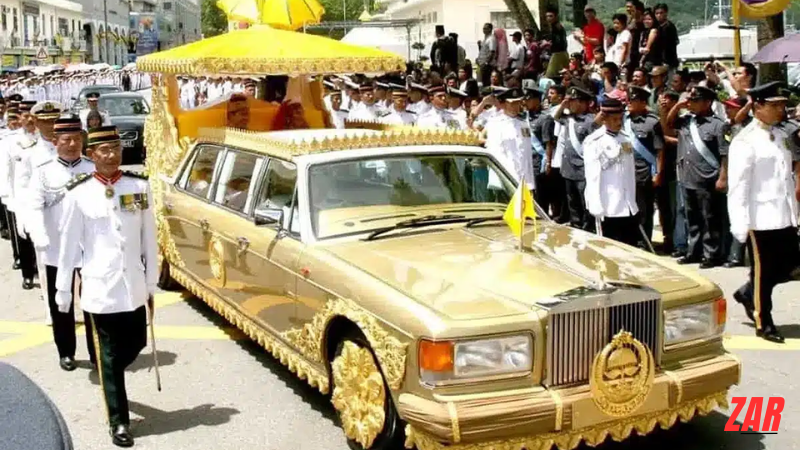
Among these extraordinary commissions, the full gold-plated Rolls-Royce models stand out as the ultimate expression of this boundless customization. Serving as both breathtaking aesthetic statements and symbols of national prestige for state occasions, these specific vehicles command immediate attention. The gold plating extends across the sweeping lines of the exterior, transforming the traditional luxury sedan into a rolling monument of royal grandeur.
Ferrari Collection
The collection of approximately 450 Ferraris stands as one of the most comprehensive archives of Maranello’s modern output, surpassing many institutional museums in both scope and exclusivity. It houses an unbroken lineage of the brand’s most extreme road cars, including multiple examples of the uncompromising F40, the Formula One-derived F50, the Enzo, and the LaFerrari. Owning multiples of these technical marvels is extraordinary enough, but the true significance lies in the unique variants built entirely to the Sultan’s personal specifications. This unparalleled volume of bespoke engineering and custom coachbuilding during the peak commission years fundamentally shaped Ferrari’s modern One Off and Tailor Made programs.
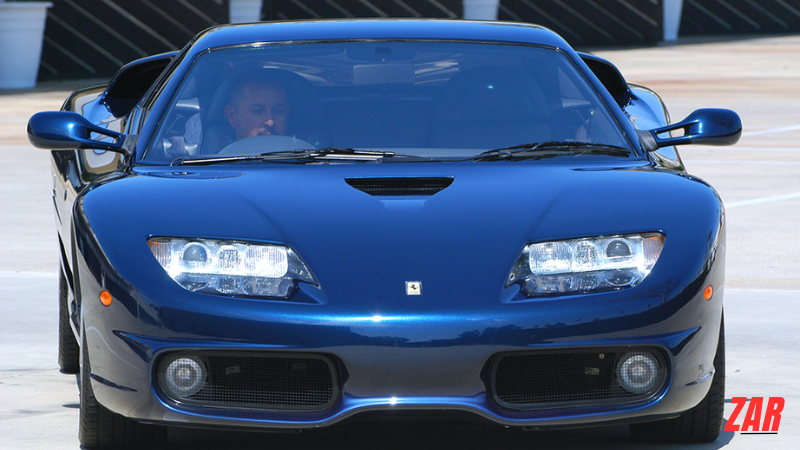
The crown jewels of this bespoke relationship are undoubtedly the exclusive custom creations like the 1995 Ferrari FX. As a striking testament to limitless resources, the FX was built on a modified 512M chassis and featured a 4.9-liter flat 12 engine producing roughly 440 horsepower. What truly defined the FX, however, was its groundbreaking transmission. Long before paddle shift gearboxes became standard in performance road cars, the Sultan commissioned the Williams Formula 1 team to engineer a seven-speed electro-hydraulic sequential transmission specifically for this vehicle. Clothed in a sweeping aluminum and carbon fiber body designed by Pininfarina, the FX was a fully functional, track-capable machine that perfectly blended Grand Prix technology with high-end coachbuilding.
Bentley Collection
The collection of approximately 380 Bentleys tells a parallel story of extraordinary automotive patronage. During the Sultan’s most active collecting period, Bentley and Rolls-Royce operated together under Vickers ownership, meaning these massive commissions directed toward Crewe supported both marques simultaneously. The sheer volume of work flowing from Brunei often represented a meaningful share of total factory production in certain model years. This relentless demand for bespoke specifications, bodywork modifications, and one-off interior treatments effectively revitalized Bentley’s Mulliner division, cementing its modern role as a premier coachbuilder capable of executing anything a client could imagine when neither resources nor commitment were limiting factors.
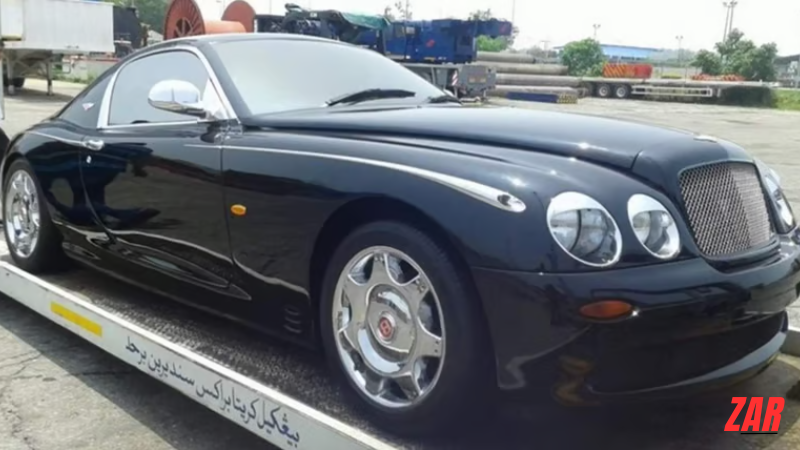
Beyond highly customized versions of the Azure, Continental R, and Arnage, the true marvels of this collection are the unique models commissioned exclusively for the royal family. A perfect example is the Bentley Buccaneer. Built in the 1990s, the Buccaneer is a retro-styled grand tourer that shares no exterior body panels with any production vehicle. Underneath its sweeping exterior lies a robust Continental R chassis and Bentley’s legendary turbocharged V8 engine. It perfectly illustrates how the Sultan’s patronage pushed manufacturers to create entirely new, fully engineered vehicles that remained completely hidden from the public eye.
The One-of-One Commissions
Beyond the sprawling marque collections, a subset of vehicles in the Sultan’s garages occupies a category entirely their own. These are cars that exist as single examples engineered to specifications no other buyer has matched, representing a level of manufacturer commitment that current economics make essentially unrepeatable.
Lamborghini
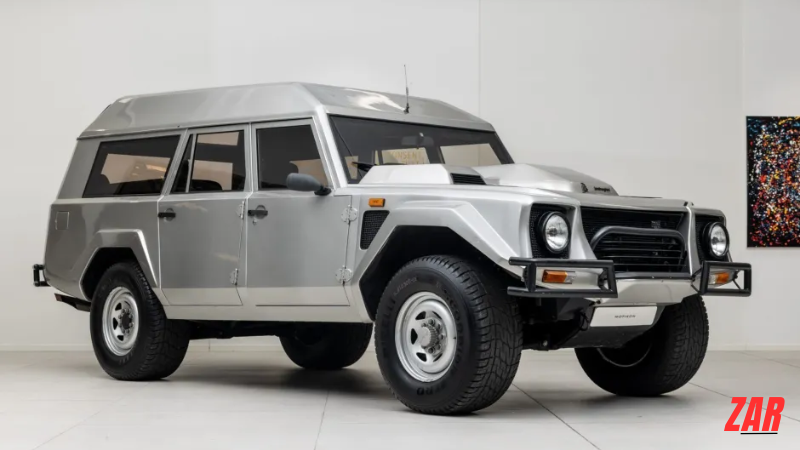
Lamborghini’s relationship with the Brunei royal family produced some of the most technically dramatic one-off creations of the 1990s. The Diablo-based special editions commissioned for the Sultan and his brother, Prince Jefri, featured unique bodywork, powertrains developed beyond the standard production specification, and bespoke colour treatments executed at Sant’Agata. One notable example is the Lamborghini LM002-based Diomante wagon, a one-off utility vehicle blending Lamborghini’s V12 performance credentials with coachbuilt bodywork, which surfaced at auction in recent years. They were machines built around genuine high-performance mechanicals, pushed further by manufacturer collaboration.
McLaren F1
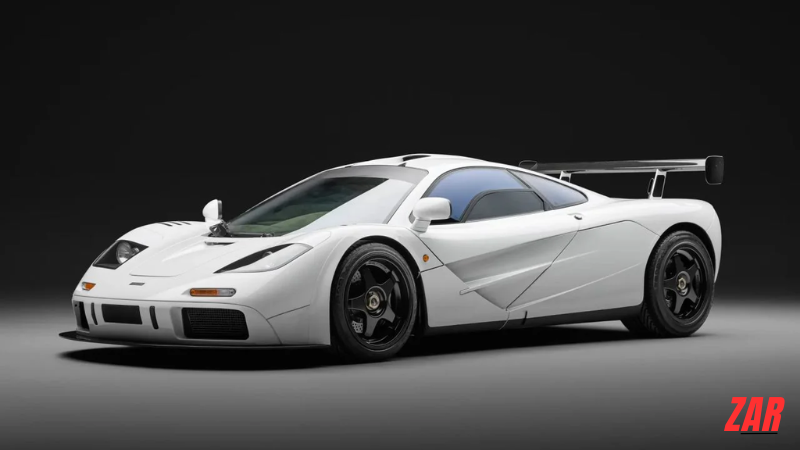
Among the most coveted pieces in this bespoke tier are several examples of the McLaren F1, which remains one of the most consequential road cars ever built. Of the mere 106 road cars produced between 1992 and 1998, the Sultan secured a significant number to satisfy his deep appreciation for Gordon Murray’s uncompromising design philosophy. At the heart of this masterpiece sits a spectacular naturally aspirated BMW S70/2 6.1-liter V12 engine, a brilliant piece of engineering that showcases the absolute pinnacle of what BMW is capable of producing for true automotive enthusiasts. Producing 627 horsepower in a car weighing just 1,138 kilograms, this glorious powerplant propelled the vehicle to a top speed of 240.1 mph, making it the fastest production car in the world for over a decade. With no traction control or driver aids, the F1 offered pure mechanical feedback and an engine note widely regarded as one of the finest ever heard on the open road.
Housing 7,000 Cars
Housing a collection of 7,000 vehicles presents logistical challenges as extraordinary as the cars themselves. The Sultan stores this unparalleled fleet across a sprawling complex of specially built and climate-controlled garages at the Istana Nurul Iman palace in Bandar Seri Begawan. Maintaining this sheer volume of automobiles requires a massive and highly specialized institutional operation. A dedicated number of mechanics and detailers work continuously to keep the collection in pristine condition. Their daily tasks involve running engines, lubricating brake systems, monitoring tire pressures, and preventing fuel degradation across thousands of vehicles that might sit idle for months or even years.
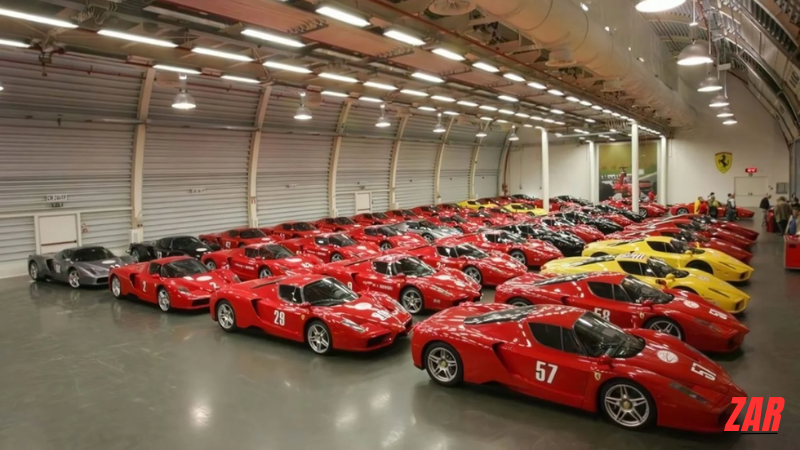
Within these expansive facilities, the vehicles are meticulously organized by marque and model family, creating dedicated wings for Rolls-Royce, Ferrari, and other legendary manufacturers. While limited access has occasionally been granted to select media, the royal family has never permitted comprehensive documentation of the entire collection. This immense logistical reality naturally leads enthusiasts to wonder how many of these machines actually see the open road. Ultimately, only a small fraction of the fleet is actively used for state occasions or personal enjoyment. The vast majority exist in a state of permanent preservation, sparking ongoing philosophical debates among purists about whether such extraordinary automobiles are meant to be driven or simply admired.
Conclusion
The Sultan of Brunei’s collection serves as much more than a private garage; it is a profound historical record of the global automotive industry operating at the absolute peak of bespoke commissioning. During this uniquely wealthy era, manufacturers were pushed far beyond their standard technical limits to create modified Lamborghinis, specially engineered Rolls-Royces, and unique Ferraris.
These ambitious projects laid the crucial groundwork for modern custom programs like Ferrari’s Tailor Made, Rolls-Royce’s Bespoke division, and Bentley’s expanded Mulliner operation. The commercial viability and brand-reinforcing power of highly customized, premium-priced vehicles were definitively proven by the sheer volume and extraordinary quality of the commissions flowing out of Brunei.