The car alternator is the unsung hero of a vehicle’s electrical system. While most drivers associate starting issues with a failing battery, the alternator is often the actual culprit behind persistent electrical problems. It is the component responsible for generating electricity while the engine is running, powering the vehicle’s electronics and keeping the battery charged for the next start.
we will examine exactly how a car alternator works, the common signs that it is beginning to fail, and how to maintain this critical component to extend its lifespan.
What is a Car Alternator?
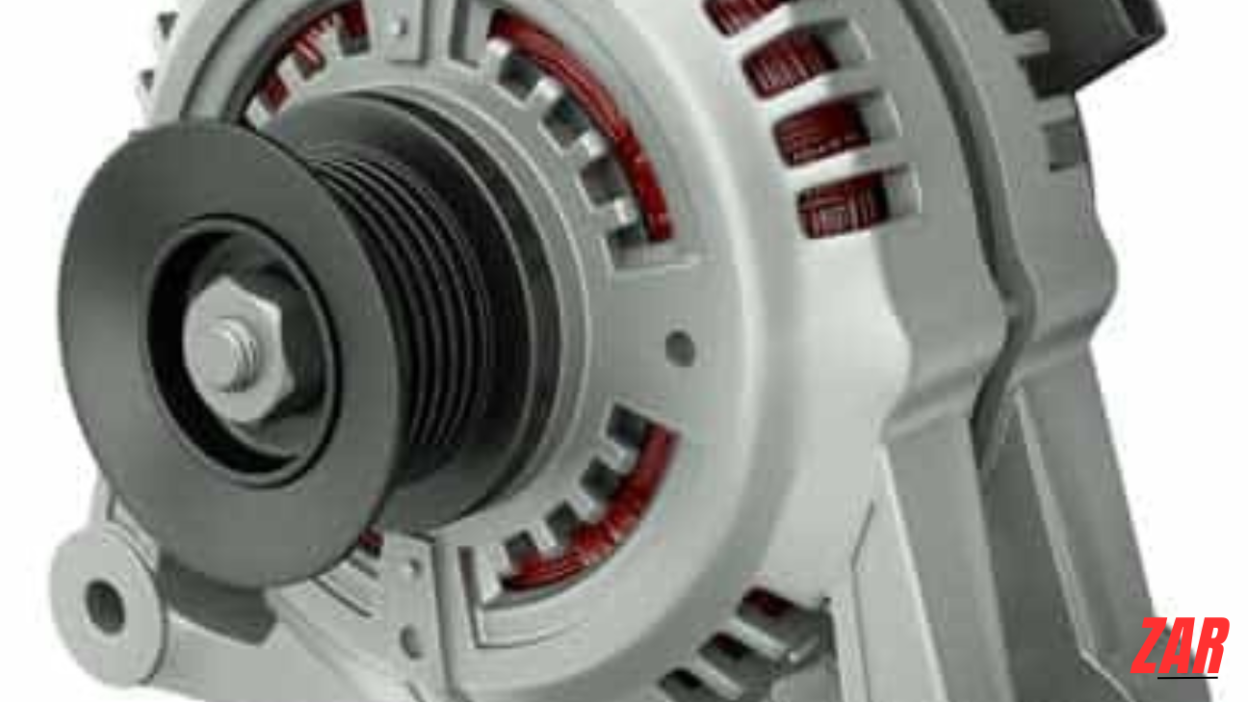
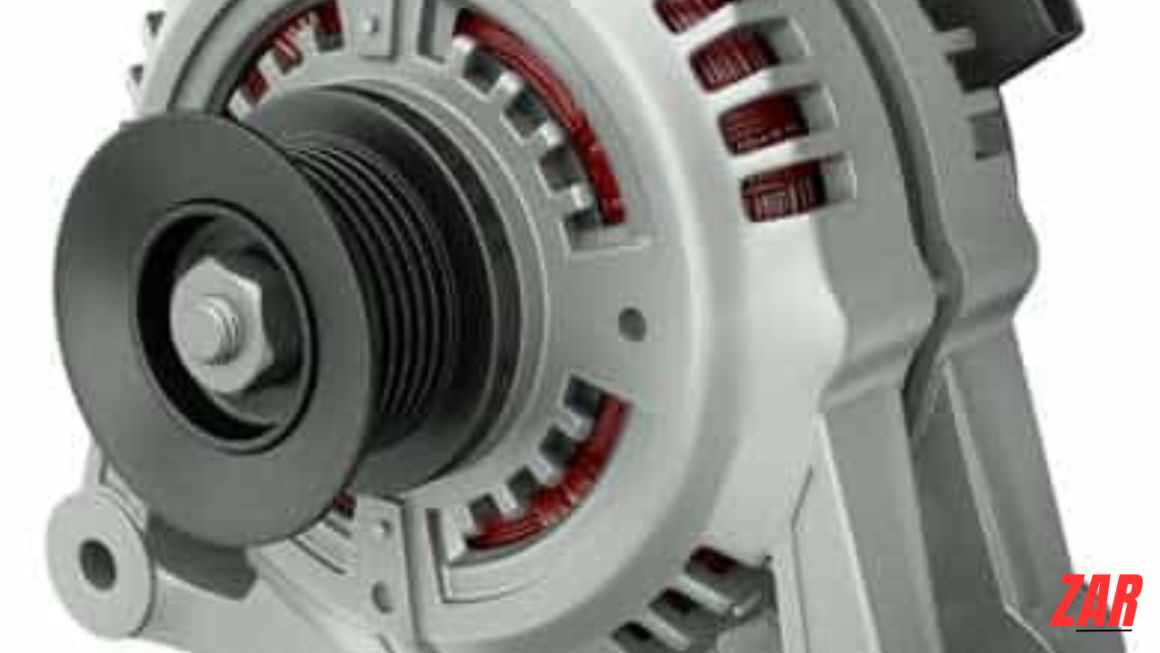
A car alternator is a type of electrical generator that converts mechanical energy from the engine’s rotating crankshaft into alternating current (AC) electricity. Because automotive systems run on direct current (DC), the alternator uses built-in rectifiers to convert that AC output into DC.
Essentially, the alternator serves as the primary power station for your car. Once the engine is running, the alternator takes over the job of providing power to the headlights, infotainment system, air conditioning, and safety sensors. The battery, while essential for the initial crank, acts as a secondary reservoir that the alternator constantly replenishes.
How the Alternator Operates Within the Charging System
The charging system consists of three main components: the battery, the voltage regulator, and the alternator. The process begins when the engine starts, turning the drive belt (also known as the serpentine belt). This belt spins the alternator’s rotor shaft.
Inside the alternator, the rotor spins within a set of stationary wire coils called the stator. This movement creates a magnetic field that induces an electrical current. According to Faraday’s Law of Induction, this changing magnetic field produces electricity.
To ensure the sensitive electronics in modern vehicles aren’t damaged, the voltage regulator monitors the output. It ensures the voltage stays ok within a safe range, typically between 13.5 and 14.5 volts. If the voltage drops too low, the battery won’t charge; if it goes too high, it can fry the car’s computer modules.
Common Symptoms of a Failing Car Alternator
Identifying a failing car alternator early can prevent you from being stranded on the side of the road. Unlike batteries, which often fail suddenly, alternators usually exhibit several “warning shots” before total failure.
1. Dim or Overly Bright Lights
Because the alternator provides the power for your lighting, erratic behavior in the headlights or dashboard lights is a primary indicator of trouble. You may notice your headlights dimming when the car is idling or becoming unusually bright when you rev the engine. This suggests the voltage regulator is failing to maintain a consistent output.
2. Slow or Malfunctioning Accessories
Modern vehicles are packed with power-hungry accessories. If your alternator isn’t producing enough current, the car’s computer will prioritize essential systems (like ignition) over comfort features. You might notice your power windows moving slower than usual, seat heaters failing to get warm, or the infotainment screen flickering intermittently.
3. The Battery Warning Light
The “ALT” or battery-shaped icon on your dashboard is often misunderstood. It does not necessarily mean the battery is bad; rather, it indicates that the system voltage is outside the preset parameters. If this light stays on while driving, it is a clear signal that the car alternator is no longer charging the system effectively.
4. Strange Noises
Alternators contain several moving parts, including bearings. If these bearings wear out, you may hear a high-pitched whining or grinding sound coming from the front of the engine. Additionally, a “chirping” sound often indicates a slipping serpentine belt, which prevents the alternator from spinning at the required speed.
5. The Smell of Burning Rubber or Hot Wires
An alternator that is overworked or has an internal short may emit a pungent odor. This could be the smell of the drive belt slipping on a seized pulley (burning rubber) or the smell of the internal copper wiring getting too hot (an ozone-like electrical smell).
Causes of Alternator Failure
Several factors can lead to the demise of a car alternator. Understanding these can help in preventative diagnosis:
- Age and Wear: Most alternators are designed to last between 100,000 and 150,000 miles. Over time, the internal carbon brushes and copper rings wear down.
- Fluid Leaks: Oil or power steering fluid leaking onto the alternator is a common cause of premature failure. The fluid can gunk up the internal components or cause shorts.
- Excessive Electrical Load: Adding high-powered aftermarket sound systems or off-road lighting can strain an alternator beyond its rated amperage, leading to overheating.
- Environmental Factors: Heat is the enemy of electronics. Driving in extremely hot climates or in stop-and-go traffic where airflow is limited can shorten the alternator’s life.
Is it the Battery or the Alternator?
If your car won’t start, a simple “jump start” can help diagnose the problem.
- Jump-start the vehicle.
- Remove the jumper cables.
- If the engine dies shortly after, the alternator is likely failing because it cannot maintain the engine’s spark.
- If the engine continues to run but refuses to start again later, the battery is likely the culprit, as it is failing to hold the charge the alternator is providing.
For a more precise diagnosis, you can use a multimeter. With the engine running, a healthy charging system should show a reading between 13.5V and 14.7V. Anything below 13V indicates an undercharging car alternator.
Professional Maintenance and Replacement
Replacing an alternator is a standard repair, but it requires precision. It is vital to ensure the serpentine belt is tensioned correctly during the process. According to ASE (Automotive Service Excellence), improper belt tension is one of the leading causes of secondary alternator failure.
When choosing a replacement, you typically have three options:
- New OEM: Best quality and longevity but most expensive.
- Remanufactured: A used core rebuilt with new internal components; often provides a good balance of cost and reliability.
- Aftermarket: Varying quality; essential to check the amperage rating to ensure it matches your vehicle’s specifications.
Conclusion
The car alternator is the heart of your vehicle’s electrical health. By paying attention to the early warning signs such as dimming lights, strange noises, or dashboard warnings you can address issues before they lead to a complete breakdown. Regular inspections of the drive belt and ensuring your engine is free of fluid leaks will go a long way in maximizing the life of this essential component.
If you suspect your charging system is struggling, a quick voltage test at a local service center can provide peace of mind and keep your vehicle’s electronics running smoothly.